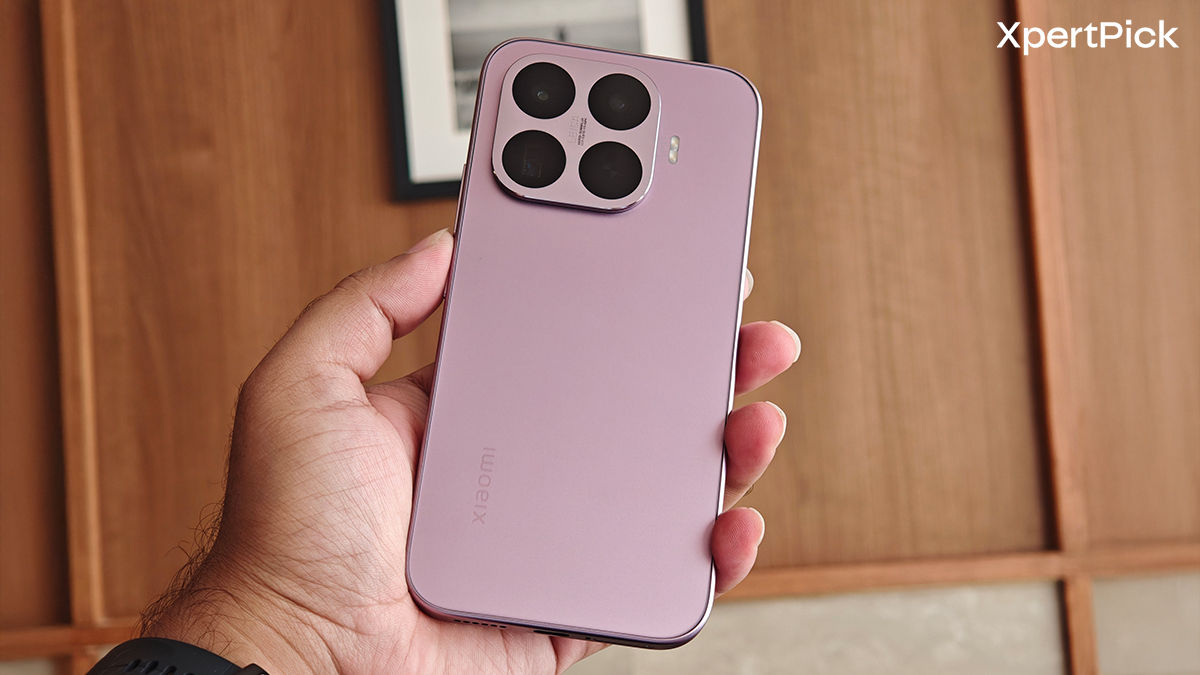
With ongoing component price hikes and RAM shortages, we’ve seen mid-range smartphones creep dangerously close to budget flagship prices. So when Xiaomi announced that the Xiaomi 17T was heading to India, I was half expecting another confusing pricing strategy.
But the Xiaomi 17T surprised me by how close it gets to feeling more premium than its positioning suggests. At Rs 59,999, expectations are naturally high. A phone at this price needs to feel strong in nearly every area. It needs enough horsepower, capable cameras, reliable battery life, a robust design, a solid software experience, and the kind of consistency that makes it feel worth the money. Surprisingly, the Xiaomi 17T delivers on most of those fronts.
Design: Familiar Flagship looks, Less Premium Materials
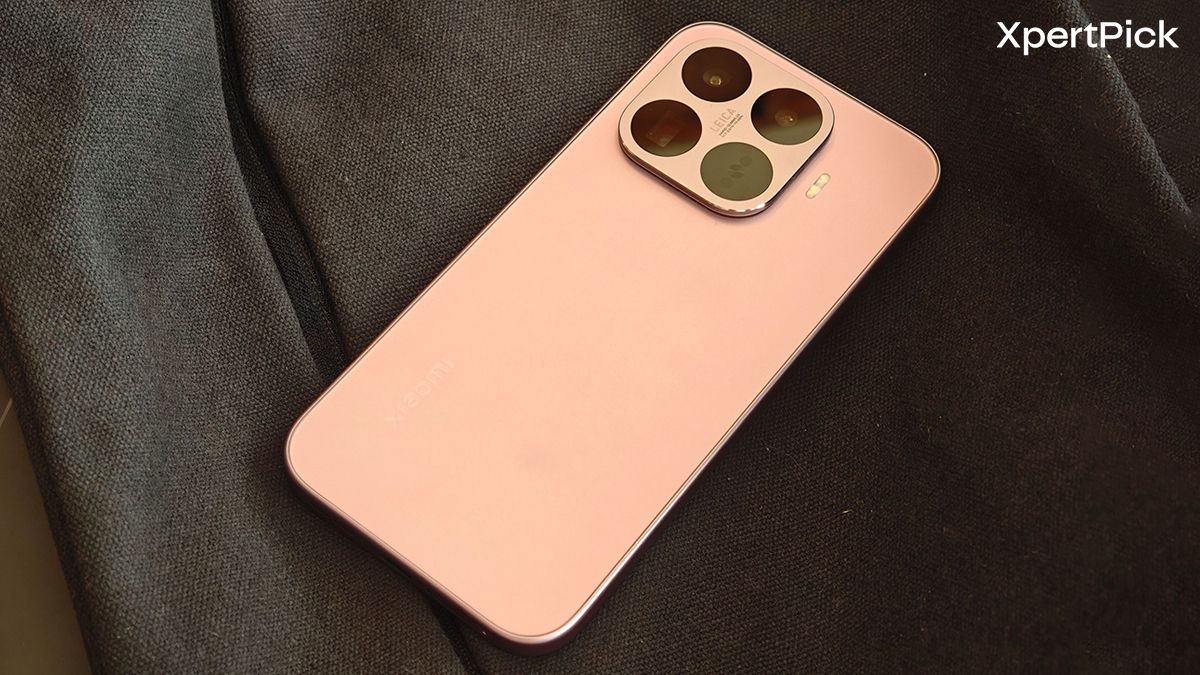
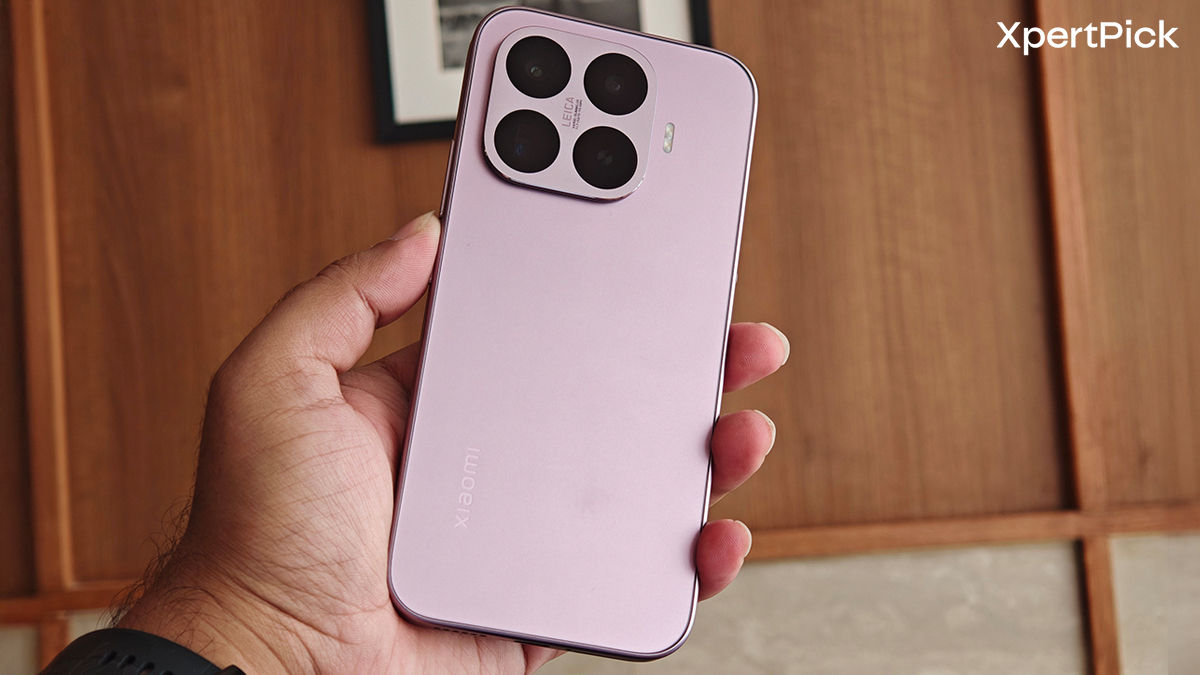
As the name suggests, the Xiaomi 17T looks closely related to the Xiaomi 17. Apart from a few minor differences, the two phones clearly belong to the same family. But Xiaomi couldn’t bring everything that makes the flagship model feel premium to this lower price point without making a few sacrifices, and design is where the first cut shows up.
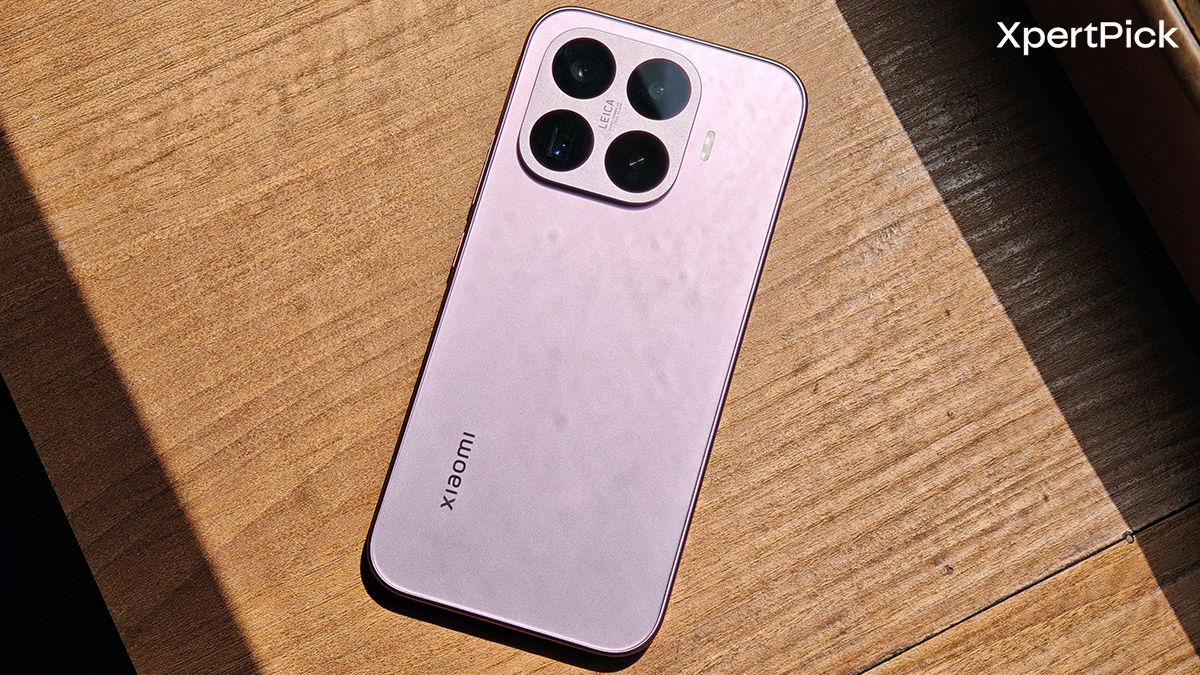
Unlike the Xiaomi 17, the standard Xiaomi 17T uses a plastic frame and rear panel. That means it doesn’t feel quite as premium when you hold it. To be fair, most people are going to put a case on the phone anyway, so this likely won’t matter most of the time. But at ₹59,999, the material choice is still worth pointing out.
Thankfully, the phone itself still feels robust. You get Corning Gorilla Glass 7i protection on the front and back, along with an IP68 rating for water and dust resistance. So while the materials don’t scream flagship, the overall durability is still reassuring.
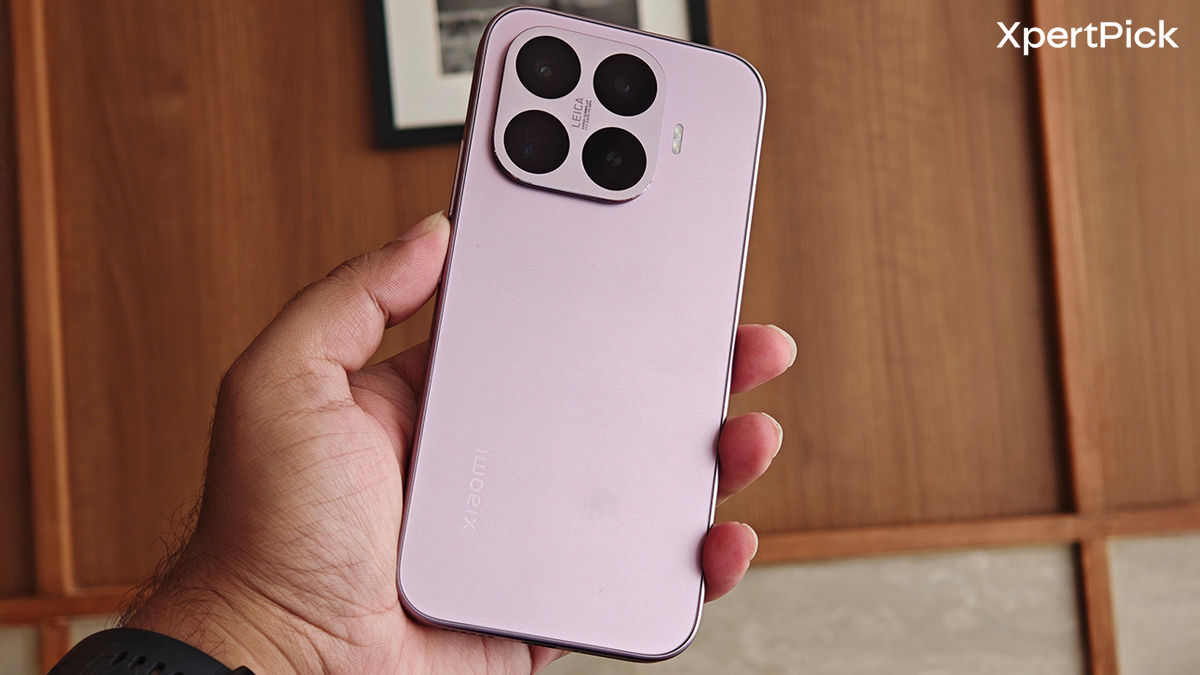
This isn’t exactly a compact flagship, but the 6.59-inch size does make it easier to hold than many large-screen phones in this price range. That said, the 200-gram weight is a little surprising. It isn’t unbearably heavy, but it does get tiring to hold after a while, especially if you’re using it without support for long sessions.
My bigger nitpick is that the design plays things a little too safe. More affordable phones like the Nothing Phone (4a) Pro are far more interesting visually, while the Motorola Signature feels more premium and distinctive with its linen-like finish and sub-7mm body. The Xiaomi 17T looks clean and polished, but it doesn’t have the same sense of identity as some of its rivals.
Display: Nearly Flagship-Grade, but Not Quite All the Way There
On the front, Xiaomi offers a 6.59-inch AMOLED display, which makes the 17T surprisingly manageable for one-handed use. It isn’t as comfortable as a proper 6.3-inch compact phone, but this is probably the next best thing if you still want a bigger screen.
The panel itself is excellent. You get a 1.5K resolution, so text and images look sharp, and the 120Hz refresh rate keeps everything feeling smooth and responsive. With peak brightness going up to 3,500 nits, the Xiaomi 17T doesn’t struggle outdoors either. Even under harsh sunlight, the screen remains easy to read.
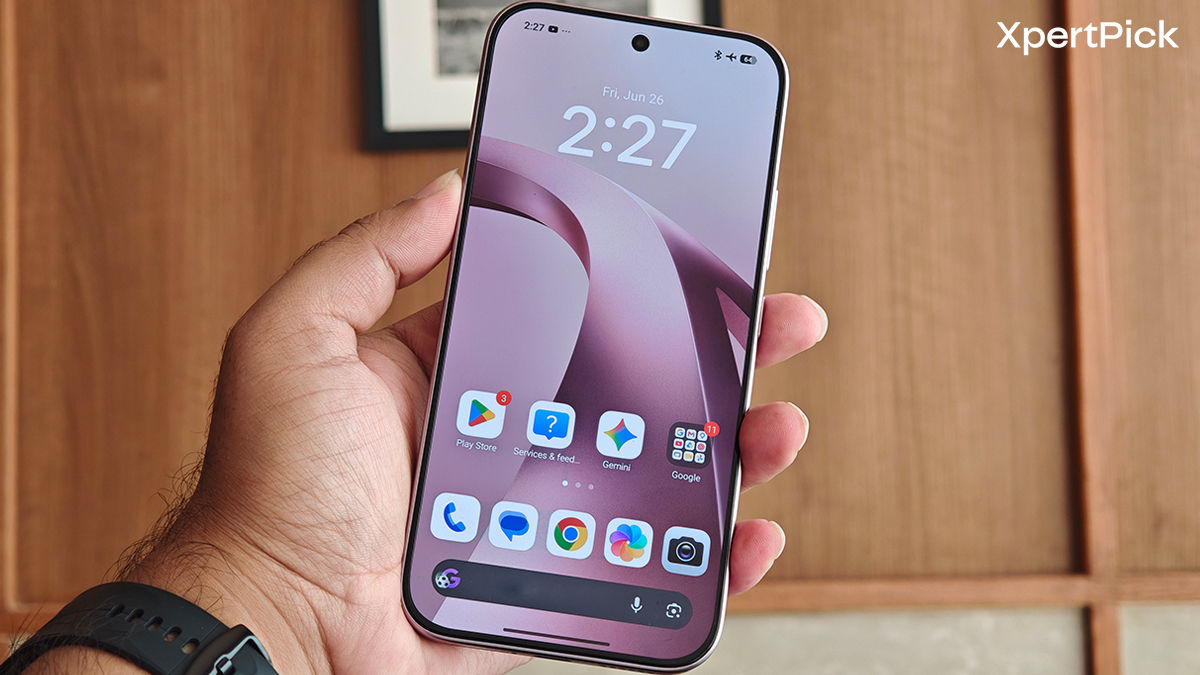
Xiaomi also includes eye protection features like 3840Hz high-frequency PWM dimming and DC dimming, which should help if you’re sensitive to screen flicker. The display also supports Dolby Vision, so HDR content looks great, with punchy colours, strong contrast, and proper blacks.
The only big missing spec is LTPO support. At this price, a variable refresh rate panel would have made the package feel more complete, especially since phones like the Motorola Signature offer a more premium display setup. The in-display fingerprint scanner is another small annoyance. It is placed too low on the screen, and since it’s an optical sensor rather than an ultrasonic one, it can flash a little too brightly at night.
Even with those complaints, this is still one of the stronger displays around this price. It feels sharp, bright, vibrant, and premium enough for daily use.
Performance: Don’t Expect Flagship-level Performance
The Xiaomi 17T might not be the fastest phone in its price range, but it holds its own with the MediaTek Dimensity 8500 Ultra. My review unit also came with a healthy 12GB of LPDDR5X RAM and 512GB of UFS 4.1 storage.
Benchmarks
- AnTuTu – 2,155,265
- Geekbench – 1,731 (single) / 6,954 (multi)
- PCMark (10-15 mins) – 14,833
- CPU Throttling – 81%
In everyday use, you’ll barely notice any major difference between this and more expensive flagships. The phone always felt smooth during my time with it. App launches were quick, multitasking felt responsive, and I didn’t run into micro-stutters during regular use.
But the benchmark scores make Xiaomi’s priorities clear. This isn’t trying to be a raw-performance monster. It is a rounded sub-flagship, and that means it gets outpaced by some devices in the same price bracket, or even slightly cheaper ones.
The Motorola Signature and OnePlus 15R are both good examples. Both use the Snapdragon 8 Gen 5, and both clearly pull ahead of the Xiaomi 17T in raw performance. The POCO X8 Pro Max also makes the value equation tricky if your main focus is gaming and power, since it delivers much stronger numbers at a lower price.
Gaming follows the same pattern. BGMI on the lowest settings averaged around 88.2fps, with 5% lows dropping to 71.5fps. Minecraft at the highest settings managed an average of 56.5fps. Genshin Impact also hovered around a similar average, but the 5% lows dipped below 30fps, so occasional jitters do show up during busier moments. Asphalt 9 averaged around 57fps but could fall below 40fps during heavier scenes.
None of this makes the Xiaomi 17T bad for gaming. You can absolutely play casually and have a good time. But if you only care about the best possible frame rates, the OnePlus 15R and POCO X8 Pro Max are stronger picks. Xiaomi’s phone is fast, but performance is not its main argument.
Battery Life: Decent Endurance Thanks to a Big Cell
In the past, smaller phones usually had to make a major trade-off with battery capacity. That often hurts day-to-day endurance. The Xiaomi 17T avoids that problem with a large 6,500mAh battery, which is impressive for a phone that still feels relatively manageable in the hand.
On paper, that battery size even beats massive flagships like the Galaxy S26 Ultra. Of course, Chinese brands have become very aggressive with silicon-carbon batteries, so the Xiaomi 17T isn’t alone here. Still, it is a strong number.
The actual endurance is good, but not outstanding. In the PCMark battery test, the Xiaomi 17T managed 13 hours and 25 minutes, which is lower than I expected from a 6,500mAh phone. We’ve seen devices with similar capacities get close to or cross the 20-hour mark. The Vivo V70 is a good example of a phone that does more with a similarly large battery.
Real-world use was much better than the test score suggests. With mixed use that included some gaming, plenty of camera use, and the usual social media scrolling, the Xiaomi 17T easily lasted me through a full day with charge left to spare. With light to moderate use, I was seeing around 7 hours of screen-on time. So endurance isn’t a problem. It just isn’t quite the standout I hoped for, considering the size of the battery.
Camera: Leica Experience Makes For a Great Experience
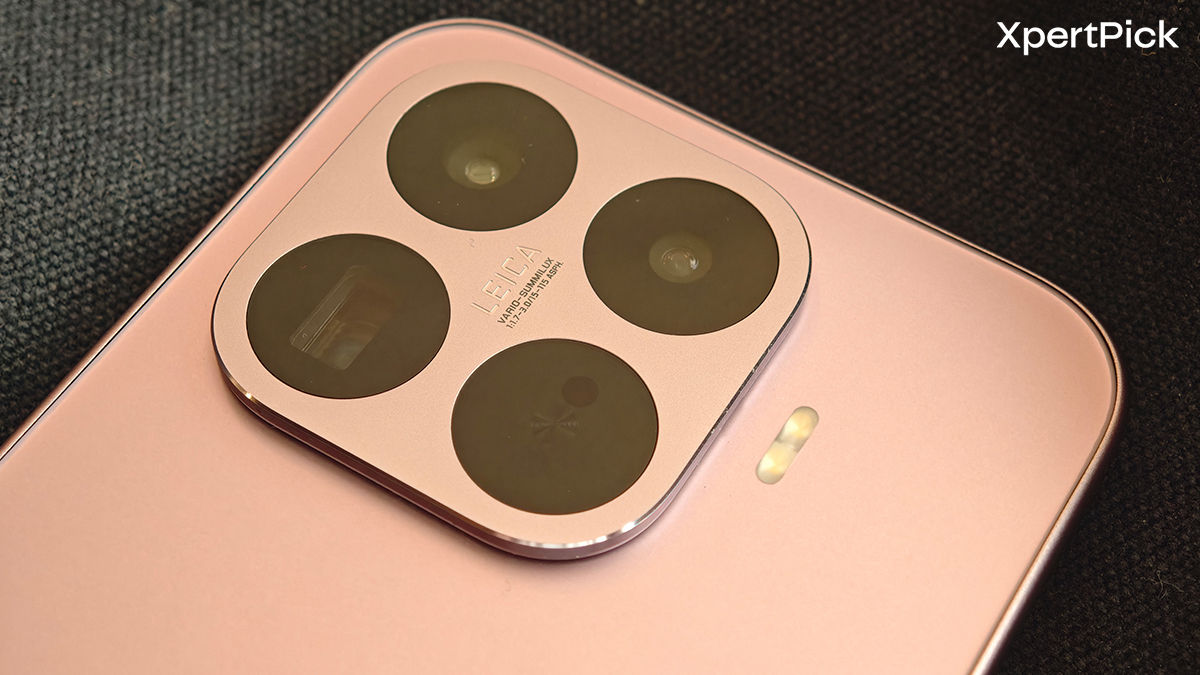
The camera experience is the strongest reason to care about the Xiaomi 17T. Xiaomi has clearly tried to bring the Leica camera feel to a more accessible package, without pushing buyers all the way into ultra-premium territory. The Leica collaboration is usually reserved for Xiaomi’s more expensive flagships, and that is what makes the 17T interesting.
Camera hardware
- 50MP 1/1.55″ Light Fusion 800 main sensor (f/1.7 aperture, OIS, PDAF)
- 12MP 1/3” OmniVision OV13B ultra wide angle lens (f/3.0, PDAF)
- 50MP 1/2.76” Samsung JN5 periscope telephoto shooter (f/2.2, 5x optical zoom, OIS)
- 50MP 1/3.42” Samsung KDS selfie camera (f/2.2)
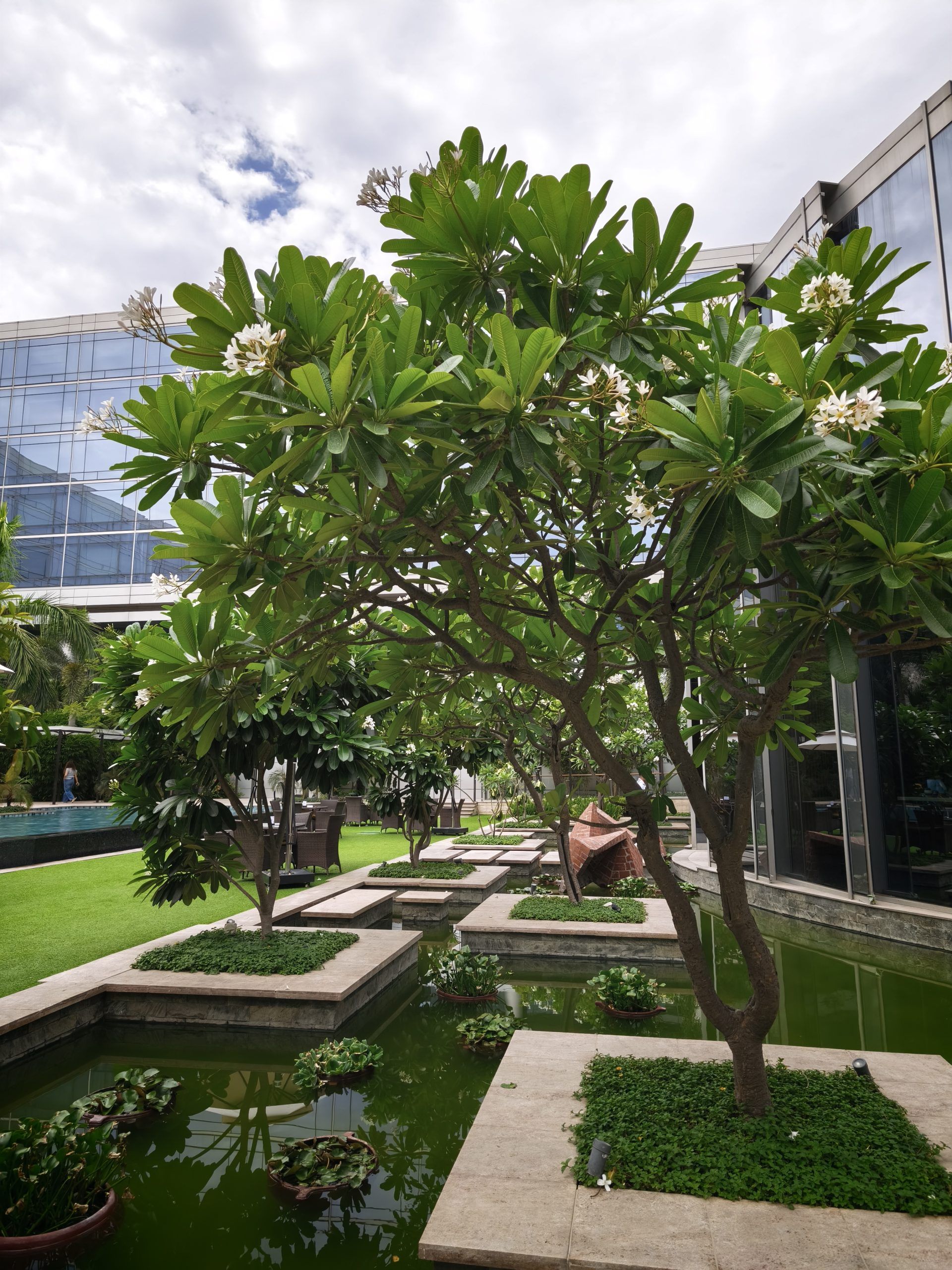
In proper daylight, the Xiaomi 17T’s main camera takes excellent shots. Images aren’t always realistic, but a lot of people will love the vivid look you get from Leica Vibrant. If you want something more muted and contrast-heavy, Leica Authentic is also available. Details are sharp, textures look good, and the photos have a bit more character than the usual point-and-shoot output.
That Leica tuning is the real highlight here. This isn’t just a solid camera system. The pictures have personality. While some brands chase accurate colours and others go after a social media-ready look, the Xiaomi 17T stands out with a moodier Leica style, especially in Authentic mode. The slight vignetting, added contrast, and richer tones make photos feel more intentional.







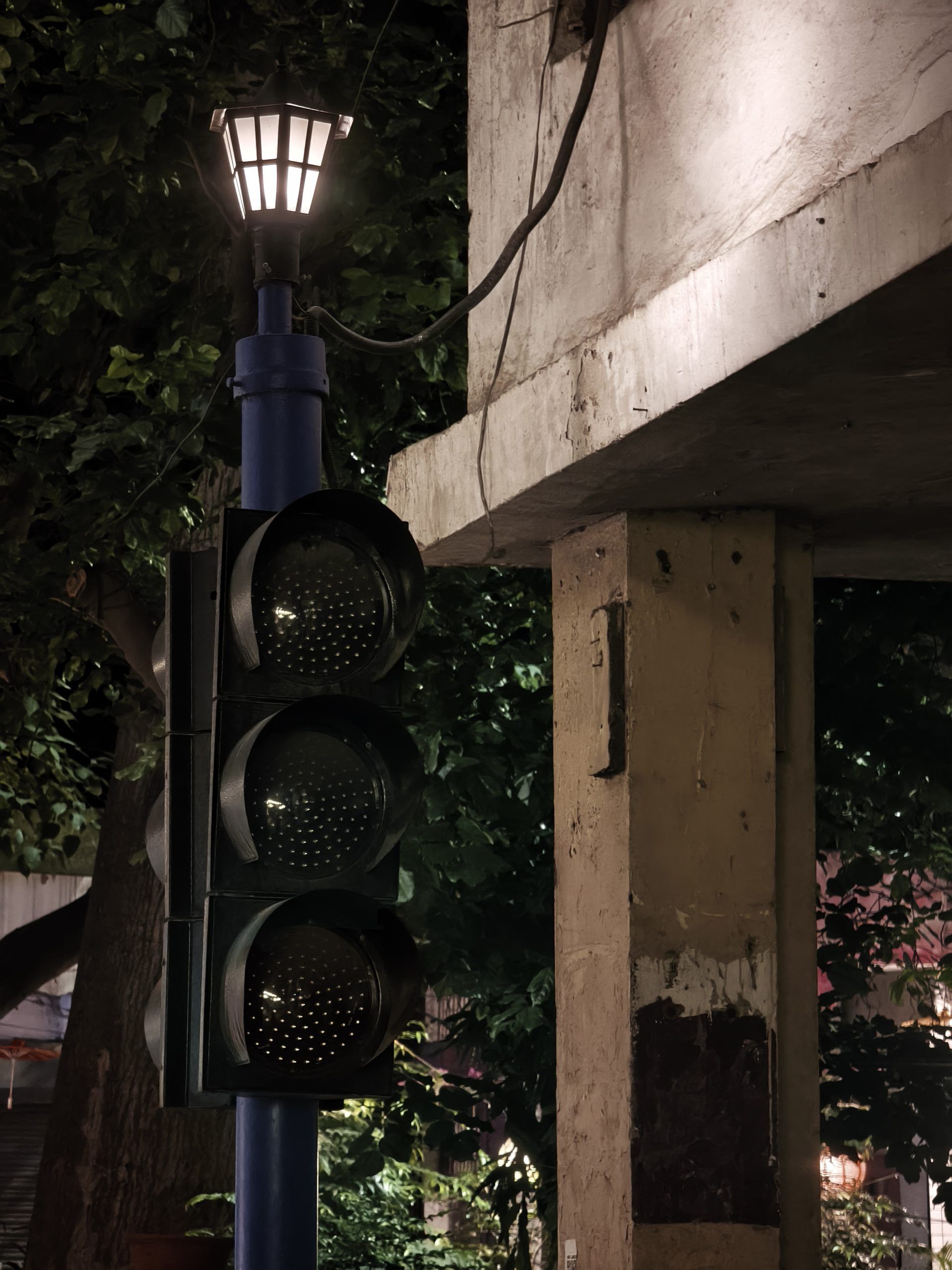
The main camera also does well in the evening. It doesn’t overexpose the scene or destroy noise aggressively, and artificial light sources are handled well. You still get a fair amount of detail indoors, though zooming in reveals some artificial sharpening. This becomes especially noticeable in 2x digital zoom shots.
Zoom photography is where the Xiaomi 17T really starts to separate itself. It is one of the few phones in this segment with a 5x optical zoom camera, and that changes how you shoot. A lower magnification is usually more versatile for portraits, but after using this phone for a few weeks, I started enjoying the longer focal length. Shooting from farther away gives street scenes, signs, buildings, and portraits a different, compressed look. Random streets suddenly start feeling like potential frames.






The 5x telephoto was easily one of my favourite parts of the phone. Daylight shots look sharp, and the longer focal length makes it genuinely fun for street photography. There is a slight shift in colour tone compared to the main camera, but the results are still strong. At night, it becomes more of a mixed bag. The telephoto still does a good job most of the time, but sharpening gets heavier, and even with OIS, you need steady hands to avoid shaky results in the evening.
The ultra-wide is unsurprisingly the weakest of the three rear cameras. It has the smallest sensor and only a 12MP effective resolution. In daylight, it can take nice-looking shots with decent sharpness and vibrant colours. Dynamic range is handled well enough too. But the usual lens distortion and soft edges are still present, and low-light performance is inconsistent. In proper night scenes, noise becomes much more visible.





Selfies aren’t a major strength either. The front camera takes decent pictures with reliable detail and fairly natural colour tones, but the lack of autofocus hurts, especially in less-than-ideal lighting.
Video recording is good, but not perfect. The main camera gives you the best results, with warm colours, good detail, and strong contrast. The telephoto is also sharp, but panning introduces visible jitters. The ultra-wide sees the biggest drop in quality, especially in low light.
Compared to camera-centric sub-flagships and even some flagships, the Xiaomi 17T holds its own surprisingly well. The Motorola Signature has stronger hardware polish and a more premium overall package, while the Oppo Reno 15 Pro Mini is another strong camera-focused alternative around the same price. The Vivo V70 still has a more refined portrait-focused experience, and the Vivo X300 FE gives you a more compact premium camera phone if you can stretch the budget. But at Rs 59,999, the Xiaomi 17T gives you a near-flagship Leica camera experience without making you spend flagship money.
Software: HyperOS 3 is Smooth, Snappy, and Highly Customisable
The Xiaomi 17T runs Android 16-based HyperOS 3 out of the box, and the experience is very familiar if you’ve used a recent Xiaomi, Redmi, or POCO phone. In fact, coming from the POCO X8 Pro Max, this felt immediately recognisable. The basics are the same. You get a fast interface, deep customisation, plenty of iOS inspiration, and a software skin that is powerful but not always the cleanest.
HyperOS 3 looks smoother and more polished than earlier Xiaomi skins. Animations are fluid, app switching feels quick, and the overall responsiveness works well with the 120Hz display. You also get Xiaomi’s Super Island, which is basically its take on Apple’s Dynamic Island, offering contextual information and quick access to some background activities.
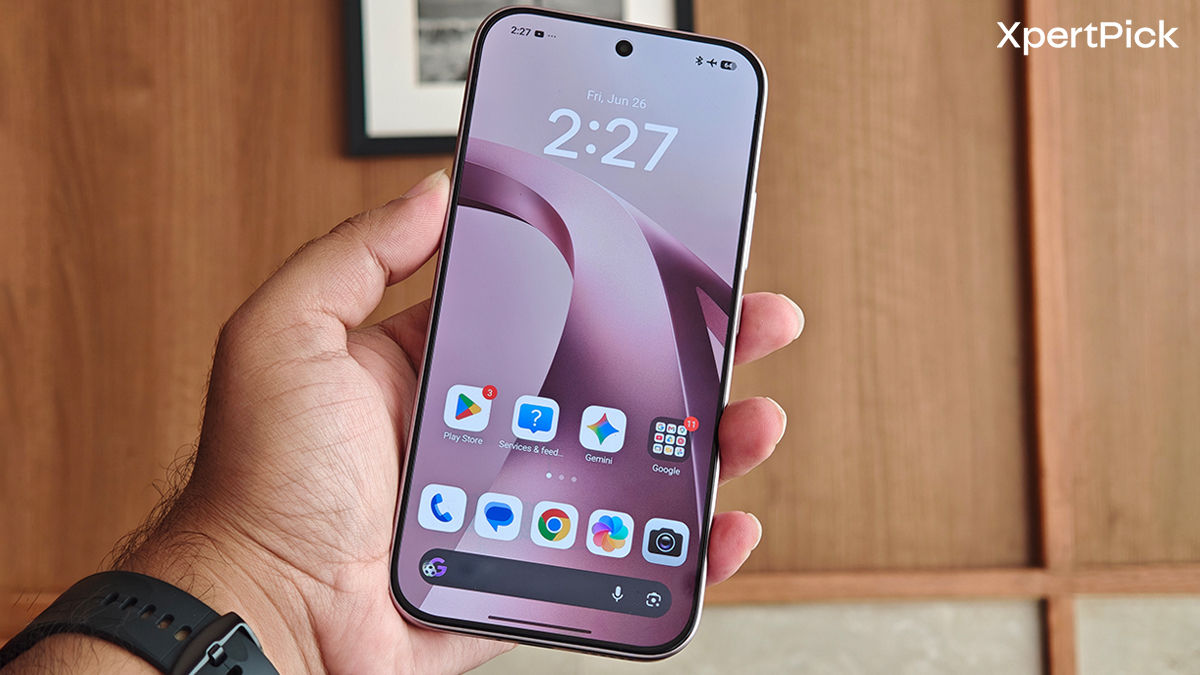
Customisation remains one of HyperOS’ strengths. You can tweak the lock screen, icons, wallpapers, fingerprint effects, charging animations, and plenty of other interface elements. If you like making your phone feel personal, Xiaomi still gives you a lot to play with.
The AI feature set is also fairly broad. You get writing assistance, translation, speech recognition, call transcription, AI wallpapers, object erasing, image expansion, and tools that can create short clips from photos. Most of these features are not revolutionary, but they are useful enough and don’t feel too intrusive.
Xiaomi has also improved ecosystem features, including better connectivity with iPhones and support for Apple accessories like AirPods. That’s a smart move, especially in India, where a lot of users mix Android phones with Apple accessories.
But this is still HyperOS, and that means the familiar annoyances remain. There are preloaded apps, Xiaomi’s own duplicate apps, GetApps, and a general sense that the software could be cleaner. Compared to ColorOS on Oppo phones or OxygenOS on OnePlus devices, HyperOS still doesn’t feel quite as refined or coherent. It is fast and feature-packed, but it can still feel a little busy.
The good news is that long-term support is solid, with Xiaomi promising five years of major OS upgrades and six years of security updates. That helps the 17T feel like a safer long-term purchase. I just wish Xiaomi would use some of that maturity to clean up the out-of-the-box experience a little more.
Verdict
The Xiaomi 17T is one of those phones that makes a lot more sense once you understand what Xiaomi was trying to do. At Rs 59,999, it isn’t the fastest phone in its class, and it doesn’t have the most premium build either. The Motorola Signature and OnePlus 15R are both better picks if raw performance matters more to you, while the Signature also feels more premium in the hand. But the Xiaomi 17T fights back with a large battery, long software support, and most importantly, a Leica-tuned camera system that feels genuinely fun to use. The 5x telephoto camera gives it a kind of versatility that is still rare at this price, and that alone gives the phone a strong identity.
So, should you buy the Xiaomi 17T? Yes, if cameras matter more to you than benchmark scores. It is not the obvious gaming pick, and buyers who want the cleanest software experience may still prefer OnePlus or Oppo. But if you want a camera-focused phone, this is one of the strongest options right now. The Motorola Signature is worth considering if you want better performance, a slimmer, premium design, and strong cameras. The Oppo Reno 15 Pro Mini is another excellent alternative if you want a compact camera-first phone with a stronger selfie and video focus. But if the Leica look, 5x zoom, and a rounded sub-flagship experience sound appealing, the Xiaomi 17T makes a very convincing case for itself.
Pros
- Excellent Leica-tuned camera experience
- 5x optical zoom is genuinely useful
- Bright and sharp AMOLED display
- Large battery with reliable endurance
- IP68 rating and Gorilla Glass 7i protection
- Five major OS updates and six years of security support
Cons
- Plastic build feels less premium at this price
- Not the fastest phone around Rs 60,000
- Ultra-wide camera and selfie camera are average
- HyperOS still has bloat and duplicate apps
- Optical fingerprint scanner feels like a miss