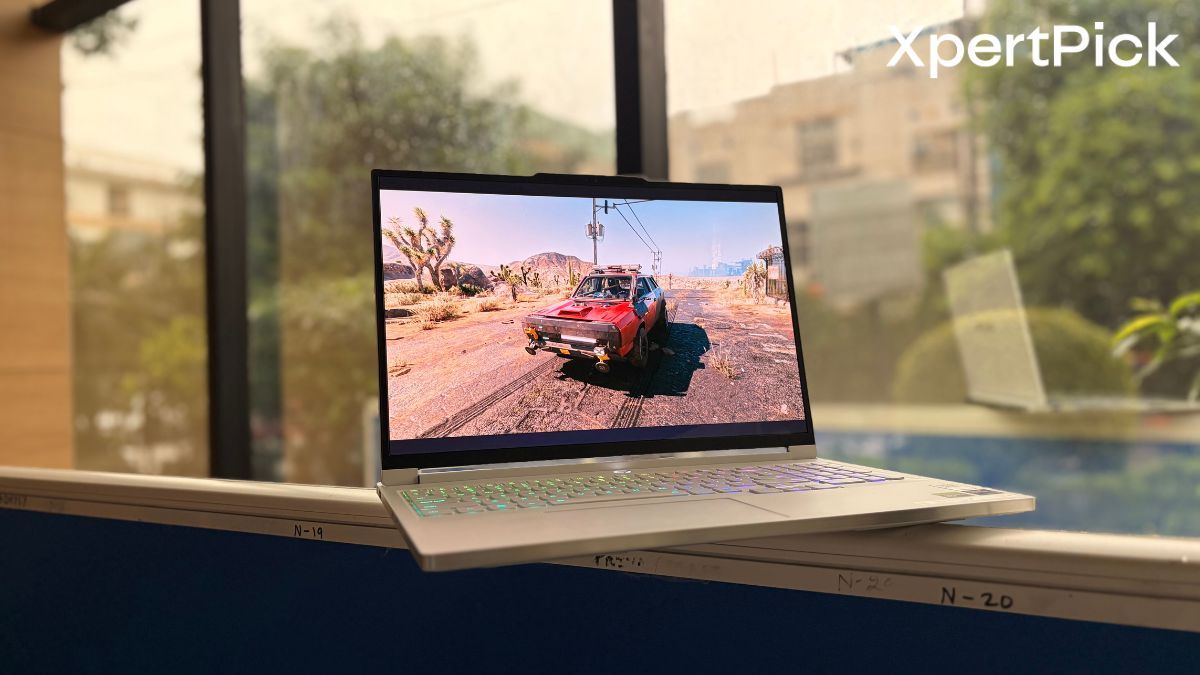
NVIDIA’s DLSS 4.5 update introduces a new second-generation Transformer model to Ray Reconstruction, promising improved visual fidelity in ray-traced and path-traced titles without compromising performance. Compared with its predecessor, the upgraded model features 20% more parameters and 35% higher compute capability, with NVIDIA highlighting improvements to fine detail, lighting accuracy and temporal stability.
To evaluate these claims, I tested the new Ray Reconstruction model in Cyberpunk 2077 with Path Tracing enabled, directly comparing NVIDIA’s new Preset F with the previous implementation, Preset D. The objective was straightforward: determine whether the new model delivers a visibly cleaner and more stable image in motion while maintaining the expected performance parity on RTX 50-series hardware.
Path Tracing Ray Construction Testing Device and Condition
The test system used for this comparison is a Lenovo Legion 7 configured with:
Processor: Intel Core Ultra 9 275HX
Memory: 32GB DDR5 (5600 MT/s)
Graphics: NVIDIA GeForce RTX 5070 Laptop GPU (8GB GDDR7, 115W TGP)
To get the doubt of performance loss out of the way, I first tested whether the new Preset F causes any noticeable or negligible drop in performance. Here are the following graphical settings I used.
- Resolution Scaling: DLSS Super Resolution
- DLSS Super Resolution Preset: Transformer Model
- DLSS Super Resolution: Quality
- DLSS Sharpness: 0
- DLSS Frame Generation: Off
- Texture Quality: High
- Ray Tracing: Off
- Path Tracing: On
- Crowd Density: Medium
- Overall Graphics Quality: High
- Internal Resolution: 1920 × 1200
- Windowed Mode: Full Screen
DLSS 4.5 Ray Reconstruction FPS Test: Path Tracing Performance Compared
To verify whether the heavier 2nd Gen Transformer model introduces any performance penalty, I ran multiple benchmark passes comparing Preset F against the older model:
| Mode | Average FPS | Variance Range |
|
DLSS 4.5 Ray Reconstruction (Preset F)
|
35.80 FPS | 32 – 36 FPS |
|
DLSS 4.0 Ray Reconstruction (Preset D)
|
34.17 FPS | 32 – 35 FPS |
The slight frame rate difference falls well within standard run-to-run margin of error. Performance parity holds true, confirming that Preset F delivers its architectural upgrades without degrading frame rates on RTX 50-series silicon.
Testing Methodology
For this comparison, I used the same Lenovo Legion 7 system and kept the in-game graphics settings identical across both runs. I tested Cyberpunk 2077 with Path Tracing enabled and compared the previous Ray Reconstruction implementation against the new second-generation Transformer model using Preset F. I disabled Frame Generation to measure the performance impact of Ray Reconstruction itself rather than introducing another variable into the results.
For the image-quality comparison, I captured the same scenes under identical conditions and examined differences in lighting, shadows, reflections, fine details and image noise. I tested both daytime and nighttime scenes to see how the two Ray Reconstruction models handled different lighting conditions and looked for changes that remained visible across multiple areas of the game.
For performance, I ran multiple benchmark passes with both Ray Reconstruction configurations and compared their average frame rates. The final figures reported below represent the average results from these runs rather than a single benchmark pass.
DLSS 4.5 Ray Reconstruction Image Quality Test
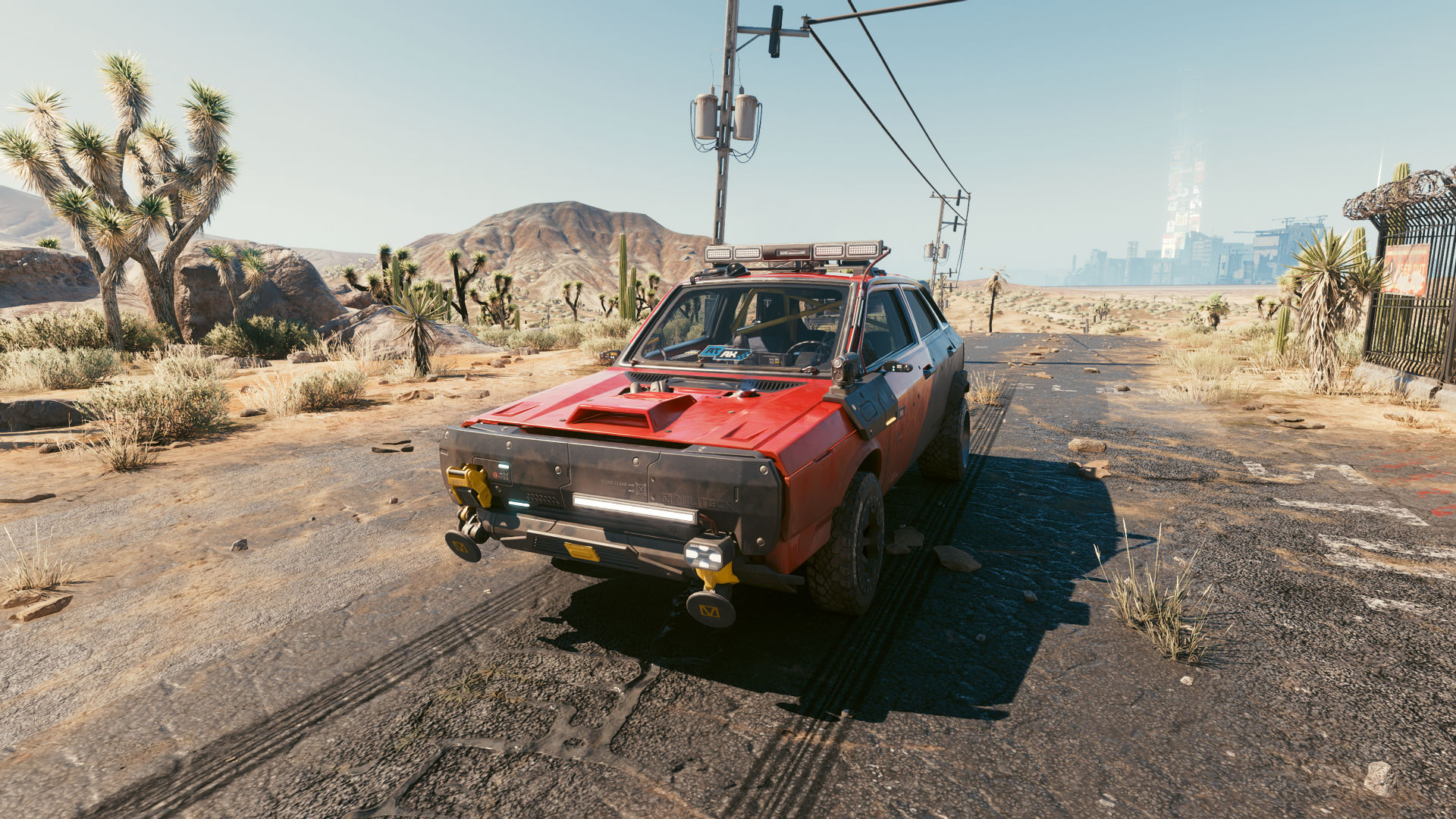
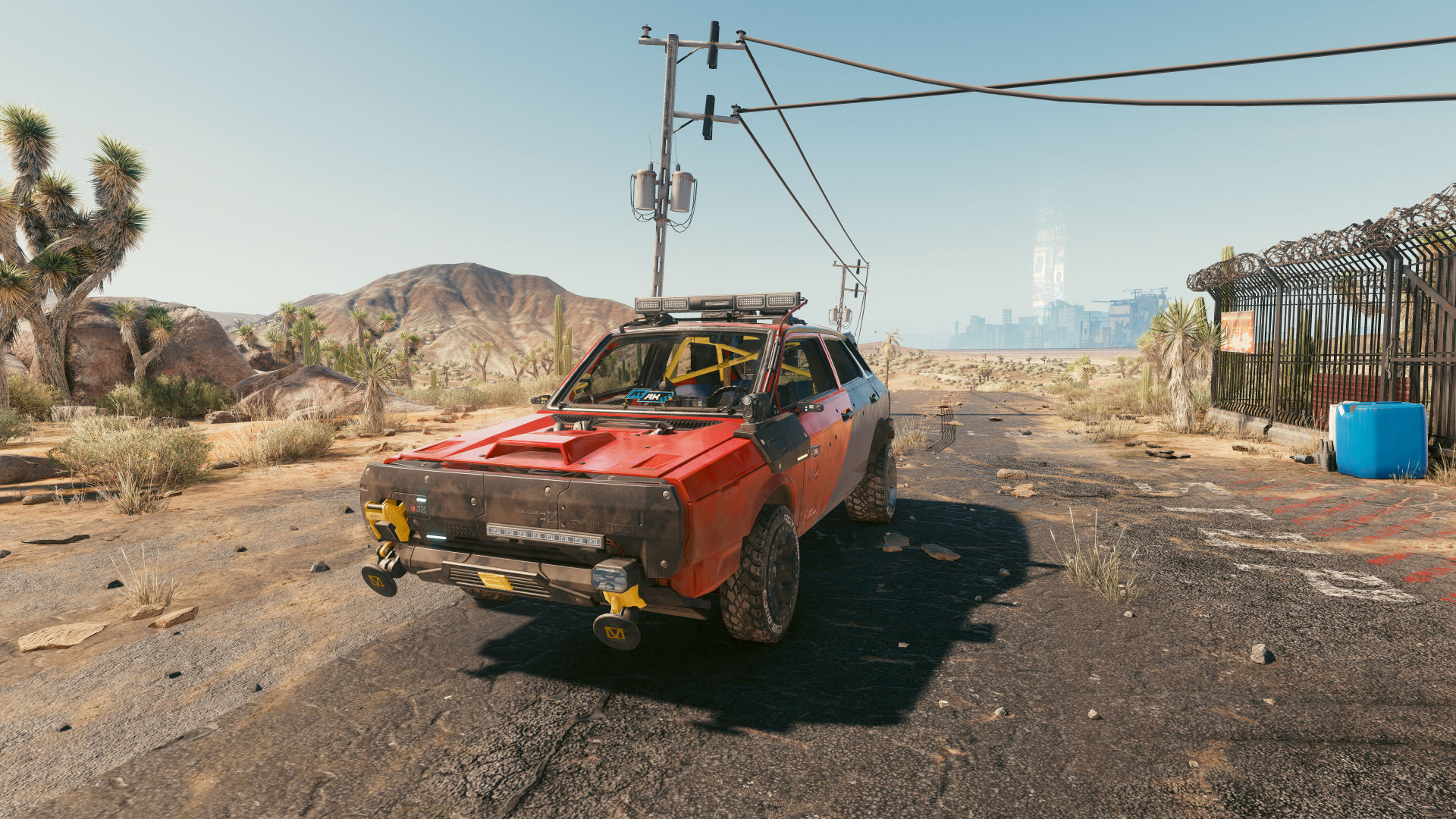
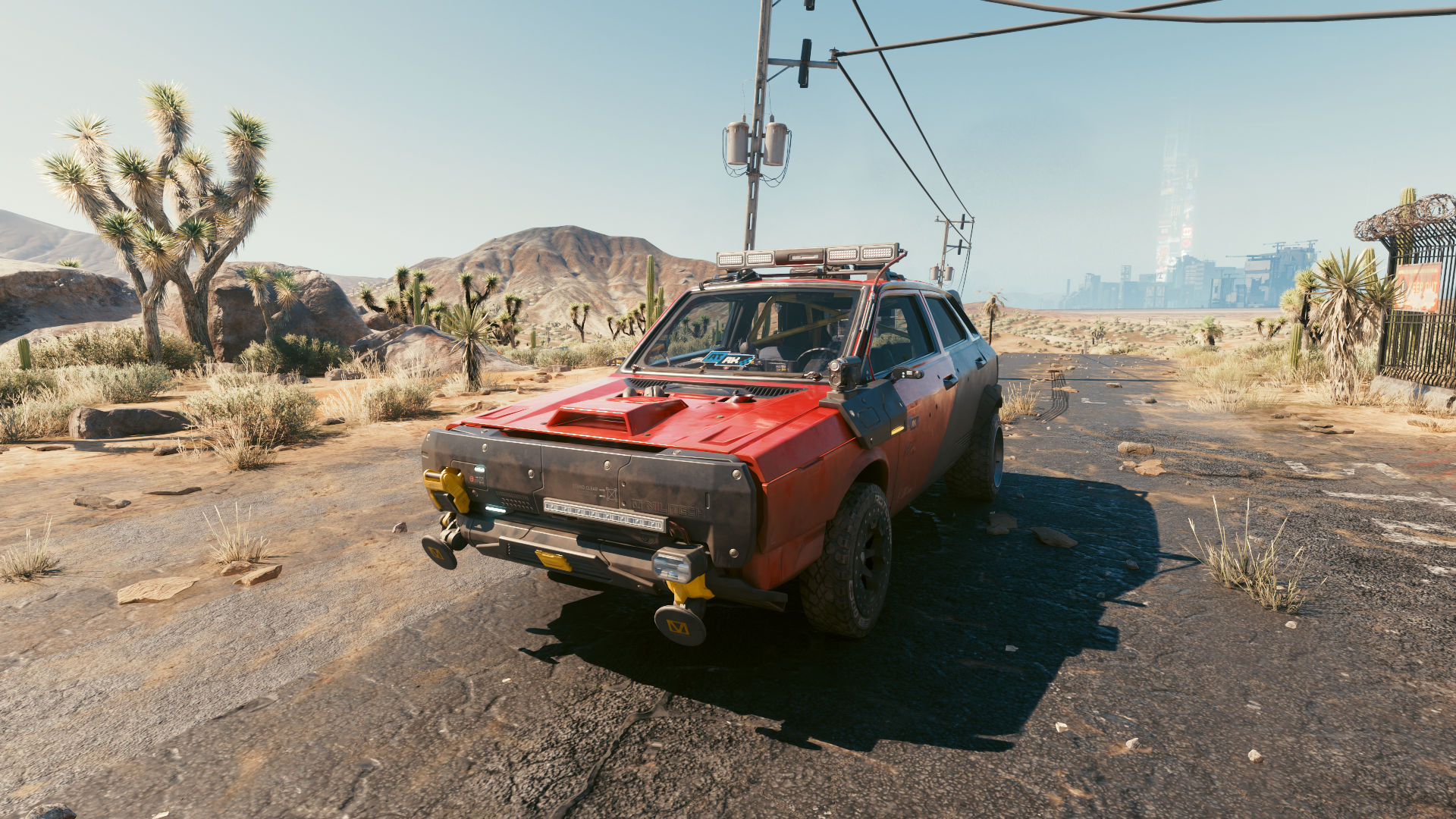
My main objective was to accurately measure lighting performance across different scenarios. I started with the opening area of Cyberpunk 2077, in the desert region on the outskirts of Night City, where there is plenty of sunlight and harsh shadows.
I tested three lighting modes: Ray Tracing, Path Tracing, and Path Tracing with Ray Reconstruction, along with Preset F.
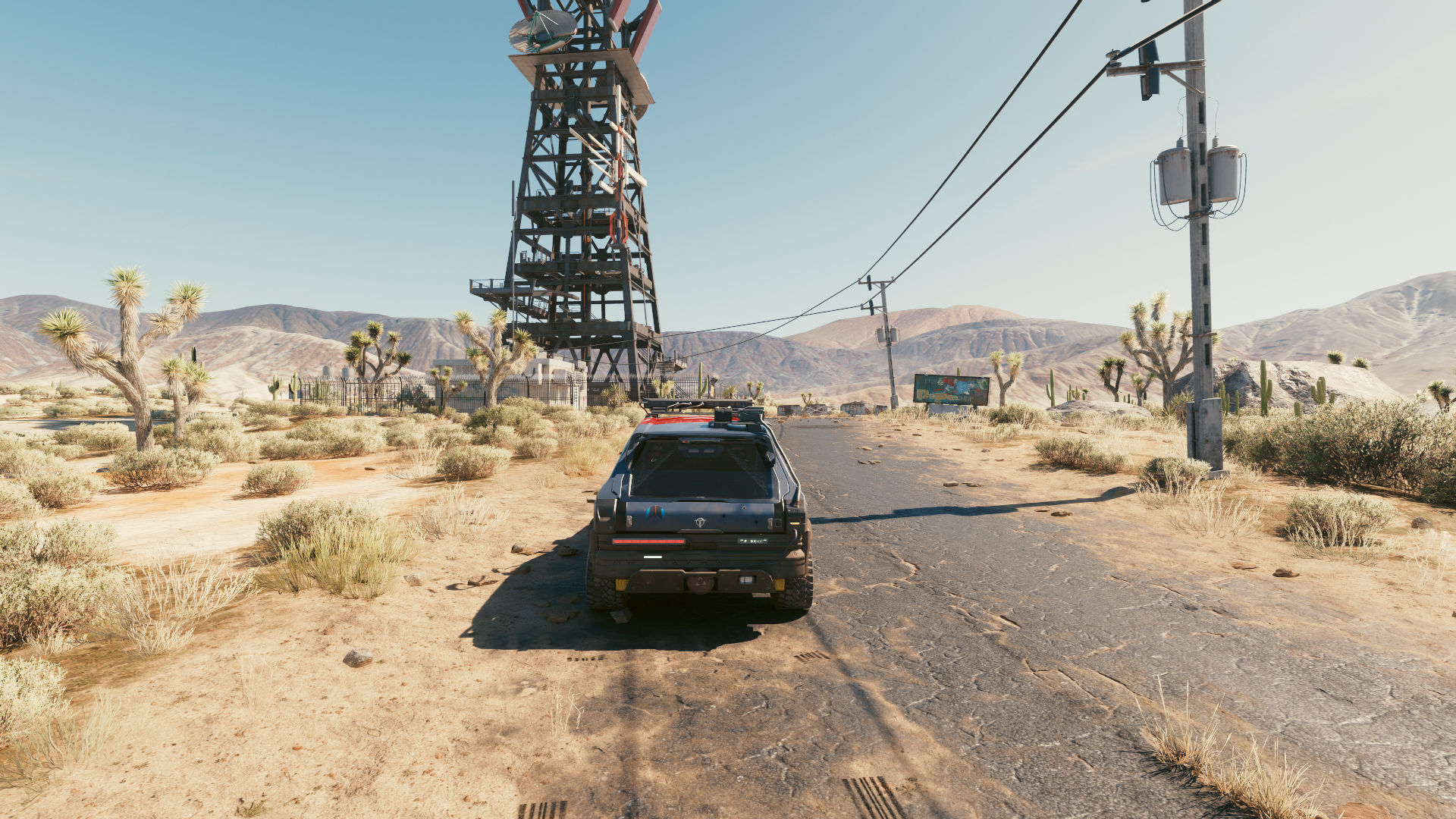
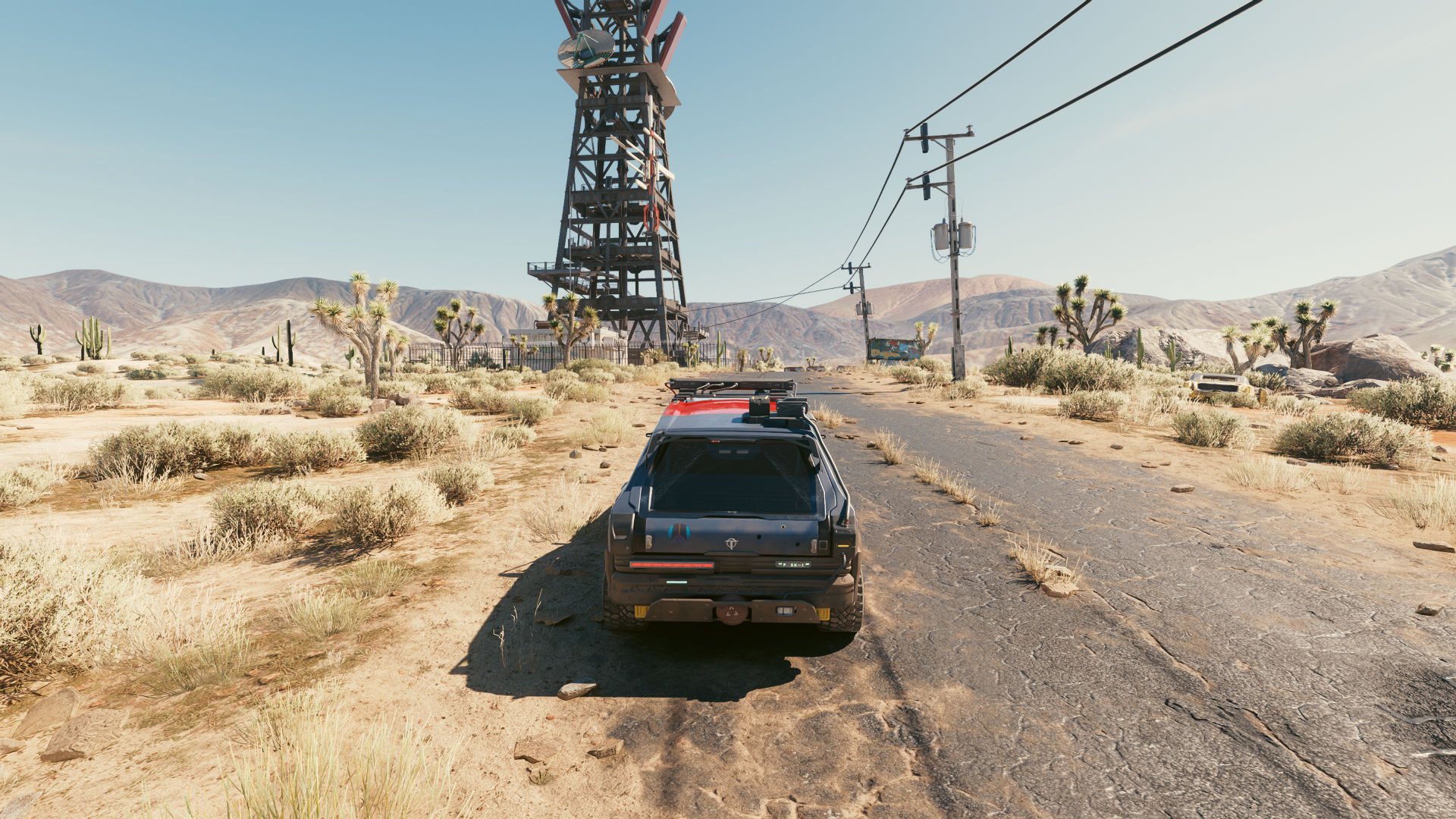
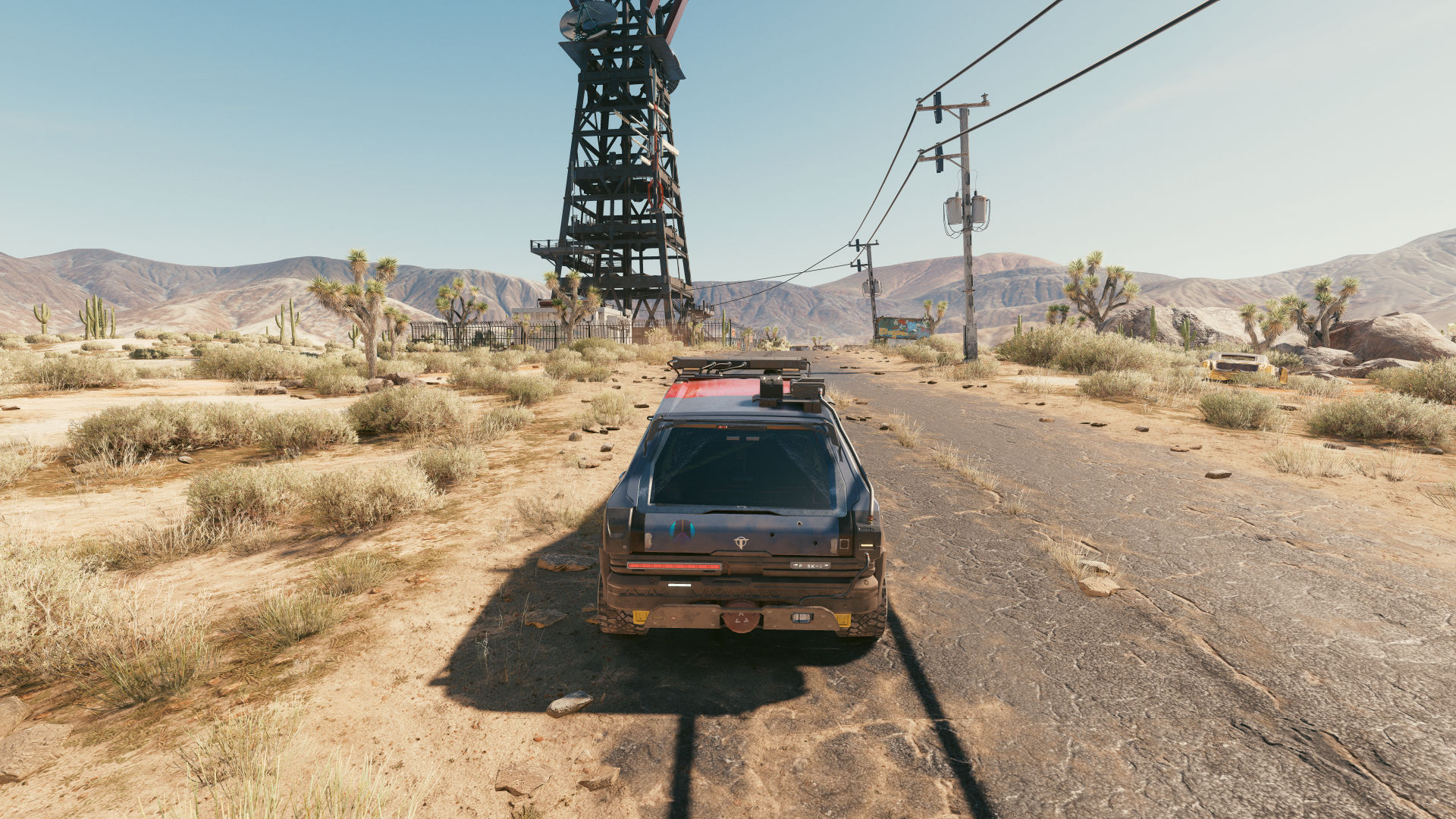
The most immediate change visible across all three images is that, with each subsequent setting, the shadows become progressively sharper. The car’s shadow looks more prominent, with a darker shade and clearly defined edges.
Moreover, the lighting on the surrounding vegetation is also strongest with Preset F. Another notable difference is that the car’s shadow more clearly reflects the shape of the bumper and other exterior parts of the car on the ground when Preset F is enabled.
Another notable change is that the new update now illuminates areas that previously remained much darker. This is particularly visible around the tyres, which are more clearly illuminated with Preset F than with standard Path Tracing. By comparison, the Ray Tracing mode looks considerably less illuminated.
In the next batch of photos, where we have more of a landscape scene and can see V’s car baking in the open sun, the shadows again look much sharper, while the sunlight reflection on the hood is more pronounced with Preset F enabled.
The scene with the new update enabled is simply more lit up. The overall image also looks warmer, which is closer to how such a scene would appear in real life. The sky, vegetation, and surrounding landscape are all better illuminated, giving the scene a warmer tone. Because more of the scene is illuminated, a larger area of the road is visible, showcasing more detail and resulting in a sharper-looking image.
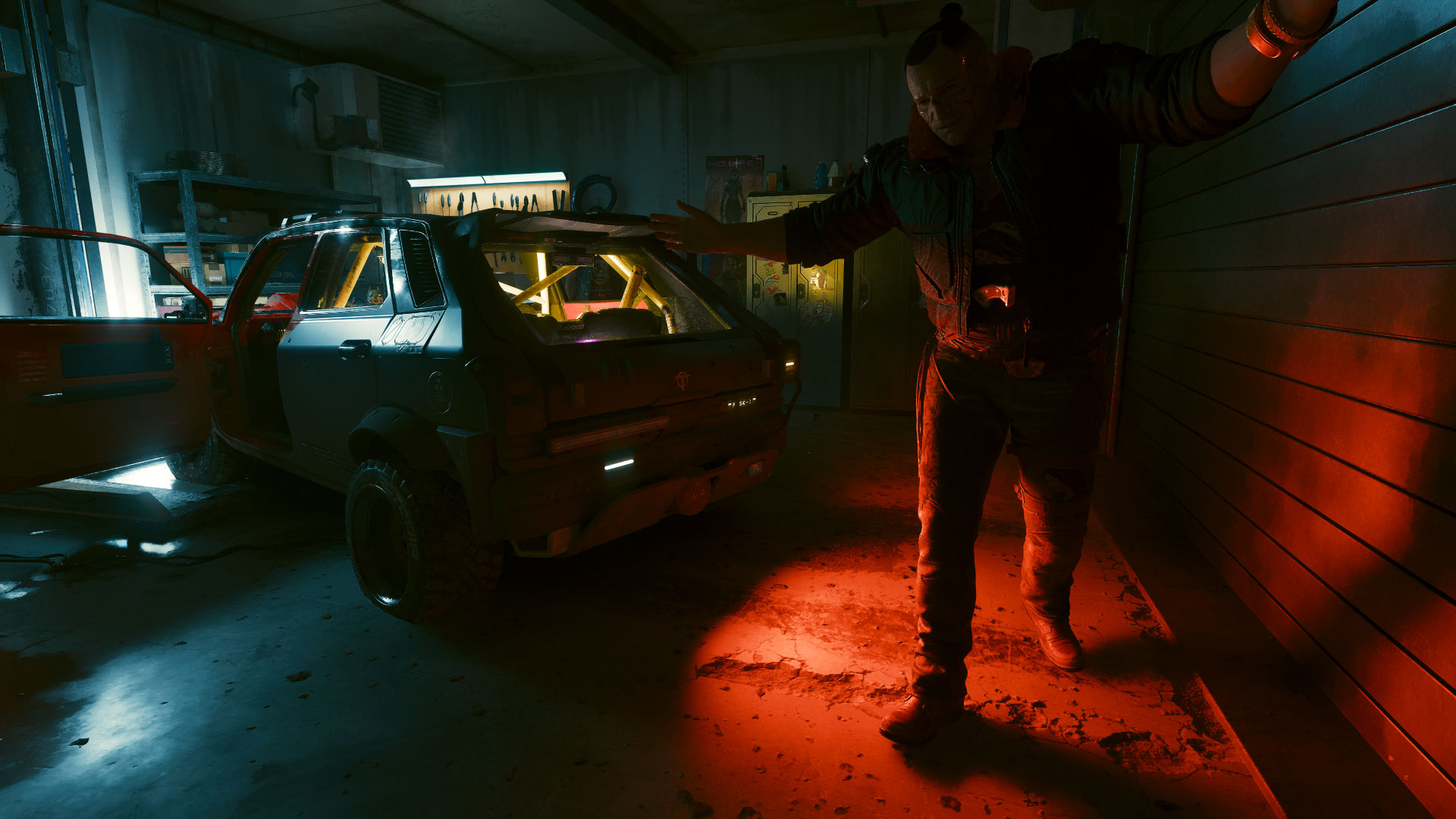
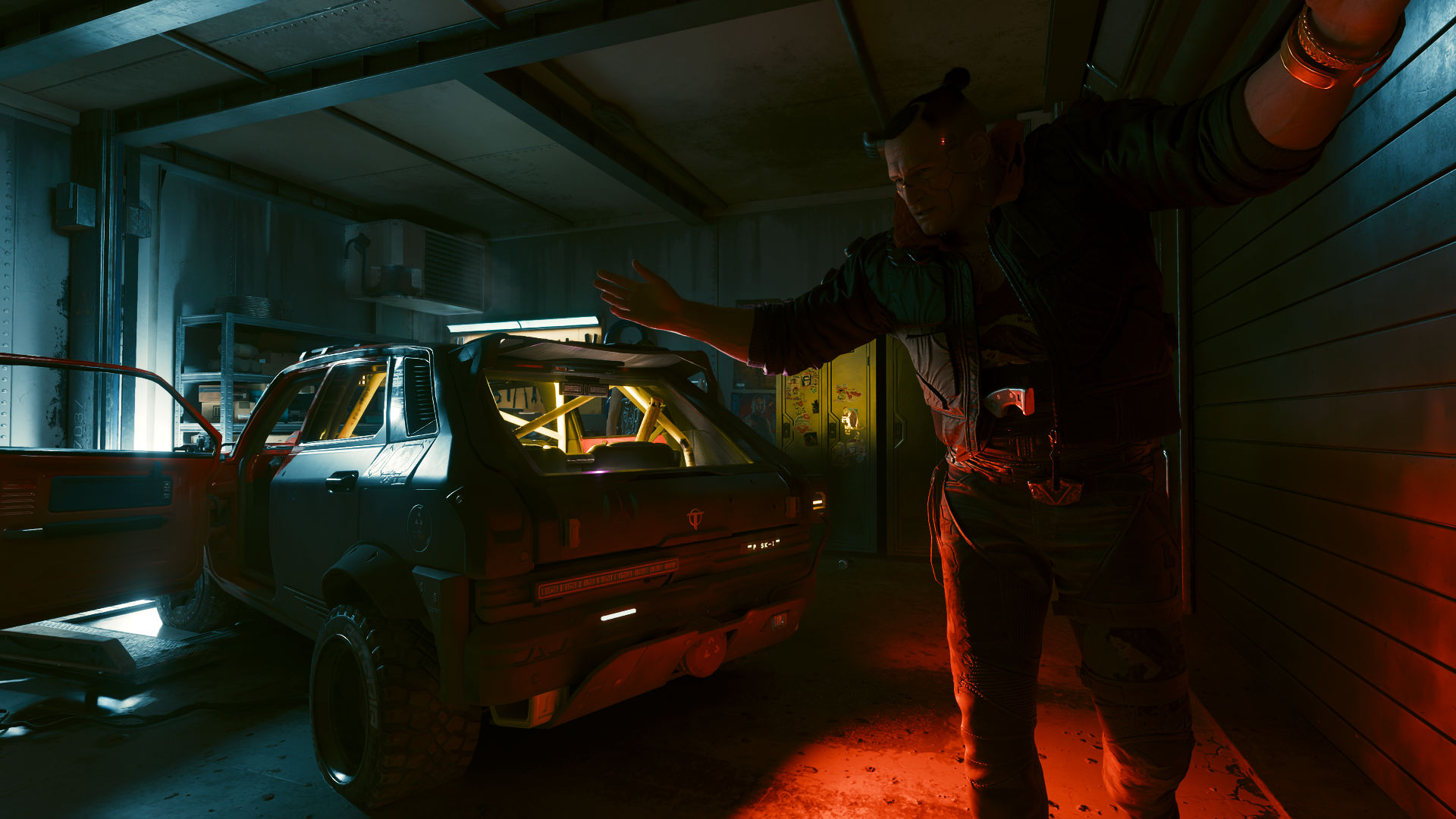
During the nighttime scenes, the same story continues. Jackie’s weapon not only shows red lighting but also a yellow tinge reflected from the car’s interior lighting. Additionally, the lighting on Jackie’s belt looks better illuminated and more detailed.
The shadows cast by the car’s taillights also look sharper, as do the car’s details, including the tire treads, bumper, and rear logo. Lastly, the rear window shows significantly less noise, resulting in a cleaner overall image without any performance drop.
Final Thoughts on DLSS 4.5 Ray Reconstruction and Preset F Performance
The shift to NVIDIA’s 2nd-generation Transformer model proves that there is still plenty of room to refine how we experience ray-traced and path-traced games. The fact that this new architecture can process 20% more parameters for superior lighting accuracy and temporal stability, all while maintaining strict performance parity with the older model is an impressive engineering feat. In practice, this means your games will simply look better in motion. Shadows are sharper, environments are illuminated more naturally, and low-light noise is aggressively minimized. For anyone playing Cyberpunk 2077 on modern RTX hardware, the DLSS 4.5 update removes the compromises previously associated with heavy denoising, making it an essential feature to leave turned on.