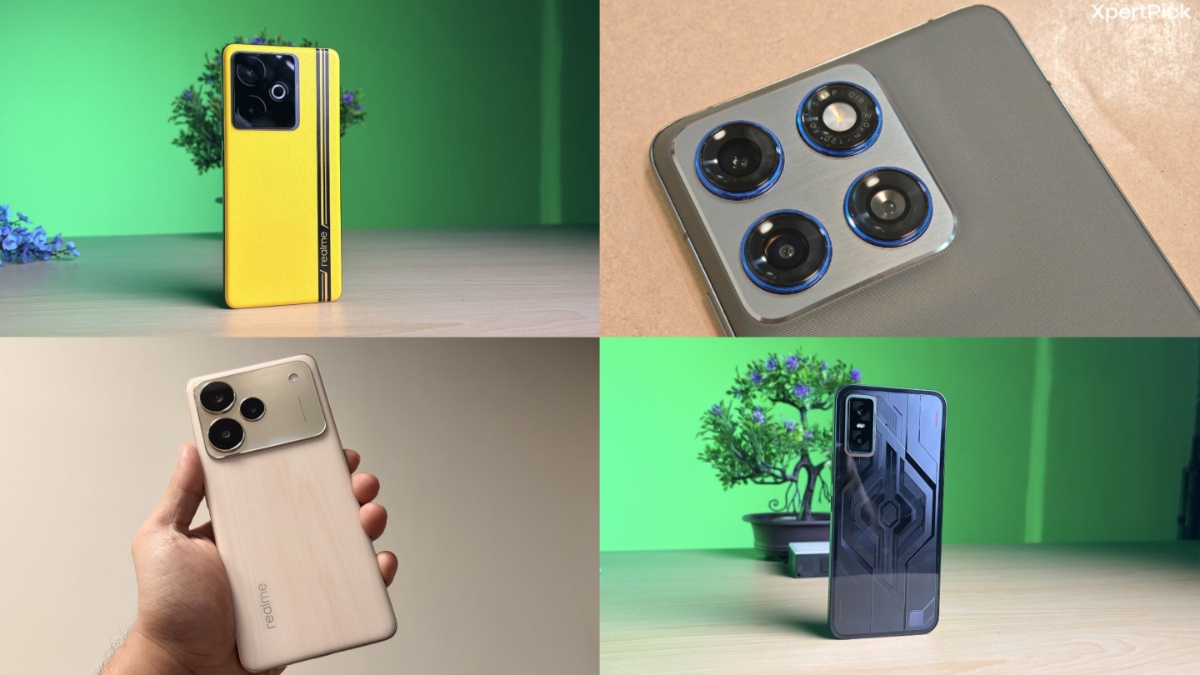
If you’re hunting for the ultimate gaming smartphone around the ₹30,000 price point, you’ve come to the right place. We’ve put the most competitive devices in this segment through a rigorous series of performance, thermal, and real-world gaming tests to find out which ones truly deserve your hard-earned money.
At this price point, compromises are inevitable, but gamers shouldn’t have to sacrifice frame stability or put up with severe thermal throttling. A true gaming device needs to post strong benchmark numbers, maintain its thermals during extended gaming sessions, and minimise micro-stutters when the action gets intense.
In our detailed lab testing, the Realme GT 7T, slightly above the budget threshold, but offering exceptional price-to-performance value, shattered records for frame stability, delivering the best 5% low results we’ve seen anywhere near this price bracket. If your priority is achieving the highest possible frame rates for competitive esports titles, the Moto Edge 70 stands tall as the king of peak fluidity, pushing frame rates that its sub-₹30,000 rivals simply cannot match.
For gamers who dislike a hot-running phone, the Infinix GT 30 carved out its niche as a thermal powerhouse, operating cooler than any other device we tested under sustained full-load conditions. Meanwhile, the Realme P4 Pro emerges as a well-rounded alternative, handling graphics-intensive workloads with impressive consistency, even if it gives up a little raw processing performance at the top end.
Our Top Picks at a Glance
- Moto Edge 70 (₹29,999) – Best for Peak FPS and Competitive E-Sports
- Infinix GT 30 (₹23,999) – Best Budget Pick and Thermal Stability
- Realme P4 Pro (₹30,968) – Best Balanced Graphical Consistency
- Realme GT 7T (₹31,639) – Best Absolute Performance and Frame Stability
Key Specs and Hardware Overview
| Key Specifications | Moto Edge 70 | Infinix GT 30 | Realme P4 Pro | Realme GT 7T |
| Price | ₹29,999 | ₹23,999 | ₹30,968 | ₹31,639 |
| Best For | Peak FPS and Competitive E-Sports | Budget Pick and Thermal Stability | Balanced Graphical Consistency | Absolute Performance and Frame Stability |
| Battery Capacity | 5,000mAh | 5,500mAh | 7,000mAh | 7,000mAh |
| Charging Speed | Not Specified | Not Specified | Not Specified | Not Specified |
| Processor | Snapdragon 7 Gen 4 | Dimensity 7400 | Snapdragon 7 Gen 4 | Dimensity 8400-Max |
| RAM | 8GB | 8GB | 8GB / 12GB | 8GB / 12GB |
| Storage | 256GB | 128GB / 256GB | 128GB / 256GB / 512GB | 256GB / 512GB |
| Display | AMOLED, 120Hz | LTPS AMOLED, 144Hz | AMOLED, 144Hz | AMOLED, 120Hz |
Moto Edge 70
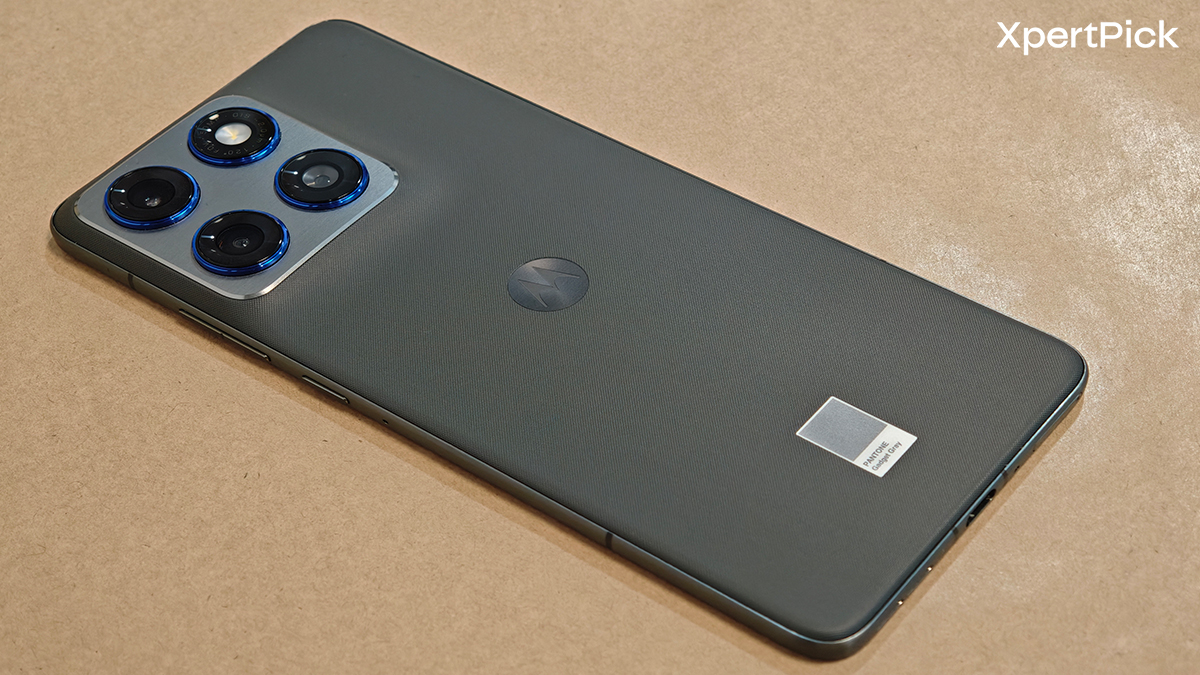
In competitive e-sports titles such as BGMI, unlocking a frame rate beyond the standard 90 FPS threshold is the ultimate competitive edge. The Moto Edge 70 is a powerhouse in this specific domain, clocking a blistering 114.7 Average FPS in BGMI. If you need hyper-fluid motion to track moving targets or spot enemies faster, this phone delivers unmatched brute-force speed.
However, that speed comes at a heavy cost. In our synthetic 3DMark Wild Life Extreme stress test, the Moto Edge 70 fell to a mediocre 64.1% stability rating. This heavy thermal throttling directly affects long-term gaming sessions; when the phone heats up, it suffers from sudden micro-stutters, causing its BGMI 5% Low FPS to dip down to 60.7 FPS. If you play fast-paced competitive shooters in shorter bursts, its peak performance is spectacular, but expect things to get bumpy if you don’t take breaks.
Moto Edge 70 XP Lab Data
-
AnTuTu Overall Score: 1,409,815
-
Geekbench 6 Score: 1,330 (Single-Core) / 4,155 (Multi-Core)
-
Geekbench GPU Score: 4,779
-
3DMark WildLife Extreme Score: 2,074
-
3DMark Stress Test Stability: 64.1%
-
BGMI Performance (Lowest Graphics): 114.7 Average FPS / 60.7 5% Low FPS
-
Minecraft Performance (Highest Graphics): 35.7 Average FPS / 24.7 5% Low FPS
Moto Edge 70 Pros & Cons
-
Pros: Unlocks an elite, ultra-high peak frame rate of 114.7 FPS in BGMI, giving competitive players incredible fluidity.
-
Cons: Struggles significantly with sustained graphics stability, achieving just 64.1% stability, resulting in noticeable drops in 5% Low frame rates during intense team fights.
Infinix GT 30
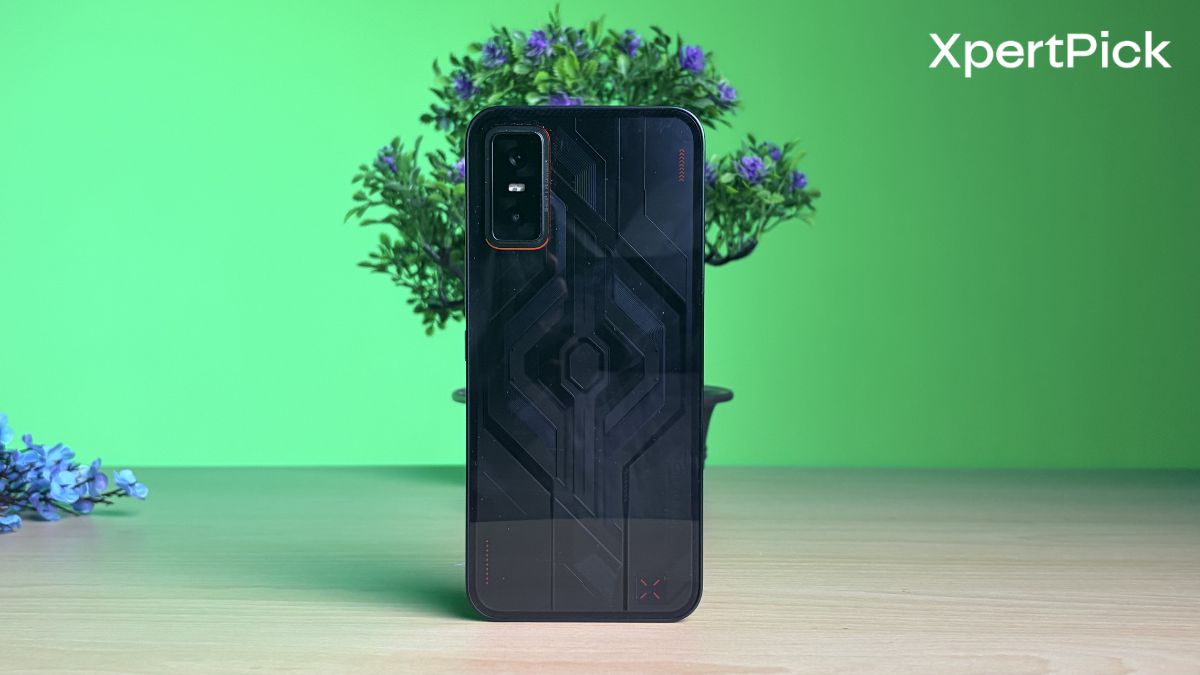
Raw power means absolutely nothing if your phone burns your hands and throttles its CPU after just ten minutes of gameplay. The Infinix GT 30 easily takes the crown for pure thermal endurance. Despite sitting at a much lower ₹23,999 price tag, it walked through the grueling 3DMark Wild Life Extreme stress test with an almost perfect 99.6% stability score.
When we checked its outer chassis temperature after the stress test, it sat at a remarkably cool 34°C, beating its closest rivals by up to 8°C. This exceptional cooling means you get absolute predictability. While its processor limits its performance to an 82.4 Average FPS in BGMI and a lighter 27.5 Average FPS in heavy Minecraft setups, you will never experience sudden performance drops or thermal warnings mid-match.
Infinix GT 30 XP Lab Data
-
AnTuTu Overall Score: 975,961
-
Geekbench 6 Score: 1,069 (Single-Core) / 3,159 (Multi-Core)
-
Geekbench GPU Score: 3,043
-
3DMark WildLife Extreme Score: 1,056
-
3DMark Stress Test Stability: 99.6%
-
Temperature After Stress Test: 34°C
-
BGMI Performance (Lowest Graphics): 82.4 Average FPS / 57.5 5% Low FPS
-
Minecraft Performance (Highest Graphics): 27.5 Average FPS / 19.3 5% Low FPS
Infinix GT 30 Pros & Cons
-
Pros: Unrivaled thermal efficiency, keeping a cool 34°C posture under full load with a flawless 99.6% stability rating. Exceptional pricing makes it the smart budget pick.
-
Cons: Lower raw GPU power restricts maximum frame ceiling; Minecraft struggles at just 27.5 FPS on highest settings.
Realme P4 Pro

The Realme P4 Pro is the silent, minimalist option in the group, designed for gamers who prefer high graphical consistency over peak frame rates. It manages to cross the 1-million mark on AnTuTu and features a strong 4,536 Geekbench GPU score, putting it structurally right behind the Moto Edge 70 in raw computational power.
Where the P4 Pro shines is its ability to hold onto its frames under heavy loads without aggressively choking. It logged a stellar 99.3% 3DMark graphical stability rating. This elite cooling logic shows up instantly in heavy gaming titles like Minecraft on maximum settings, where it outperformed the Moto Edge 70 by delivering a smoother 43.5 Average FPS. The only major drawback is its peak BGMI pacing; while it is perfectly stable, it caps out at a modest 73 Average FPS, keeping it from being a top choice for hyper-fast, high-refresh e-sports.
Realme P4 Pro XP Lab Data
-
AnTuTu Overall Score: 1,009,232
-
Geekbench 6 Score: 1,193 (Single-Core) / 3,506 (Multi-Core)
-
Geekbench GPU Score: 4,536
-
3DMark WildLife Extreme Score: 1,813
-
3DMark Stress Test Stability: 99.3%
-
Temperature After Stress Test: 40.8°C
-
BGMI Performance (Lowest Graphics): 73.0 Average FPS / 61.2 5% Low FPS
-
Minecraft Performance (Highest Graphics): 43.5 Average FPS / 23.9 5% Low FPS
Realme P4 Pro Pros & Cons
-
Pros: Good graphical consistency with 99.3% stability ensures a highly reliable gaming experience and handles demanding workloads such as Minecraft better than the Moto Edge 70.
-
Cons: BGMI average frame rate is limited to 73 FPS, which may feel underwhelming to high-refresh-rate purists.
Realme GT 7T
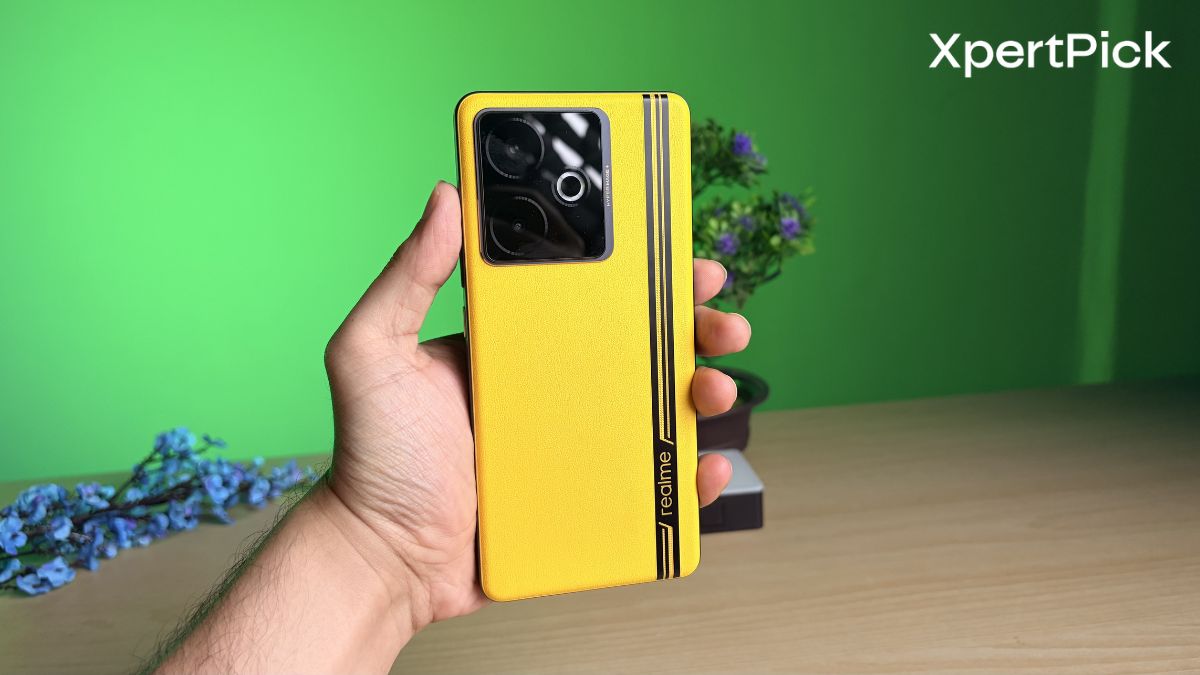
Though its ₹31,639 price tag stretches just a hair beyond the strict ₹30,000 boundary, the Realme GT 7T is included here because it completely reshapes what value-for-money means in this performance tier. It is an absolute powerhouse, generating a staggering 2,127,058 AnTuTu score and a monstrous 10,895 Geekbench GPU rating, effectively doubling the raw graphical power of its competitors.
In real-world gameplay, this raw power translates to unparalleled frame stability. In BGMI, it maintains a near-flawless 96.5 Average FPS, but its true crowning achievement is its 81.2 FPS 5% Low score. This means that even during chaotic combat sequences with smoke grenades and vehicle explosions, your frame rate will barely fluctuate. It handles maximum-setting Minecraft with ease at 58.1 Average FPS. The catch? Keeping this beast running requires a serious thermal trade-off, as it reached a noticeably warm 42.8°C after our stress testing. If you can handle a warmer phone, its elite performance is worth every single penny.
Realme GT 7T XP Lab Data
-
AnTuTu Overall Score: 2,127,058
-
Geekbench 6 Score: 1,595 (Single-Core) / 6,248 (Multi-Core)
-
Geekbench GPU Score: 10,895
-
3DMark WildLife Extreme Score: 4,094
-
3DMark Stress Test Stability: 73.3%
-
Temperature After Stress Test: 42.8°C
-
BGMI Performance (Lowest Graphics): 96.5 Average FPS / 81.2 5% Low FPS
-
Minecraft Performance (Highest Graphics): 58.1 Average FPS / 39.7 5% Low FPS
Realme GT 7T Pros & Cons
-
Pros: Dominant processing and graphical power with a 2.12M AnTuTu score. Delivers the most stable frame rates in the segment, maintaining a spectacular 81.2 5% Low in BGMI with virtually zero stutter.
-
Cons: Pushed slightly past the strict ₹30,000 budget and runs warmer than the rest, peaking at 42.8°C under extended loads.