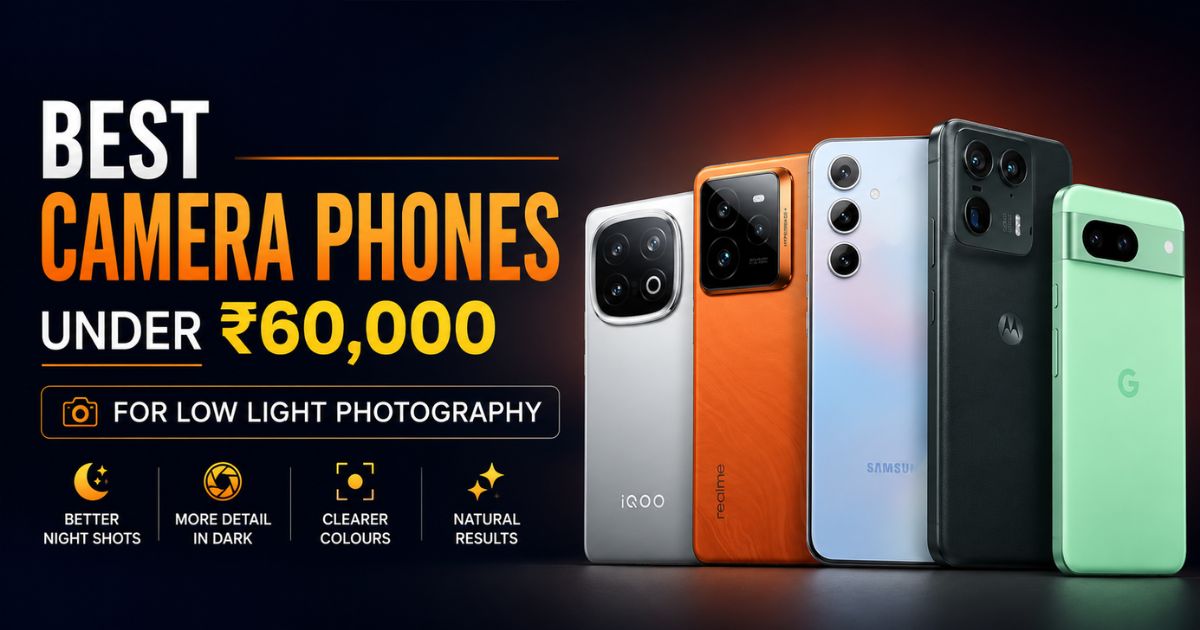
Smartphone brands love talking about low-light photography. Every launch event promises brighter night shots, sharper detail, and DSLR-like results after sunset. But in actual use, low-light photography is still one of the hardest things for a smartphone camera to get right. To see how different brands handle the same challenge, we tested the iQOO 13, Realme GT 7 Pro, Samsung Galaxy S24 FE, Motorola Edge 50 Ultra, and Google Pixel 8a. Some phones brighten scenes too much, some lose detail in the shadows, while others struggle to control light sources such as shop signs and street lamps.
So, instead of relying on marketing claims, we tested all five smartphones under the same lighting conditions to see how they actually perform in the dark. We shot the same building outdoors at night and the same basket of fruit indoors in near-dark conditions. Every phone captured the exact same frame from the same distance. We also took one shot with night mode turned off and another with night mode enabled, without editing any image afterwards.
The results were more interesting than expected. A few phones surprised us with their consistency, while one particular device handled shadows and bright light sources better than the rest.
How We Tested Smartphones
For this comparison, we tried to keep everything as equal as possible:
- All phones captured the same outdoor building shot under identical lighting conditions
- Indoor photos were taken in near-dark conditions using the same fruit basket setup
- Framing and focal distance were kept similar across devices
- One image was taken with Night Mode off and another with Night Mode on
- No filters, editing, or colour correction was applied afterwards
- All shots were captured using the primary rear camera in default settings
Outdoor Low-Light Test: iQOO 13 Leads With Cleaner Details And Better Night Mode Processing
The outdoor test involved a commercial building, which made for a tricky scene because of the extreme contrast between the brightly lit areas and the dark sky around them. Getting the highlights right without blowing them out, while still pulling enough light from the darker parts of the building, is where phones tend to separate themselves from one another.
| Phone | Rear Cameras | Front Camera | Chipset | Price |
| iQOO 13 | 50MP + 50MP + 50MP | 32MP | Snapdragon 8 Elite | Rs. 55,999 |
| Realme GT 7 Pro | 50MP + 8MP + 50MP | 16MP | Snapdragon 8 Elite | Rs. 54,999 |
| Samsung Galaxy S24 FE | 50MP + 12MP + 8MP | 10MP | Samsung Exynos 2400e | Rs. 39,999 |
| Motorola Edge 50 Ultra | 50MP + 50MP + 64MP | 50MP | Snapdragon 8s Gen 3 | Rs. 49,999 |
| Google Pixel 8a | 64MP + 13MP | 13MP | Google Tensor G3 | Rs. 37,999 |
iQOO 13
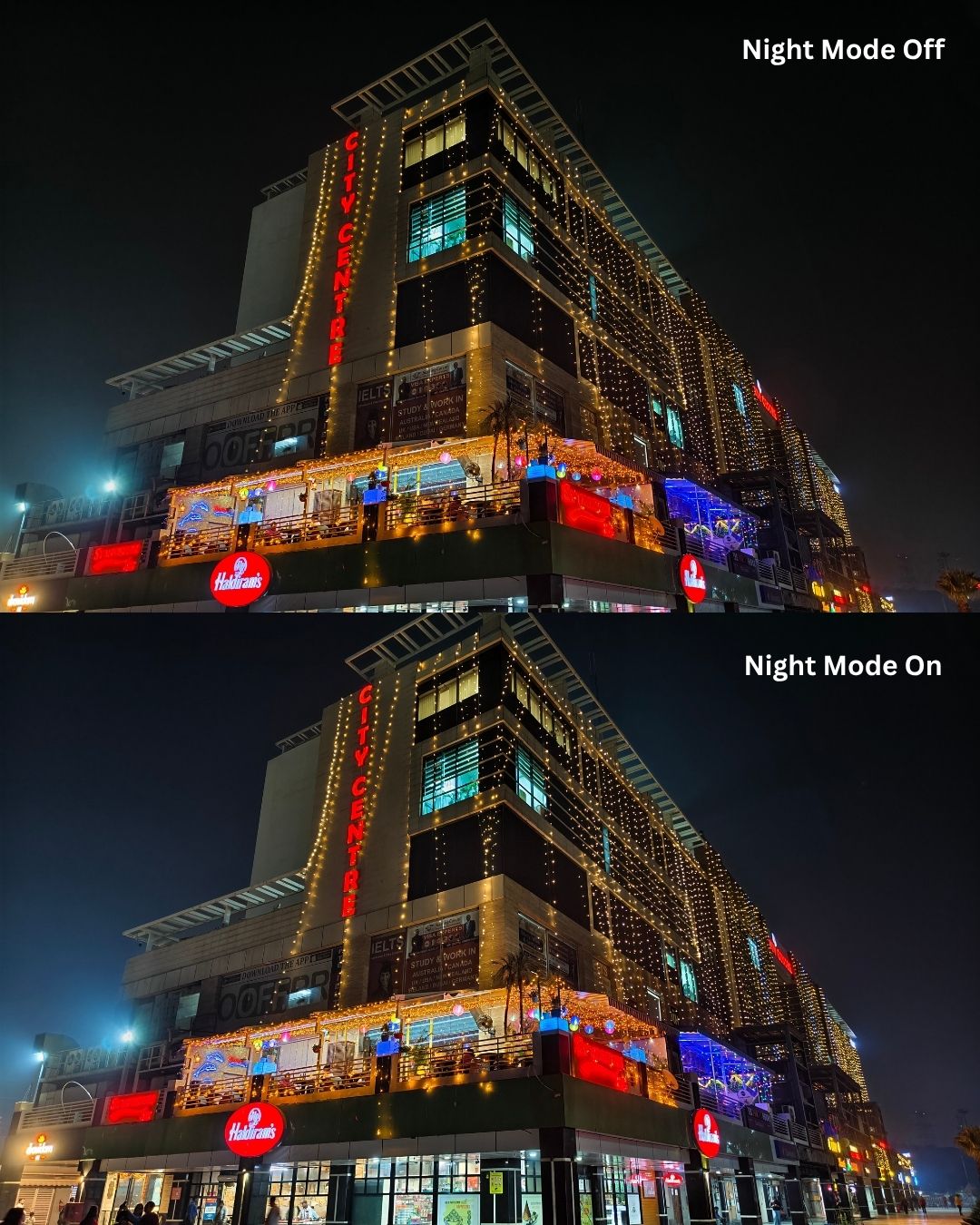
Realme GT 7 Pro
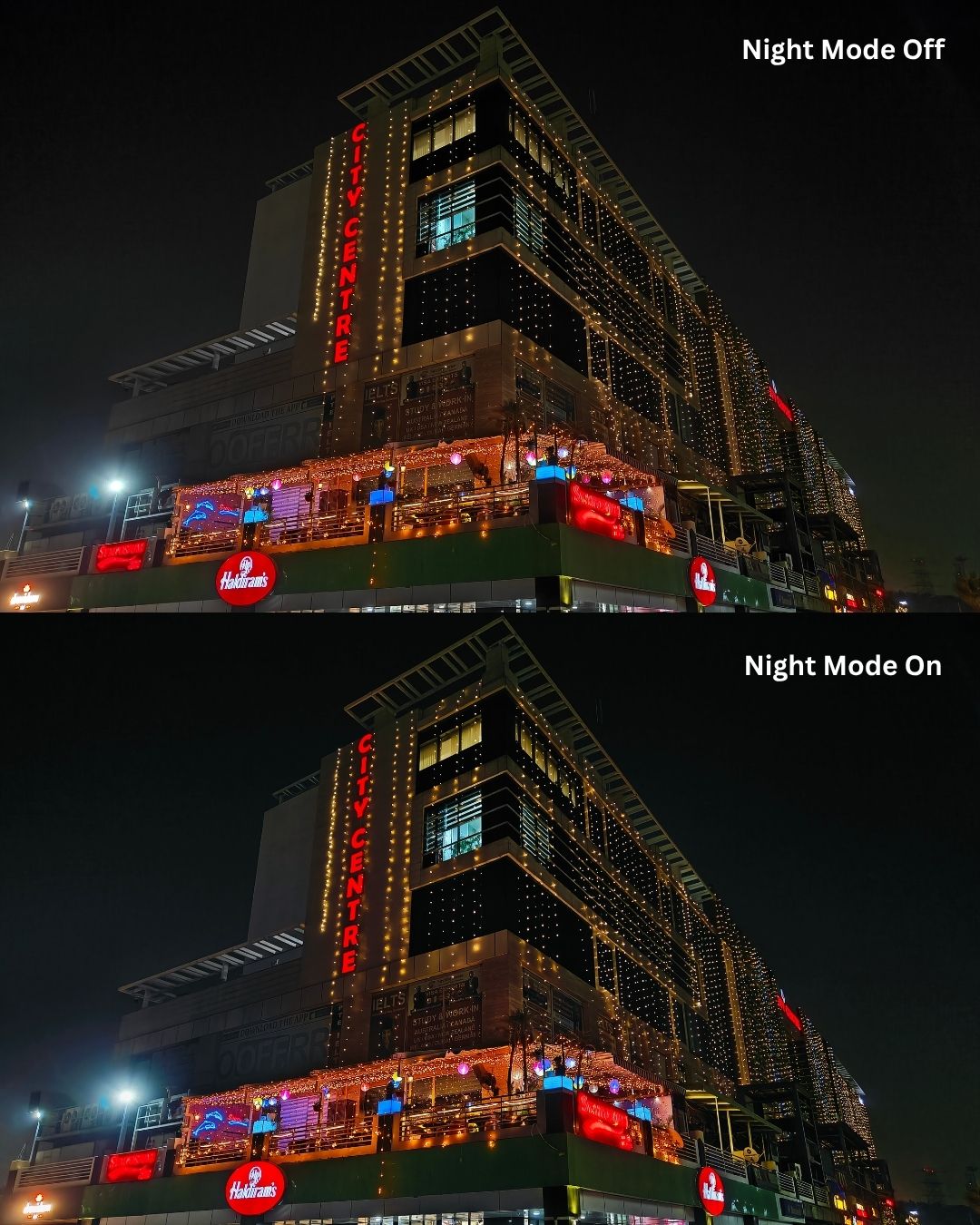
Samsung’s Galaxy S24 FE
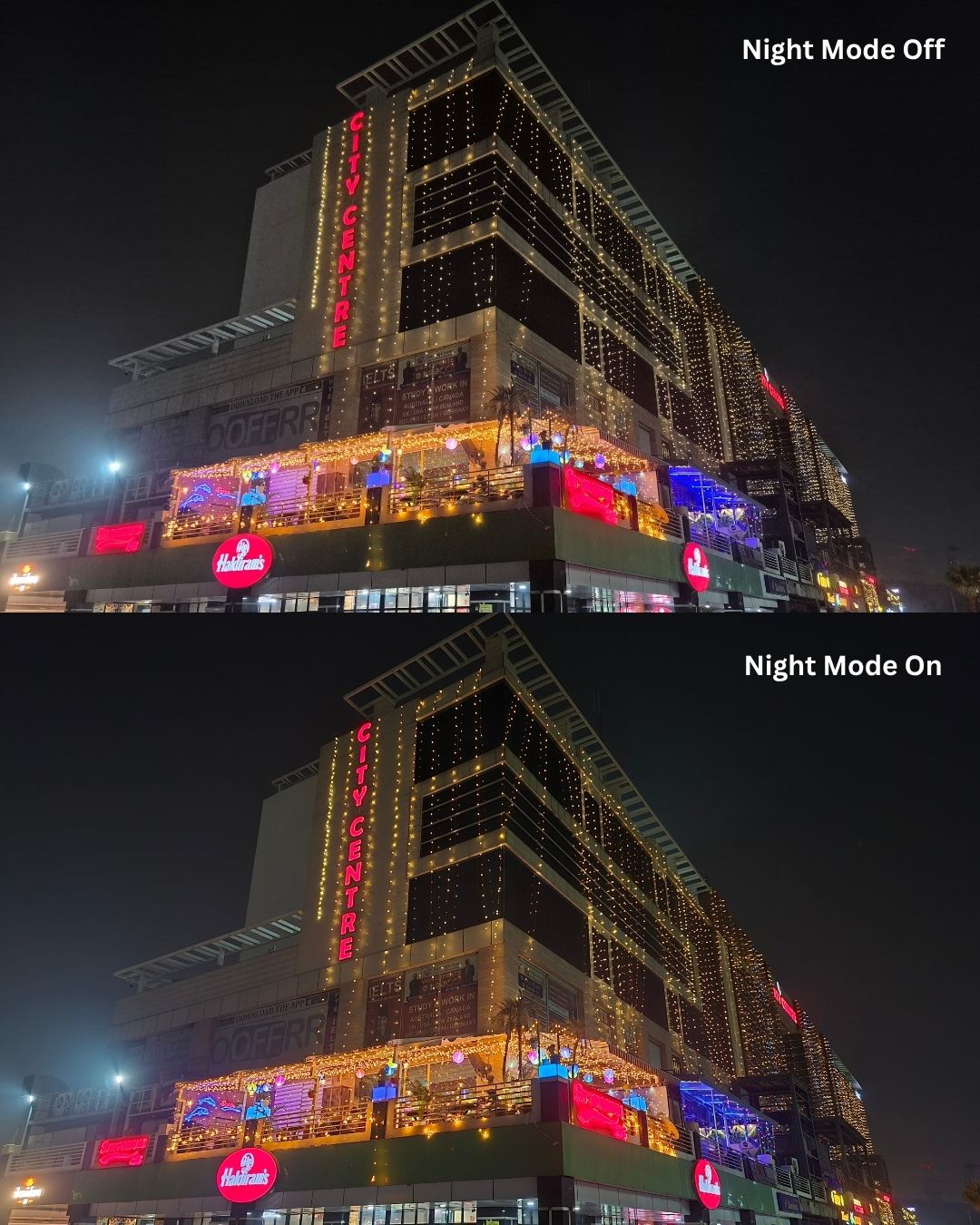
The Samsung Galaxy S24 FE delivered fairly accurate colours in both situations, whether night mode was enabled or not. Even without night mode, the device managed to capture a decent-looking image with good sharpness and pleasing colours. However, there was some noticeable grain, especially around the brighter light sources in the frame. That issue improved once night mode was turned on, as the phone produced a much cleaner and more pleasing image with better noise control, accurate colours, and solid sharpness.
The device did apply a slight amount of smoothing around certain edges and parts of the dark sky, but that honestly feels like nitpicking because the overall image quality was very good. In day-to-day usage, most users are unlikely to have any major complaints with the results.
Motorola Edge 50 Ultra
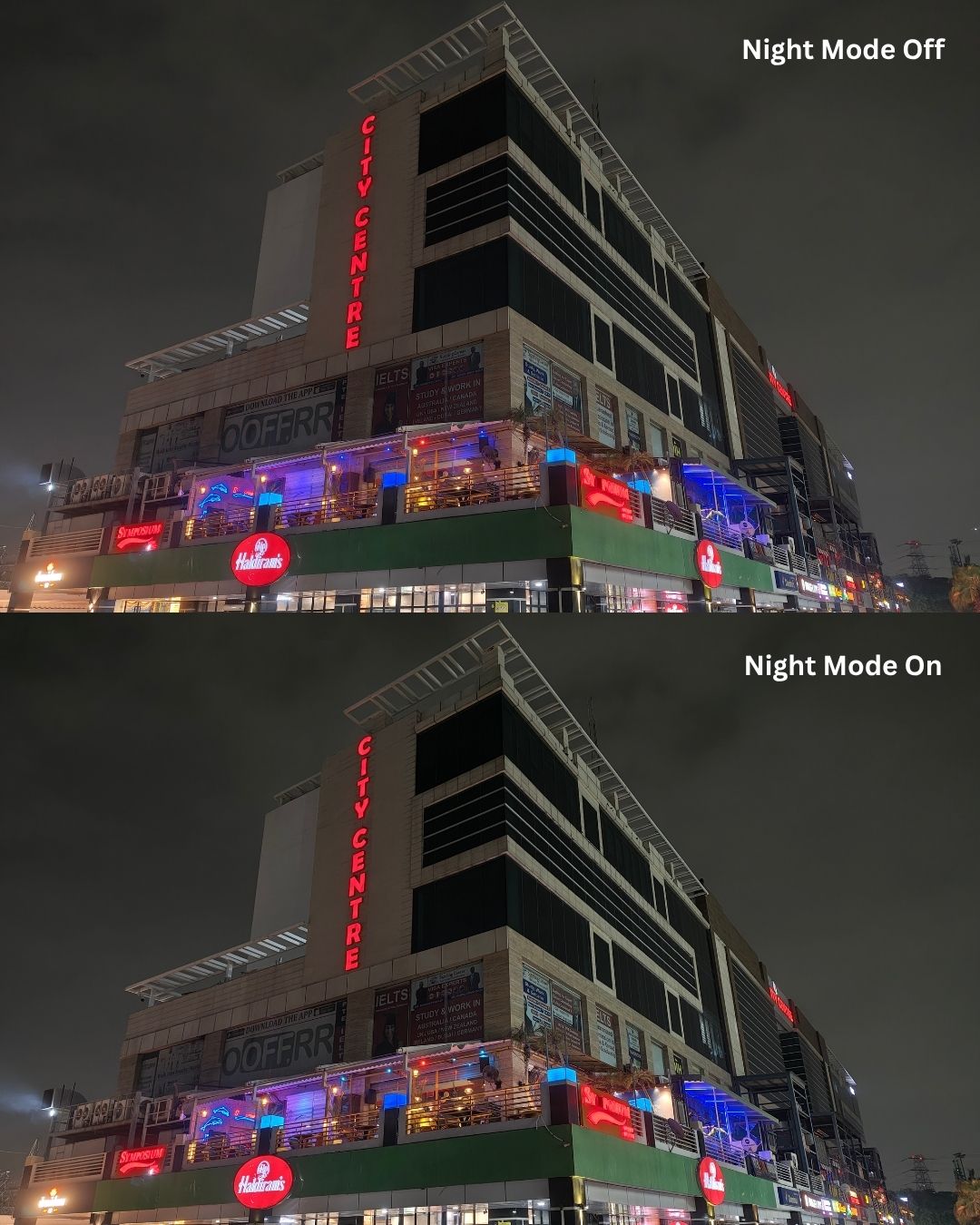
The Motorola Edge 50 Ultra did a decent job in this outdoor low-light test and managed to capture a good-looking image with accurate colours and solid sharpness. Overall, the photos from the device looked pleasing, with no major complaints regarding image quality.
One thing we noticed, though, was that there was not a huge difference between shots captured with night mode turned on and off. Yes, enabling night mode helped reduce grain levels and improve sharpness slightly, but the overall change was not very dramatic. Even so, the final images still looked balanced and perfectly usable for day-to-day photography.
Google Pixel 8a
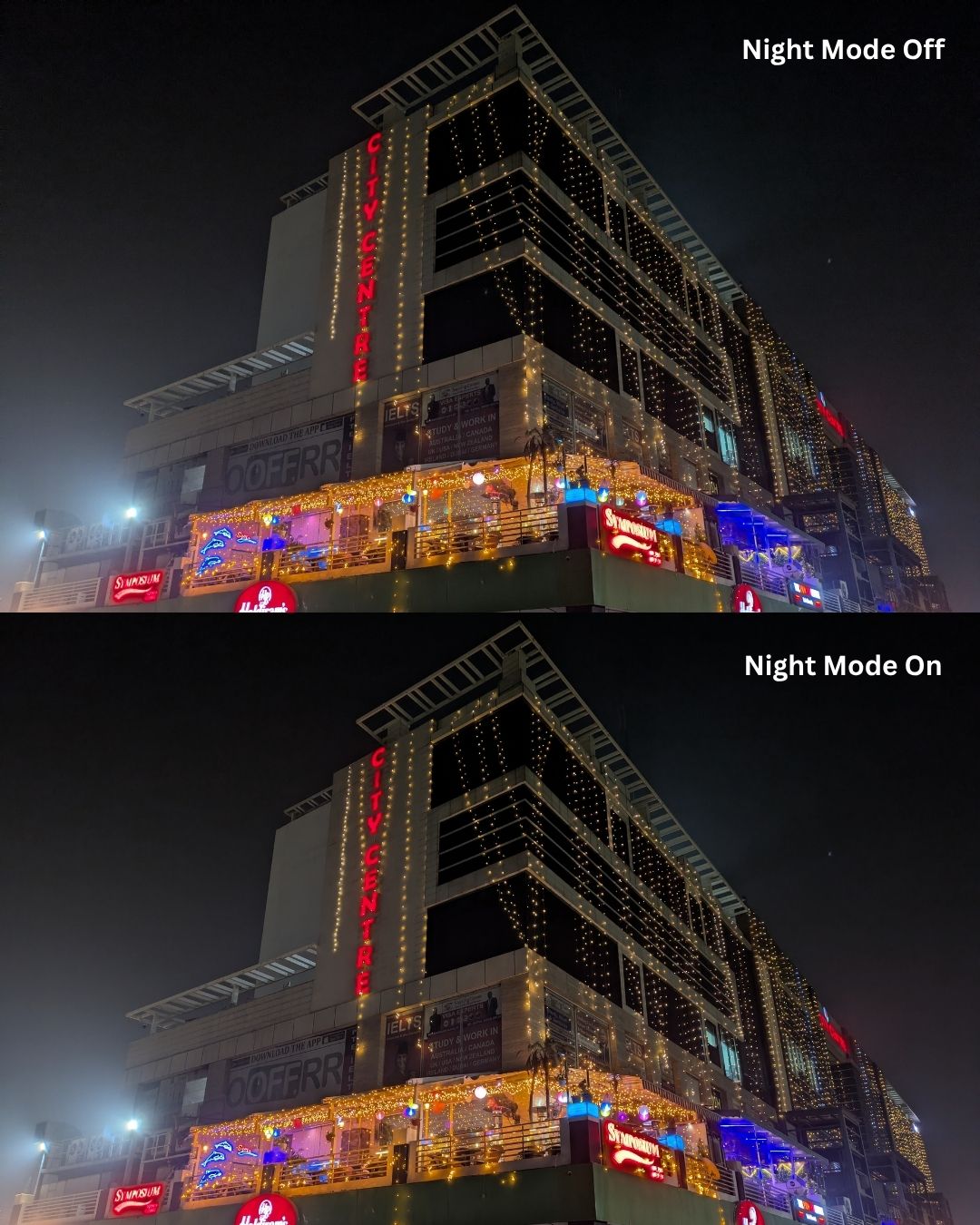
We had high expectations from the Google Pixel 8a, especially considering Pixel phones are known for their camera performance. However, the Pixel 8a did not quite live up to the mark in our testing. While the overall colours and scene reproduction looked pleasing and natural, both the night mode and standard shots showed some grain, which is not something we expected from a Pixel device.
The phone also struggled to deliver the kind of sharpness and detail that some of the other smartphones in this comparison managed to capture. The framing and dynamic range were decent, but the final images lacked the crispness and clarity needed to truly stand out.
Indoor Low-Light Test: Motorola Edge 50 Ultra Delivers The Most Balanced Flash And Night Mode Shot
iQOO 13
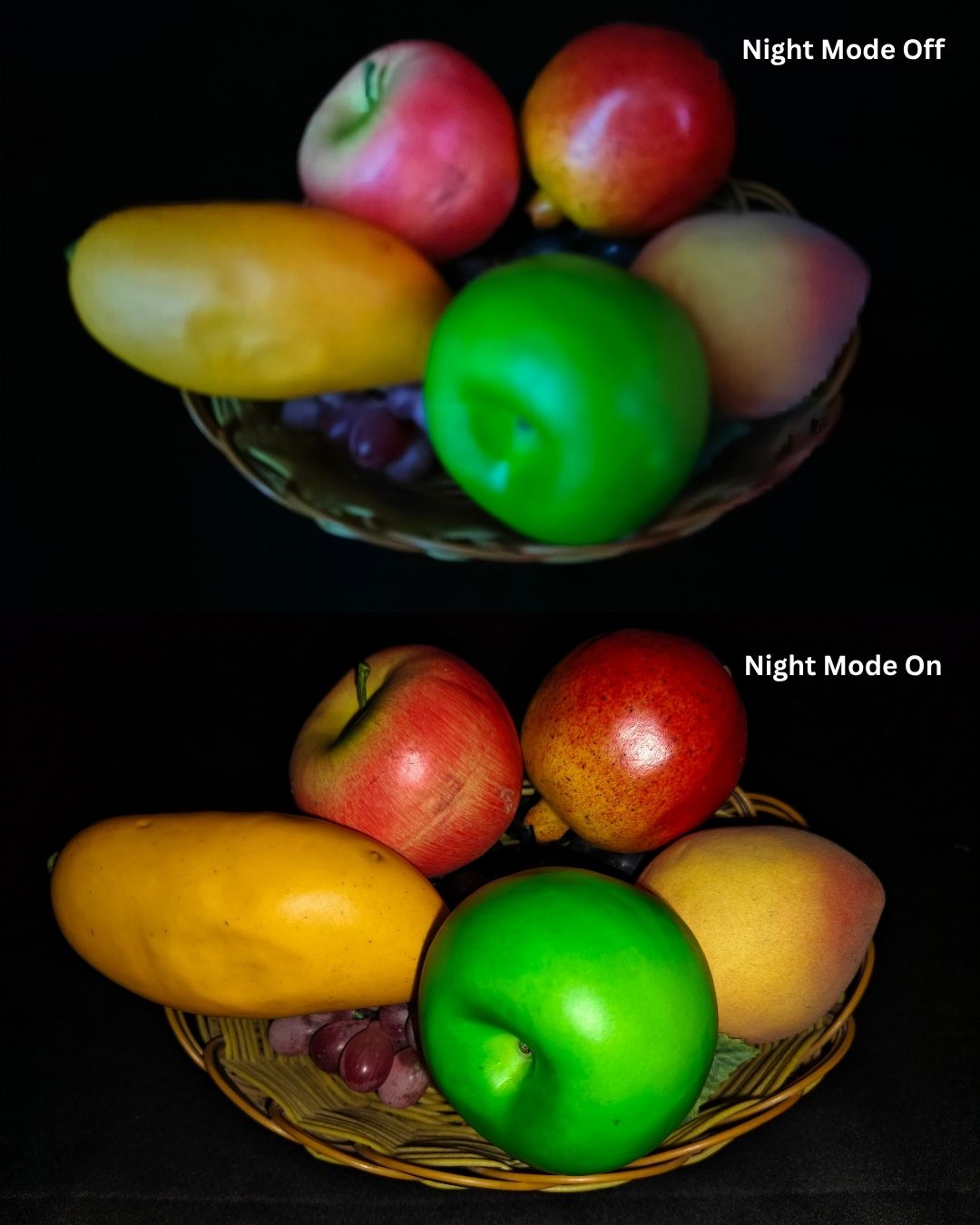
Realme GT 7 Pro
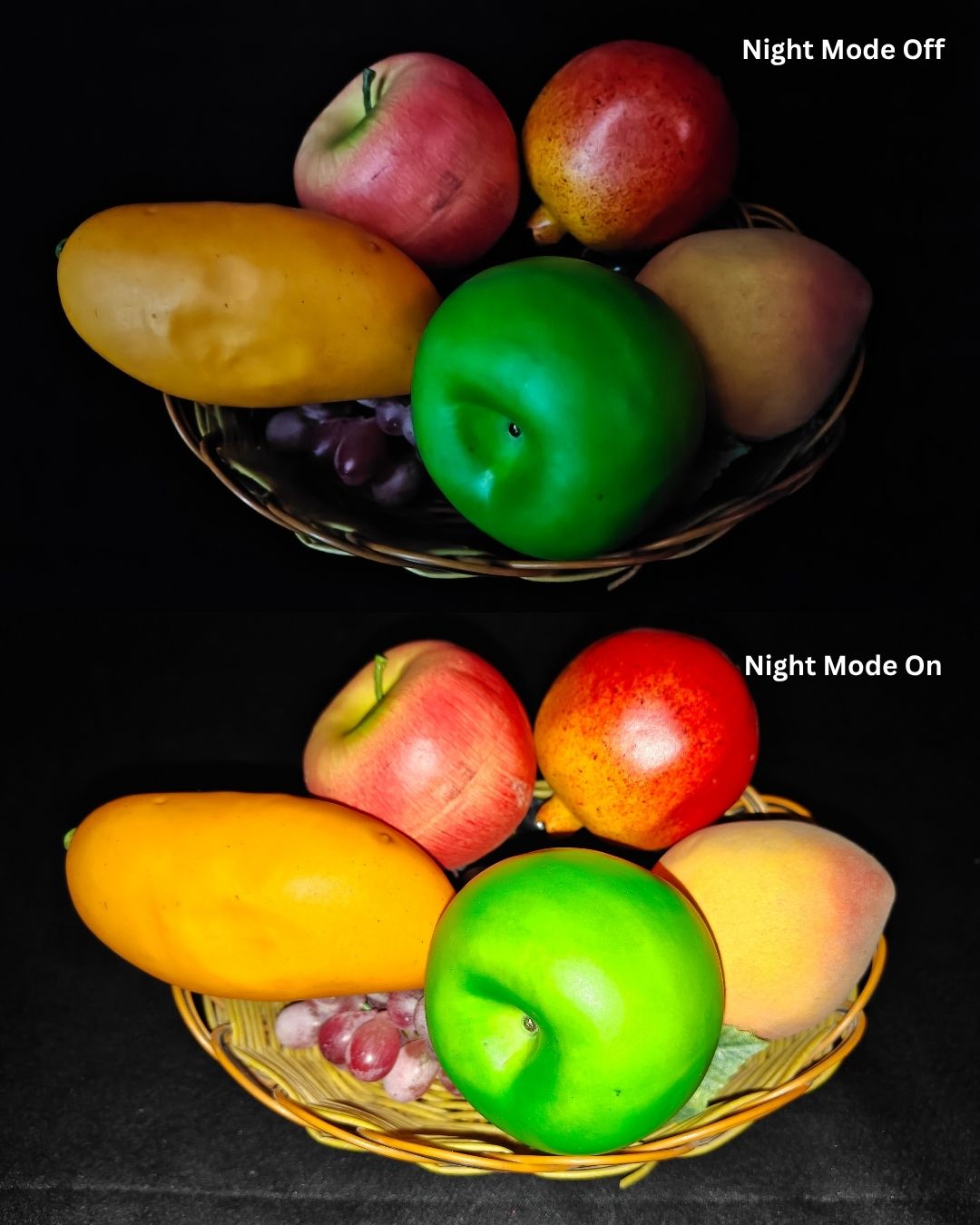
The Realme GT 7 Pro delivered mixed results in this indoor low-light test. Without night mode and flash, the device managed to capture an acceptable image with natural-looking fruit colours and controlled grain levels. The overall scene retained a balanced look, and the image did not appear overly processed.
However, the results changed once flash and night mode were enabled together. The phone ended up producing an overly bright image, causing parts of the scene to lose their natural feel. While details were still visible, the aggressive brightening reduced the overall realism of the shot.
Samsung Galaxy S24 FE
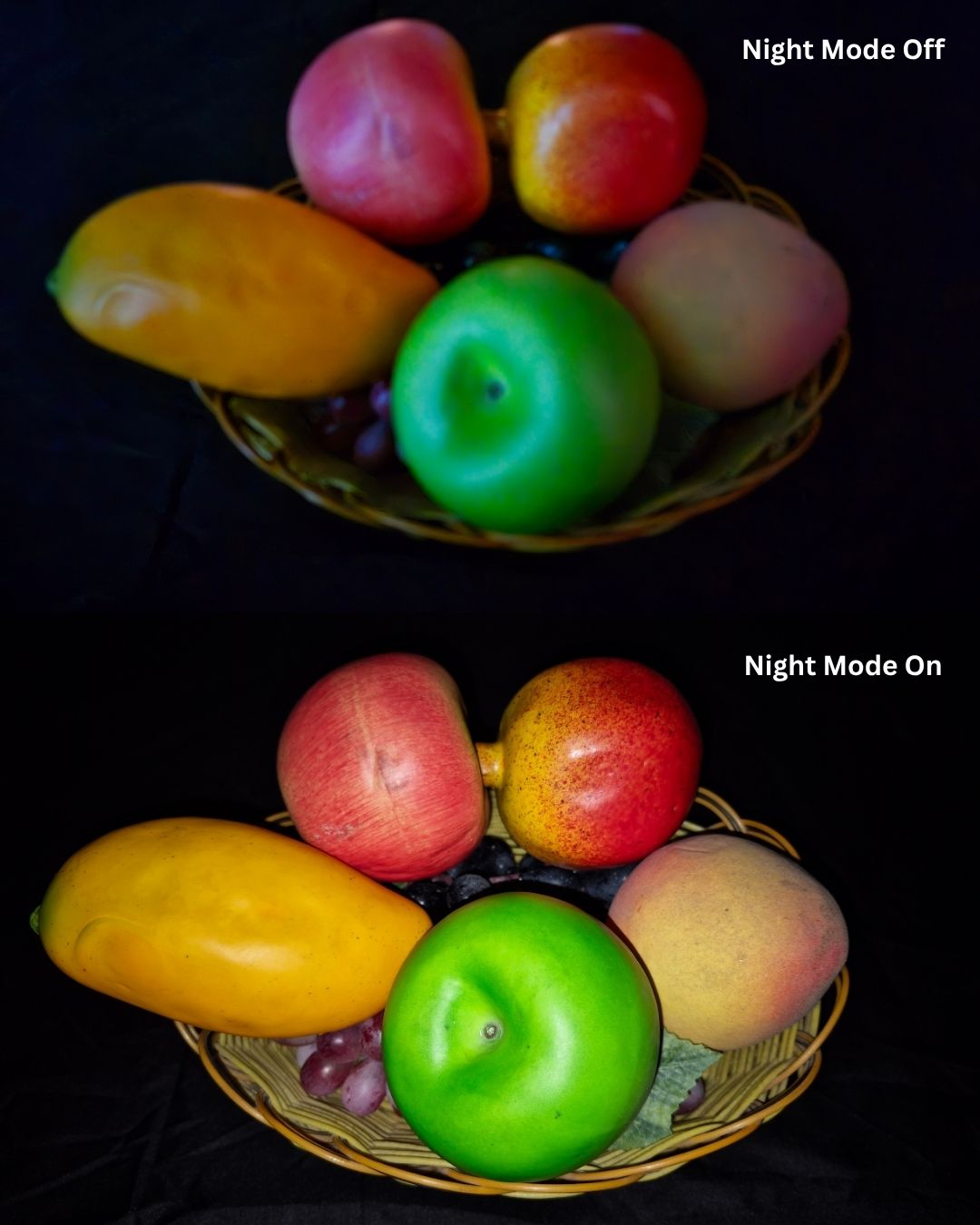
Motorola Edge 50 Ultra
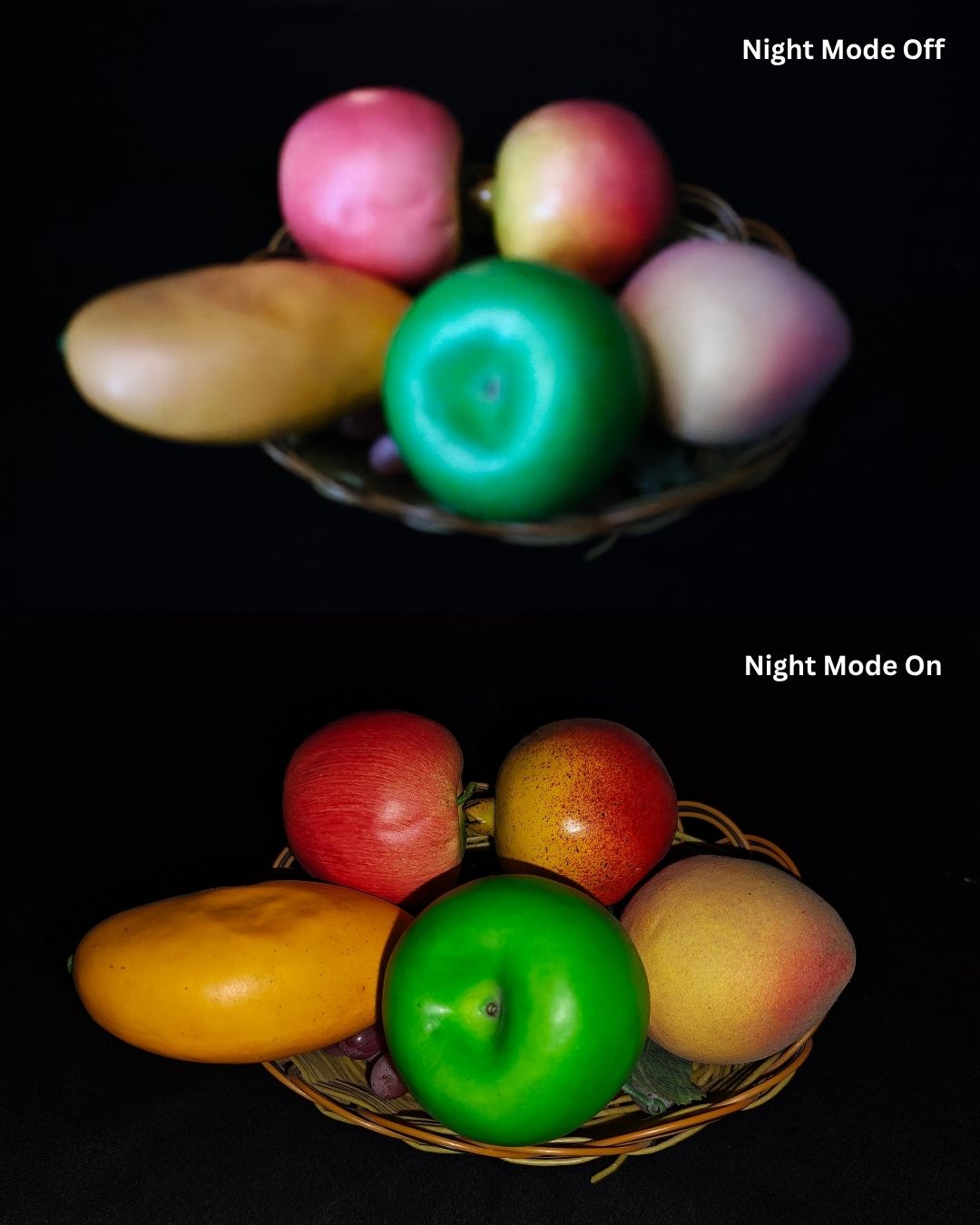
The Edge 50 Ultra struggled badly in the standard low-light shot, producing an image that looked extremely grainy and heavily blurred. Most of the finer details were missing, and the overall frame lacked the clarity needed for a usable photo.
However, things changed once night mode and flash were enabled together. The device captured a genuinely beautiful image with some of the most accurate colours among all the phones in this comparison. The fruits looked natural, whites were well controlled, and the image stayed impressively sharp without becoming overly bright. Motorola also managed exposure exceptionally well, helping the final shot look balanced and realistic even in such challenging lighting conditions.
Google Pixel 8a
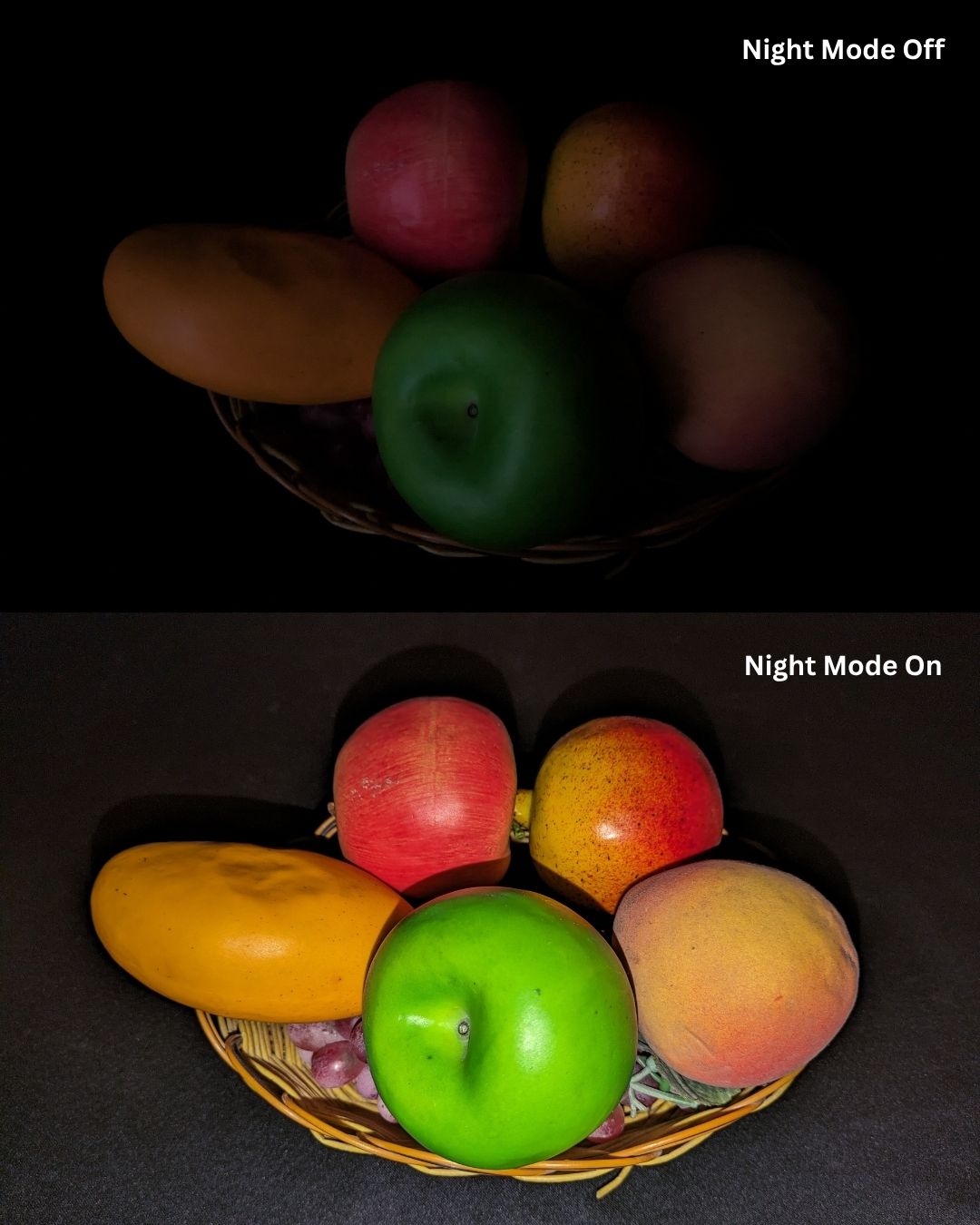
Night Mode: Helpful or Overprocessed?
Before running this test, there was a reasonable argument that night mode was partly a marketing feature, something that sounds good on a spec list but delivers only marginal gains in practice. After shooting the same scenes across five phones with night mode turned on and off, that argument does not hold up.
Night mode made a visible and meaningful improvement on every single phone in both scenes. In the indoor fruit test, some phones went from an unusable frame to a genuinely good photograph simply by switching it on. None of the five phones produced a night mode result that looked fake, overly HDR-heavy, or artificially lit. The iQOO 13 and Realme GT 7 Pro applied more aggressive brightening but kept colours in check. The Pixel 8a’s Night Sight did the most computational work, but also delivered the most natural-looking output. The S24 FE and Edge 50 Ultra landed somewhere in between. Across the board, if the scene is dark and night mode is available, there is no reason not to use it.
Things Specs Do Not Tell You: Low-Light Photography Depends More On Processing Than Megapixels
On paper, all five phones in this comparison look powerful for photography, with high-resolution sensors, large megapixel counts, and advanced camera hardware. However, this test clearly showed that low-light photography is not just about camera specs. What matters more is how the phone processes the image once the light starts dropping.
Some phones managed to control grain better, while others focused more on brightening the scene aggressively. A few devices produced sharper images, but at the cost of natural colours, while others preserved realistic tones but struggled with detail. This is where image processing plays a much bigger role than megapixel numbers.
One interesting thing we noticed during the test was how differently each brand handled exposure and colours in night mode. The Pixel 8a delivered some of the most natural-looking colours, even though its images were not always the sharpest. Motorola surprised us with excellent colour accuracy and balanced exposure once night mode was enabled, while the iQOO 13 focused more on pulling brightness and detail from extremely dark scenes.
Another thing that specs never tell you is how a phone handles flash in low light. Some devices ended up overexposing the scene and making the image look artificial, while others managed to keep the brightness controlled without losing the natural feel of the environment. The Realme GT 7 Pro, for example, captured decent colours without night mode, but became too bright once flash and night mode were used together.
At the end of the day, low-light photography is not about which phone has the biggest sensor or the highest megapixel count. It is about which phone can balance sharpness, exposure, colours, noise control, and overall realism in challenging lighting conditions. And that is something you only understand through real-world testing, not by reading a spec sheet.
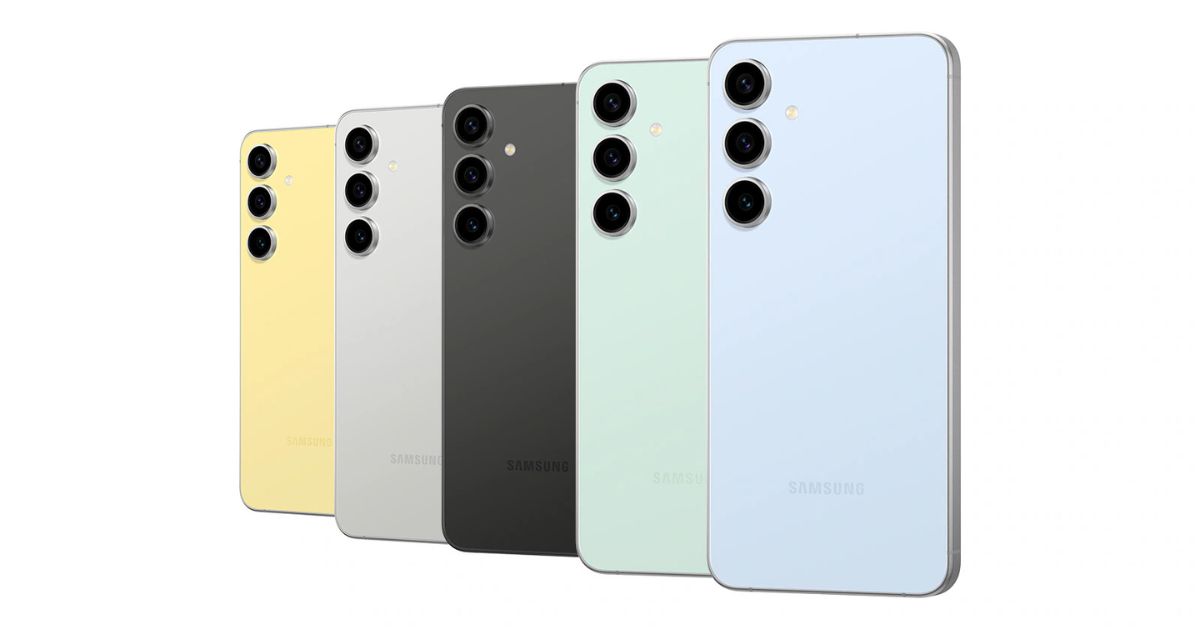
Best Low-Light Camera in Rs 60,000: iQOO 13 Is The Most Consistent, But Each Phone Has Its Own Strength
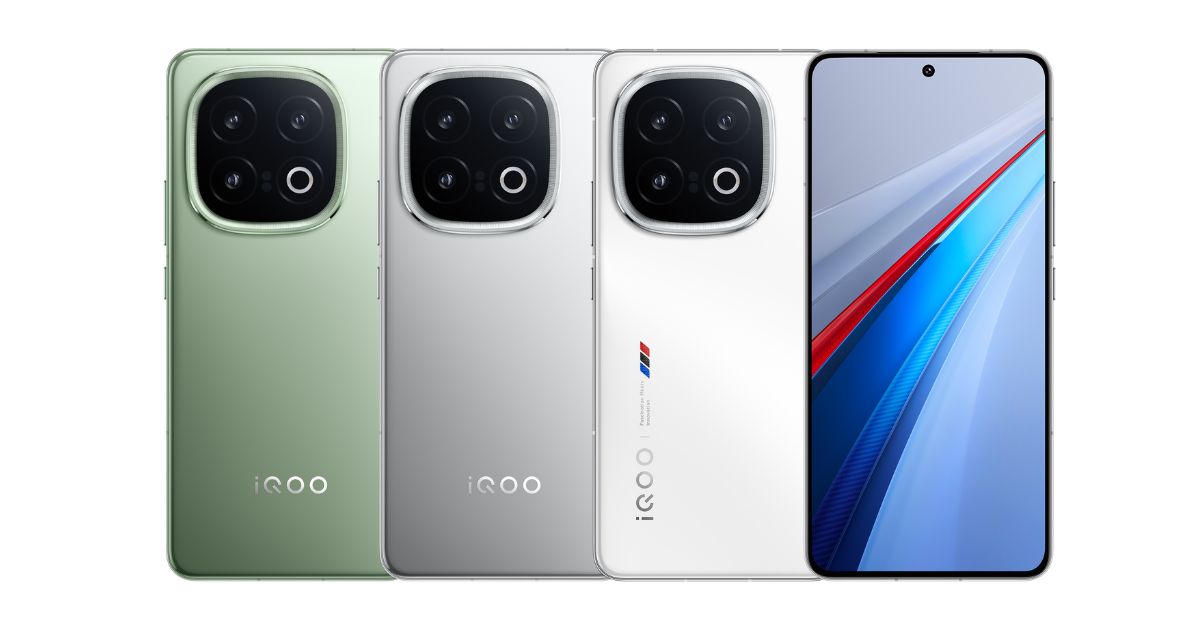
Different users prefer different styles of low-light photography. Here’s how these phones stood out in our testing:
| Use Case | Smartphone |
|---|---|
| Most Natural Photos | Google Pixel 8a |
| Brightest Night Shots | Realme GT 7 Pro |
| Best Overall Balance | iQOO 13 |
| Best Detail Retention | Motorola Edge 50 Ultra |
| Best Atmosphere Preservation | Samsung Galaxy S24 FE |
| Best Social Media Ready Photos | Realme GT 7 Pro |
| Most Consistent Results | iQOO 13 |
Things to Keep in Mind While Shooting in Low Light Situations
Most advice on this topic tells you to hold your phone steady and clean your lens. Those are fine starting points, but they do not tell you much. Here is what actually makes a difference in low-light smartphone photography, the way professionals think about it:
- Lock exposure before taking the shot: This helps the camera avoid constant brightness adjustments and reduces blur in dark scenes.
- Use your body for stability: Keep your elbows close to your chest or lean against a wall to reduce shaky shots.
- Tap on the main subject: Focus on the subject you actually want to capture instead of letting the phone expose the entire frame.
- Avoid digital zoom at night: Digital zoom increases noise and reduces detail. Move closer instead of zooming in.
- Use RAW mode if available: RAW photos keep more detail and give better editing flexibility in apps like Lightroom.
- Pay attention to light direction: Even a small light source in front of the subject can improve the image dramatically.
- Do not rely too much on flash: Flash can sometimes make photos look overly bright and unnatural, especially indoors.