Realme has just dropped a new budget phone in the Indian market, with the Realme 16T being the entry-level model in the brand’s Realme 16 lineup. For Rs 29,999, it carries some of the same DNA as the rest of the series, but at a more approachable price.
For the specs it offers, one could argue that the phone should have been cheaper. However, the ongoing memory crunch has made smartphones across different segments more expensive, and the 16T seems to be another victim of that shift. It would be easy to dismiss it just on that basis, but I can also see the ways Realme has tried to make this phone work despite those limitations. So here’s where it does a surprisingly good job, and where it clearly struck out.
Design: Realme 16 Series Looks, but with Added Bulk
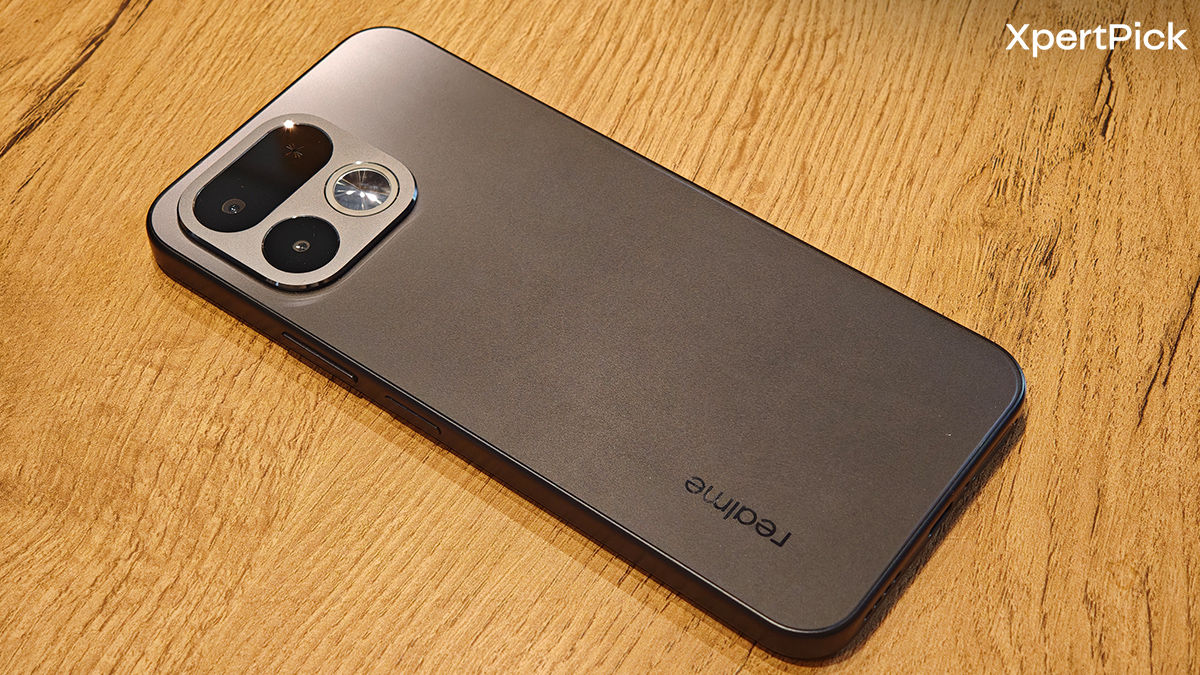
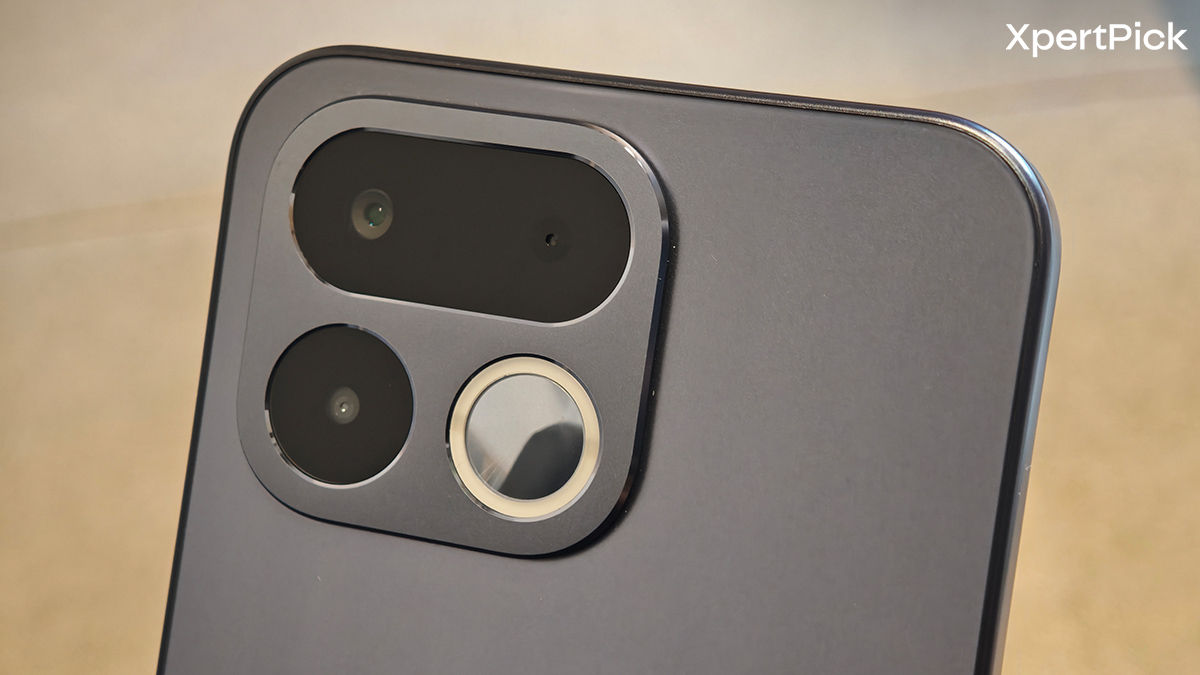
Right as you unbox the phone, the Realme 16 series DNA becomes obvious. The redesigned camera island makes a return, and the overall look feels familiar if you’ve seen Realme’s newer mid-range phones. OnePlus was the first to introduce this particular design language in the broader family, and Realme has adapted it well enough for its own lineup.
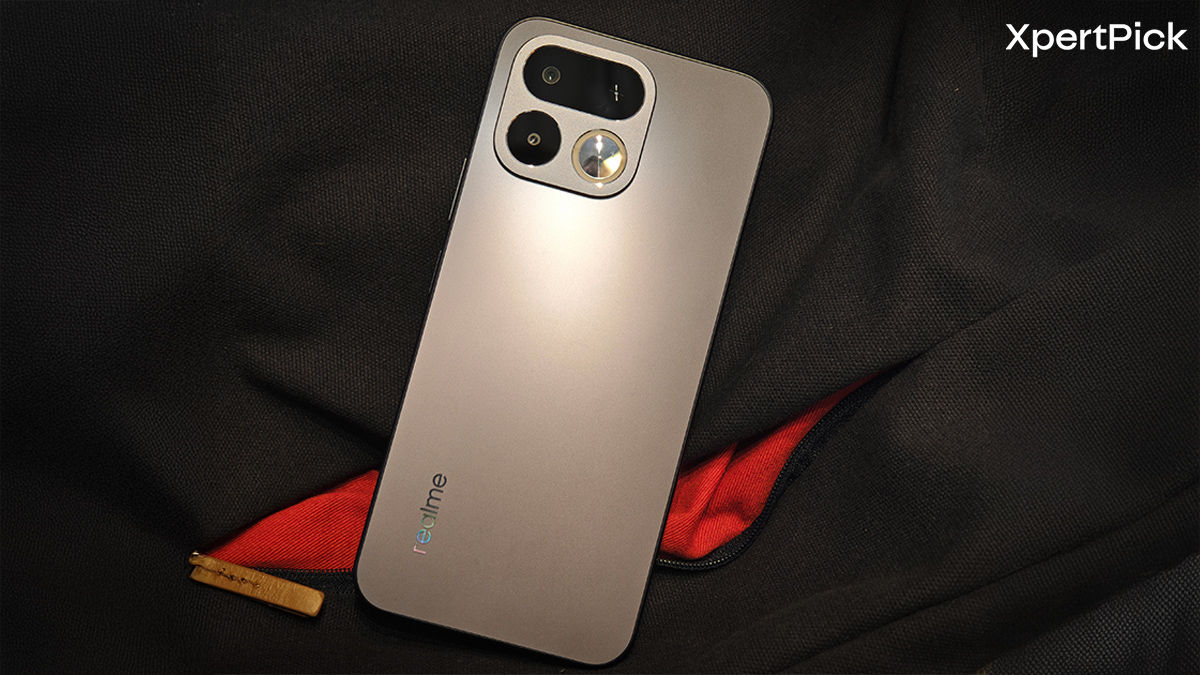
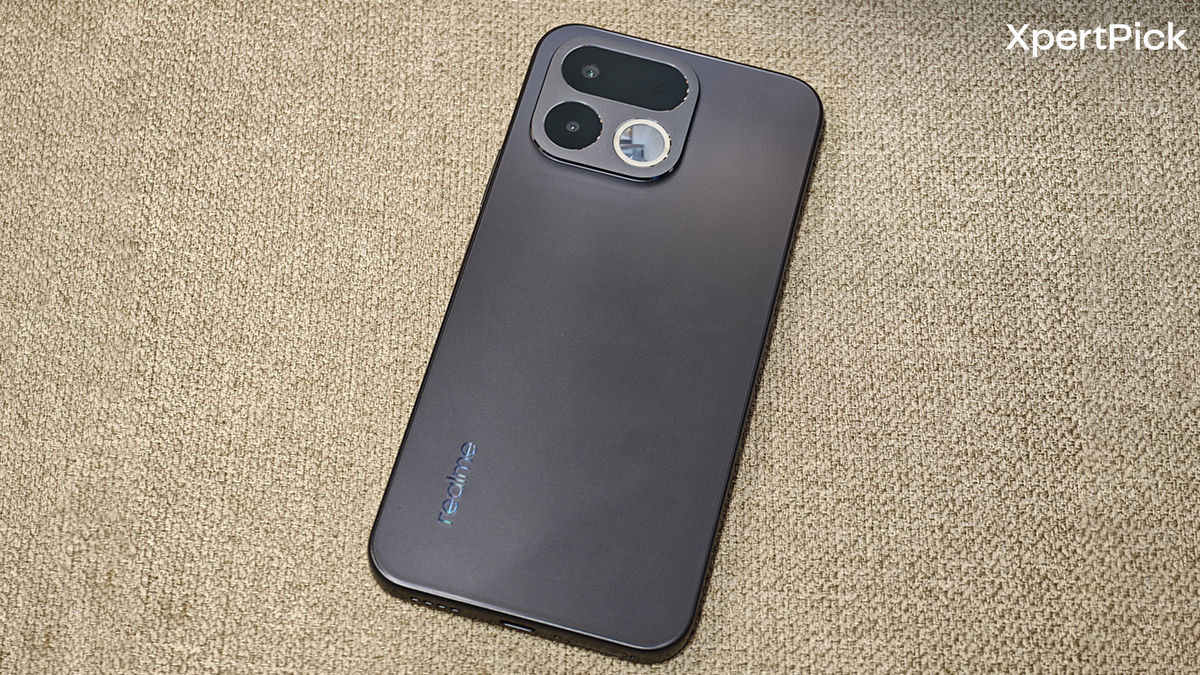
The design itself looks clean and elegant. The problem is that the actual build quality is where Realme makes the first obvious cut. The Realme 16T uses plastic for both the frame and rear panel. For the most part, this won’t bother you too much in daily use, especially since most people are likely to slap the bundled case on it anyway.
But you’d expect a plastic phone to at least feel light, and that’s not what happens here. At 8.8mm thick and 224 grams, the 16T has serious heft. You feel it the moment you pick it up, and you feel it even more if you try using it with one hand for a long stretch.
In this price range, the Infinix Note Edge tries to stand out with a slimmer, more stylish profile, while the Motorola Edge 70 goes even harder into that idea with its ultra-slim body and lightweight feel. The Realme 16T, by contrast, feels more old-school and functional. It doesn’t chase thinness or a premium hand feel. It gives you a big battery and a sturdy body, and asks you to accept the weight that comes with it.
Thankfully, Realme continues the good habit of including a protective case and a pre-applied screen protector in the box. Durability is also a strong point. The phone gets IP68 + IP69 Pro, which basically translates to strong water and dust protection, and that is genuinely reassuring at this price. So while the 16T doesn’t feel elegant in the hand, it at least feels prepared for rougher use.
Display: Tall Display that Trades Sharpness for Smoothness
A good display can make even an average phone feel better than it actually is. A bad display can do the opposite. Unfortunately, the Realme 16T falls closer to the latter. I can forgive an LCD panel at a lower price, because brands obviously need to cut costs somewhere. But at Rs 29,999, the HD+ resolution is hard to defend. It makes the phone feel much more entry-level than it should. Before even reading the spec sheet, I could immediately tell the difference after moving from phones with 1.5K panels.
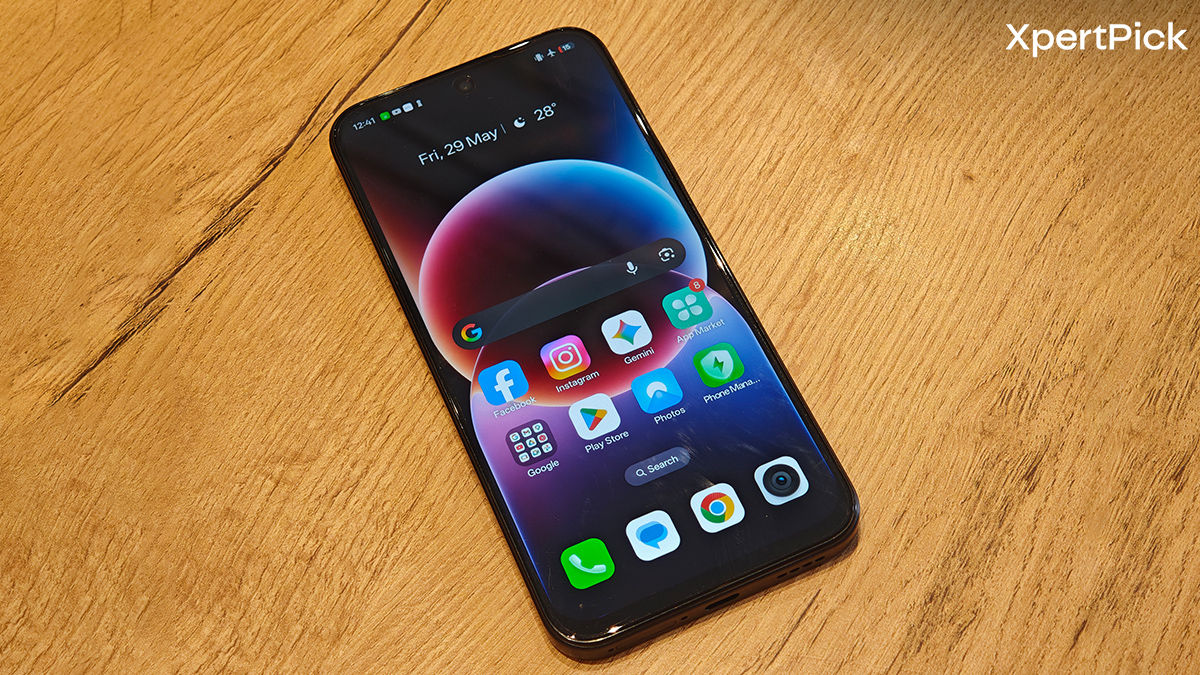
The display itself is a tall 6.81-inch panel, and Realme seems to have taken the “more is better” approach with size while forgetting that pixel count matters too. Text doesn’t look as crisp as it should, and media doesn’t have the sharpness you expect at this price. The thick bottom chin makes things worse, giving the front a cheaper look than the rest of the phone deserves.
The one saving grace is the 144Hz refresh rate. It does make scrolling and basic interactions feel smoother, and that helps hide some of the phone’s hardware limitations. Brightness maxes out at 1,200 nits, which is passable. You won’t struggle indoors or in moderately bright environments, but direct sunlight can make the screen harder to read.
Overall, the display is smooth and reliable for basic use. Just don’t expect punchy HDR colours, deep blacks, or the sharpness that many phones around this price are already offering.
Performance: Just Good Enough
MediaTek announced the Dimensity 6300 back in 2024, and it went on to power a bunch of budget and lower-midrange phones before being eventually replaced by the Dimensity 7300. By 2026, seeing it return in a phone priced close to ₹30,000 feels strange. It made more sense in something like the Oppo K14x, which costs a lot less. On the Realme 16T, the expectations are naturally higher.
Synthetic benchmarks
- AnTuTu – 614,835
- Geekbench – 784 (single) / 1,997 (multi)
- CPU Throttling – 91%
- PCMark (10-15 mins) – 10,567
These numbers don’t look impressive for 2026, but the real-world experience is better than I expected. Compared to the Oppo K14x, performance is more consistent. The phone isn’t fast, but it also doesn’t feel terrible in normal use.
For basic tasks, the 16T gets by well enough. Messaging, calling, social media, YouTube, and light multitasking don’t really cause major problems. The 144Hz refresh rate also helps make the UI feel smoother than the chipset alone would suggest. You will see occasional micro-stutters, but the phone rarely feels broken or frustrating.
Gaming is also better than expected, as long as your expectations stay realistic. BGMI on the lowest settings ran close to 59fps, while Asphalt 9 at high settings averaged around 56fps. Genshin Impact, thanks to improved optimisation, was playable at around 29fps, but Minecraft on high settings was basically not worth the trouble.
Compared to the Oppo K14x, the Realme 16T feels more consistent. But then you bring in the Motorola Edge 70, and the gap becomes obvious. The Edge 70 is much more powerful, feels far more premium in the hand, and is simply in a different class for performance and everyday polish.
Battery Life: The Biggest Reason to Care
Battery is easily the biggest talking point of the Realme 16T. Under the hood is a massive 8,000mAh cell, and that immediately gives the phone its clearest identity. This would’ve sounded even more impressive if the Realme P4 Power didn’t exist with its ridiculous 10,001mAh battery. Still, the 16T’s endurance does not disappoint. It achieved 21 hours and 26 minutes in the PCMark battery test, which is excellent for this segment.
In actual use, this translated to around 8 hours of screen-on time for me. With moderate use, the 16T gets close to being a two-day phone, though you’ll probably reach for the charger before the second day fully ends. If your use is lighter, it can stretch further.
Charging is handled by a 45W adapter included in the box. That’s nice to have, but with a battery this large, charging still takes around 1.5 hours. It isn’t painfully slow, but it also isn’t quick enough to make top-ups feel effortless.
Camera: One Usable Camera on the Rear, and even that has Limits
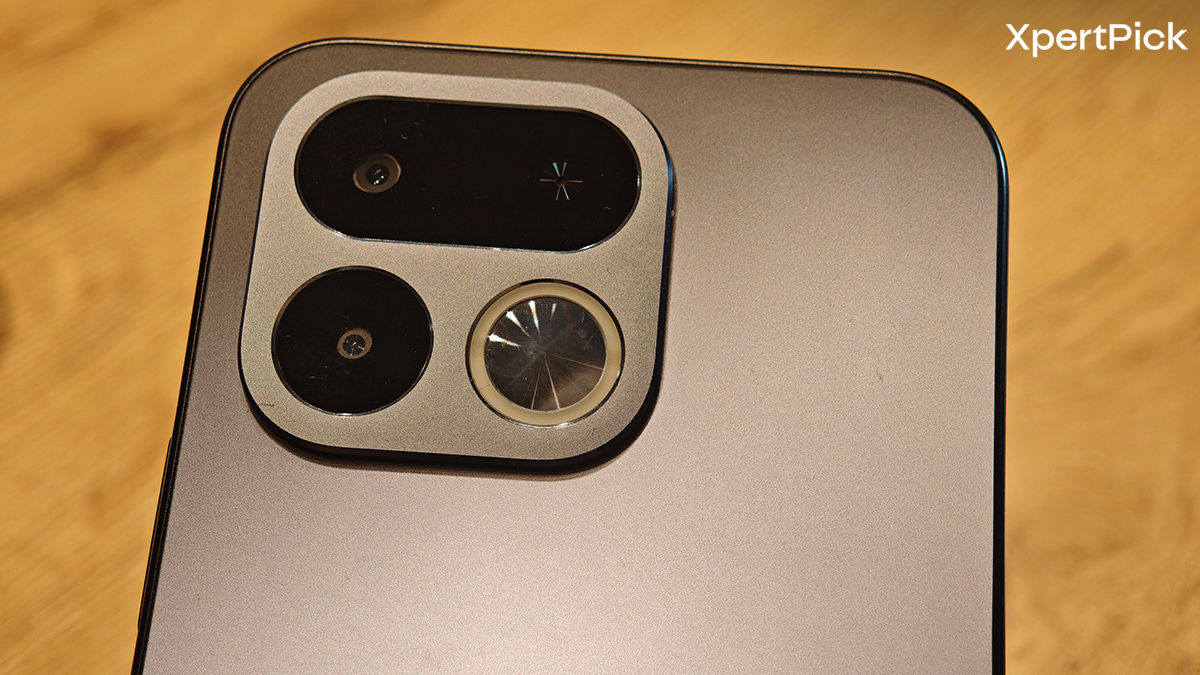
Over the last couple of months, I’ve reviewed a bunch of phones around or under the Rs 30,000 mark. One thing that keeps showing up in this range is a lack of camera versatility. Unlike last year, when phones like the Nothing Phone (3a) series offered multiple useful cameras, many early 2026 phones are back to offering one decent main camera and a weak secondary sensor. The Realme 16T sets a new standard here, and not in a good way.
Camera hardware
- 50MP 1/2.93″ Sony IMX852 main sensor (f/1.8 aperture)
- 2MP 1/4” monochrome sensor (f/2.4)
- 16MP 1/3” Sony IMX480 selfie camera (f/2.4)
As you can tell, you are basically shooting with one rear camera. The 2MP monochrome sensor is not something you’ll actively use, and it mostly exists to fill space on the camera module. The main camera is a tiny sensor, and it works best in good lighting. To its credit, daylight shots are decent. Colours lean warm and look more vibrant than real life, so quick social media uploads can look pleasant enough. Detail is acceptable if you don’t zoom in too much.
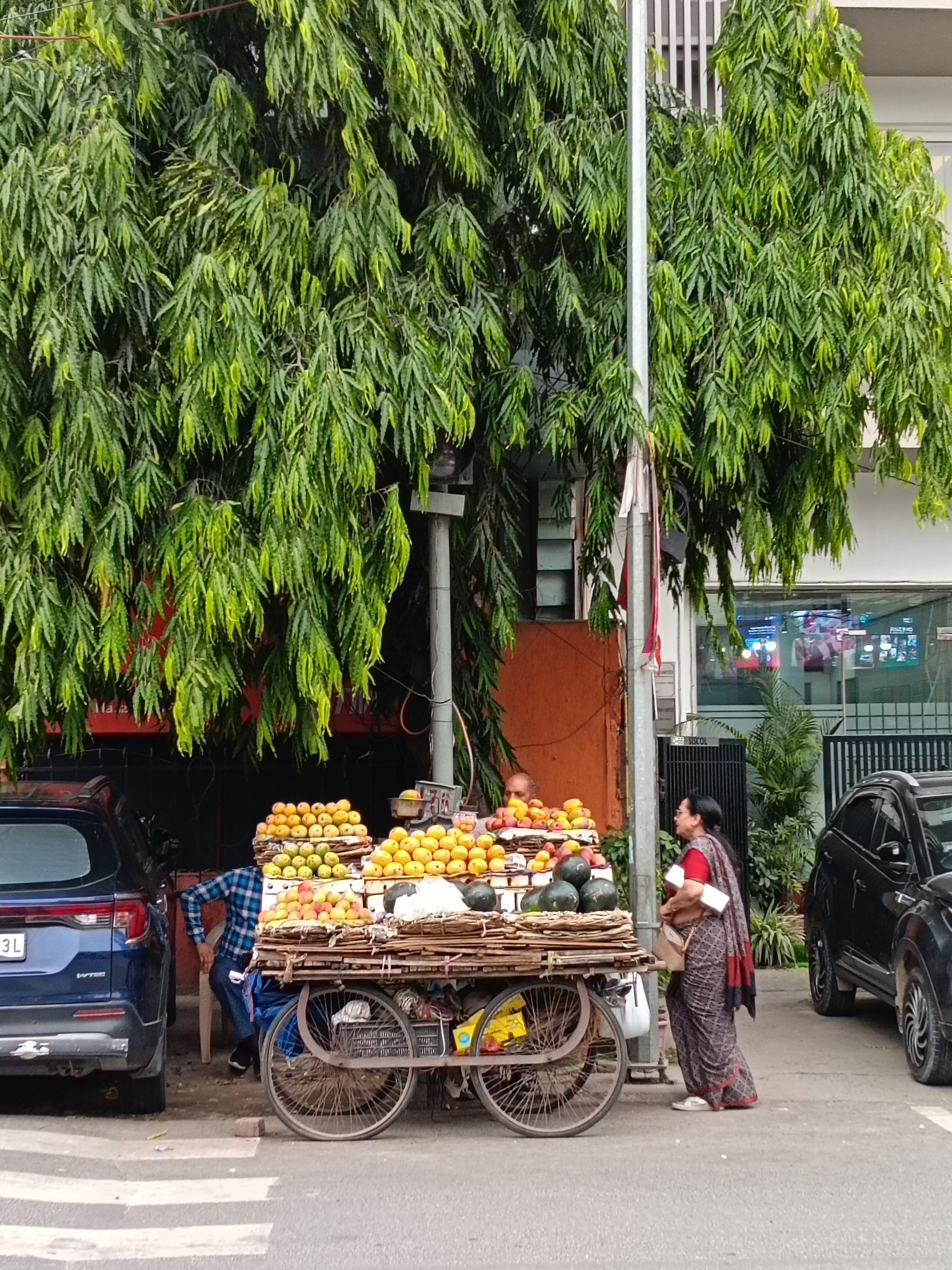

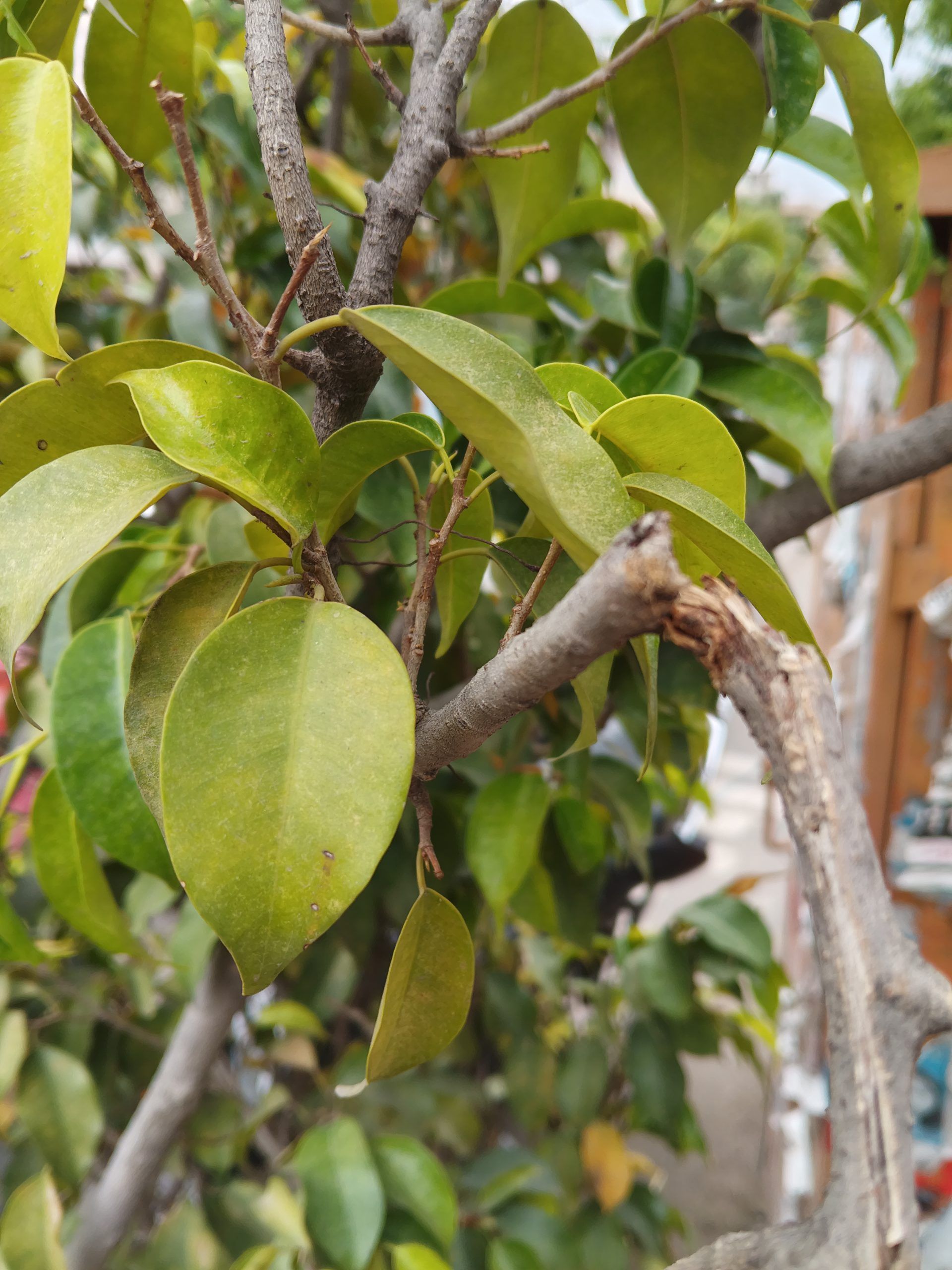
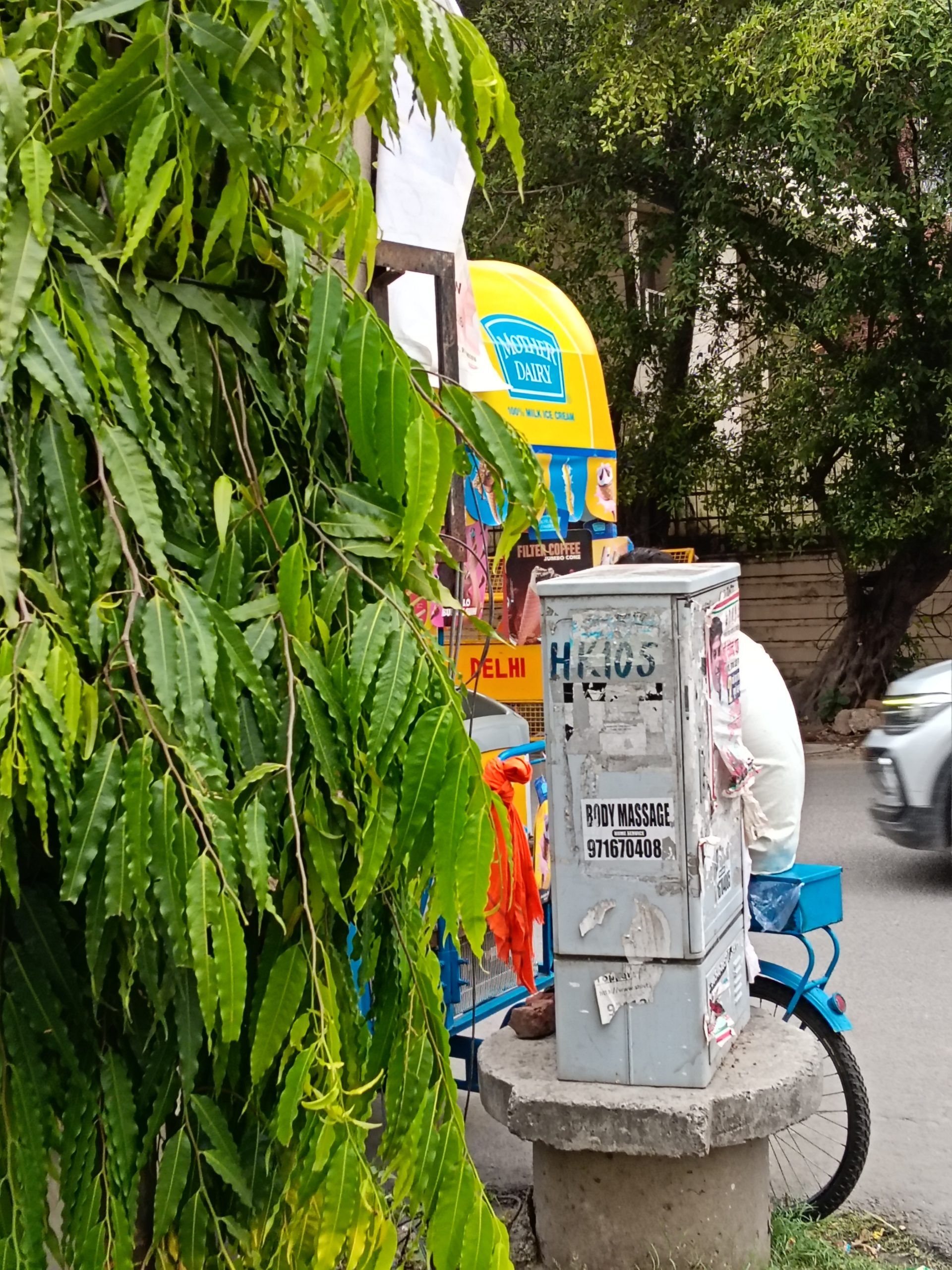
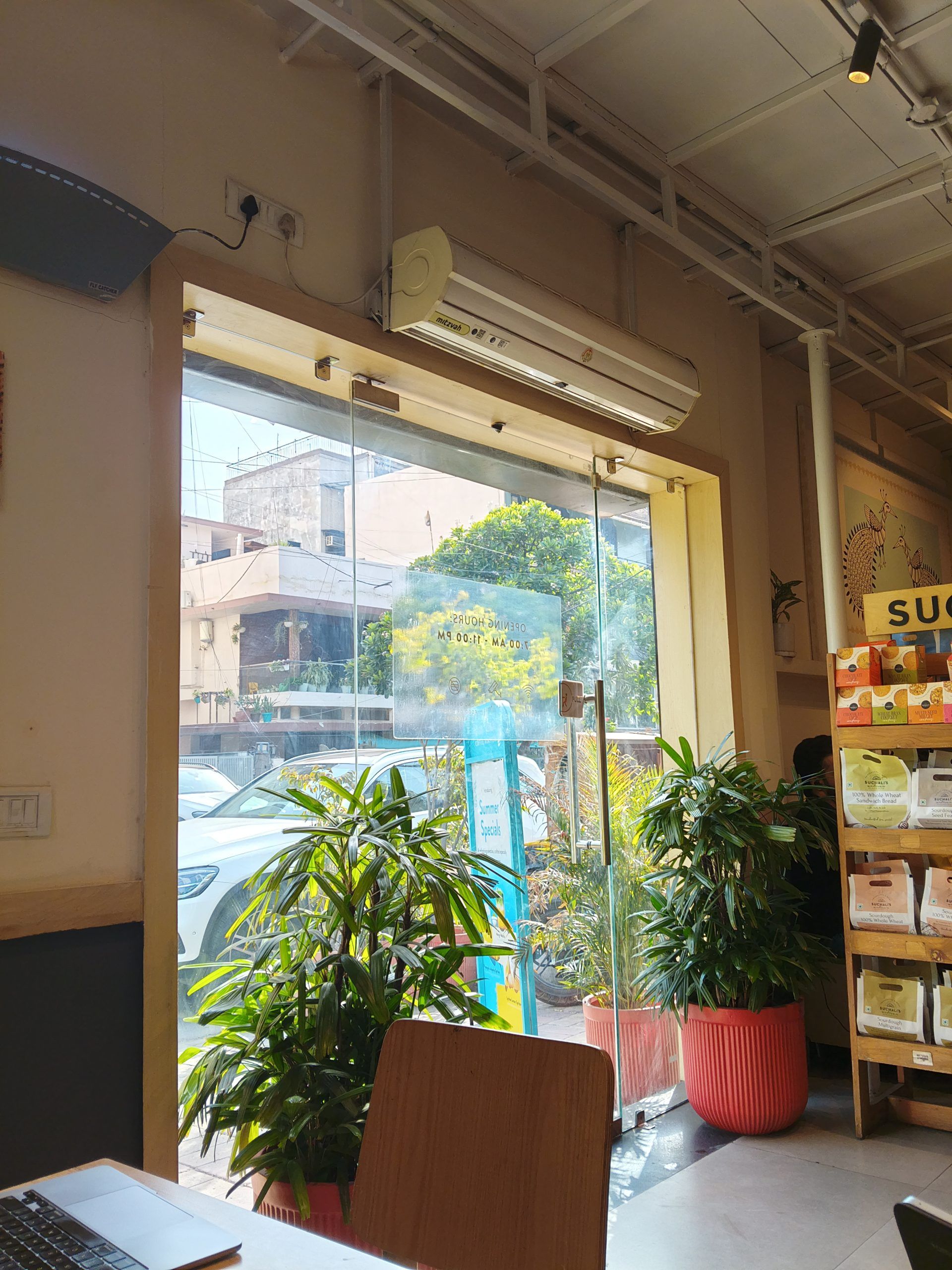

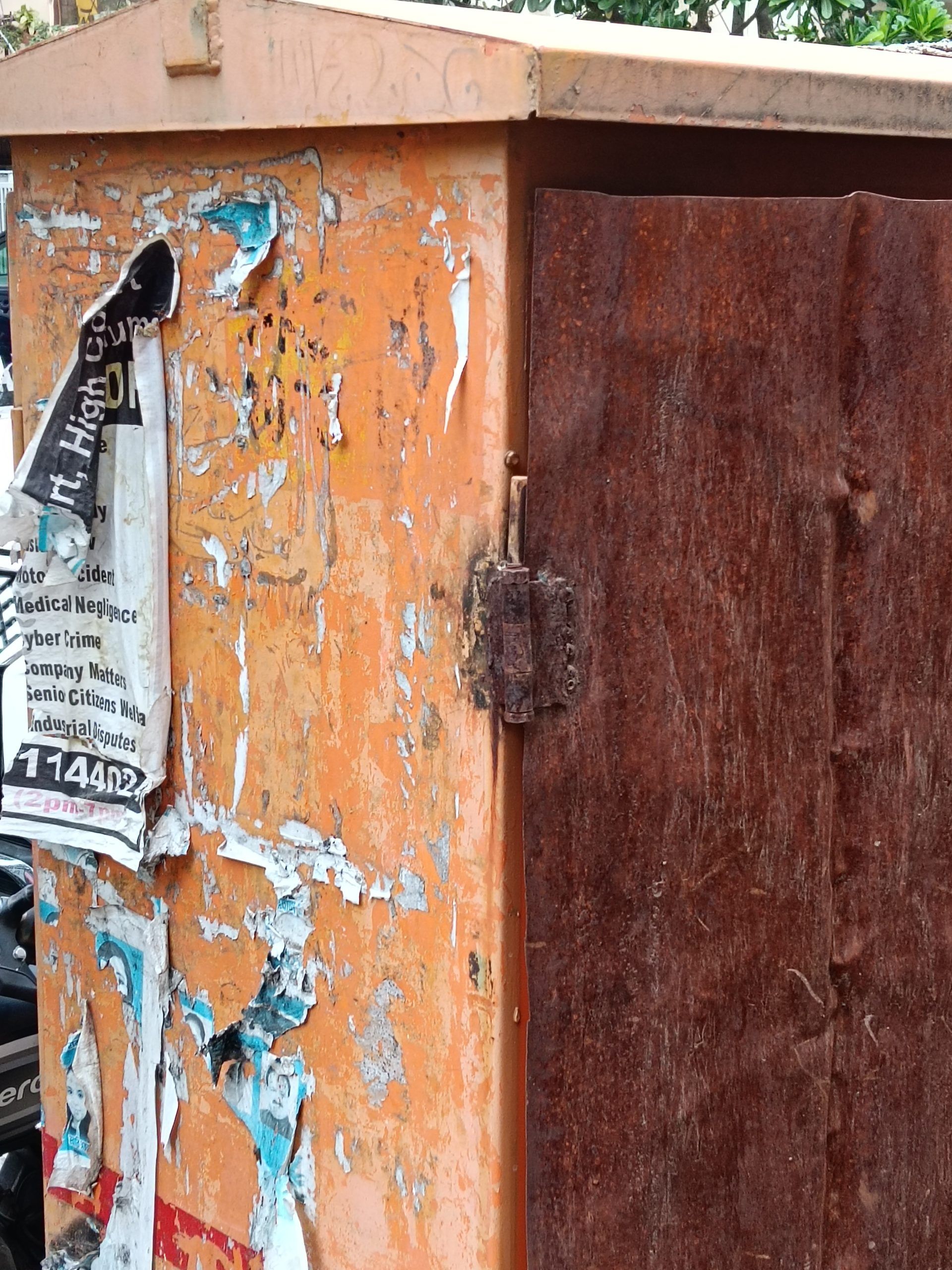
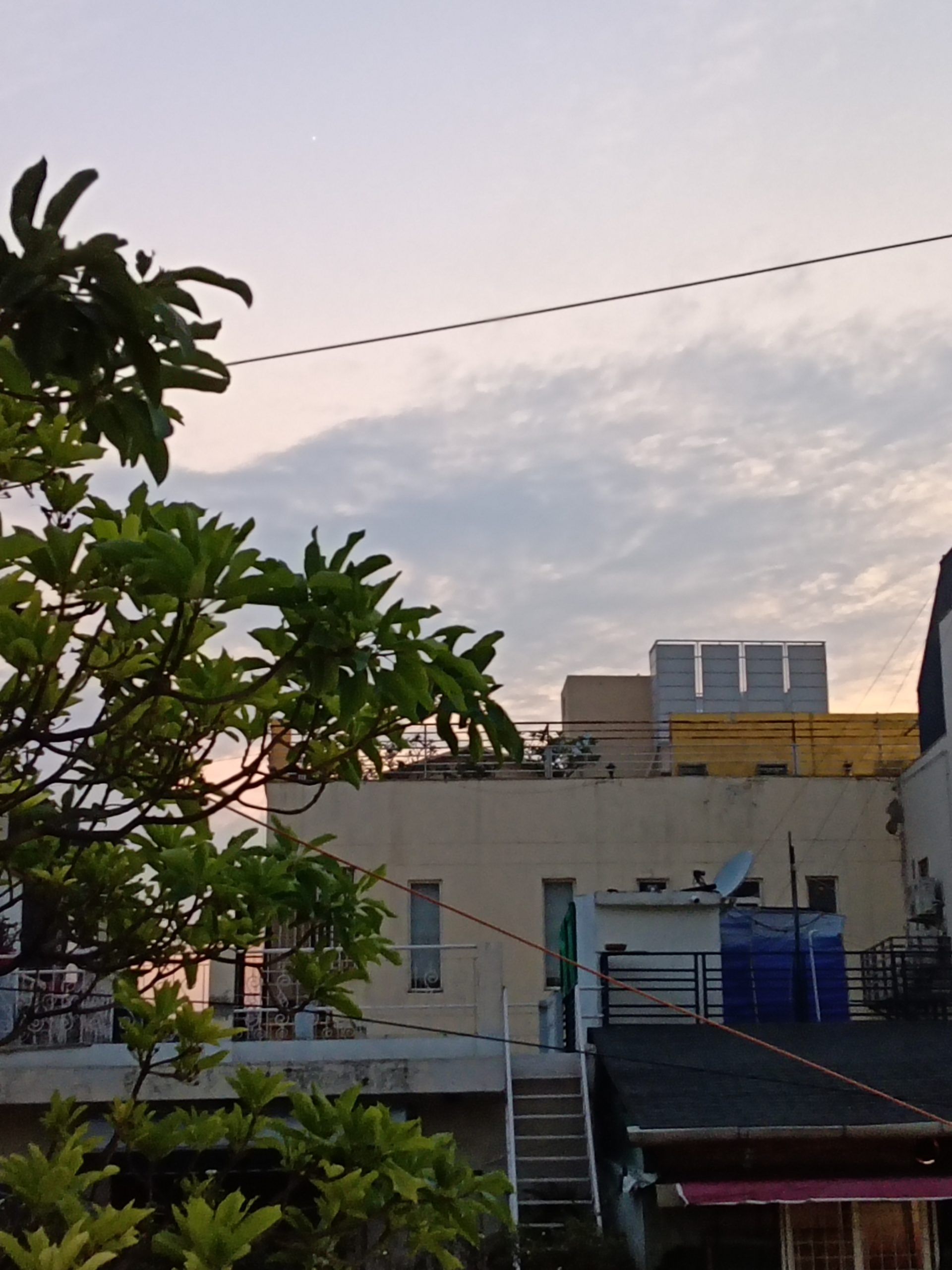
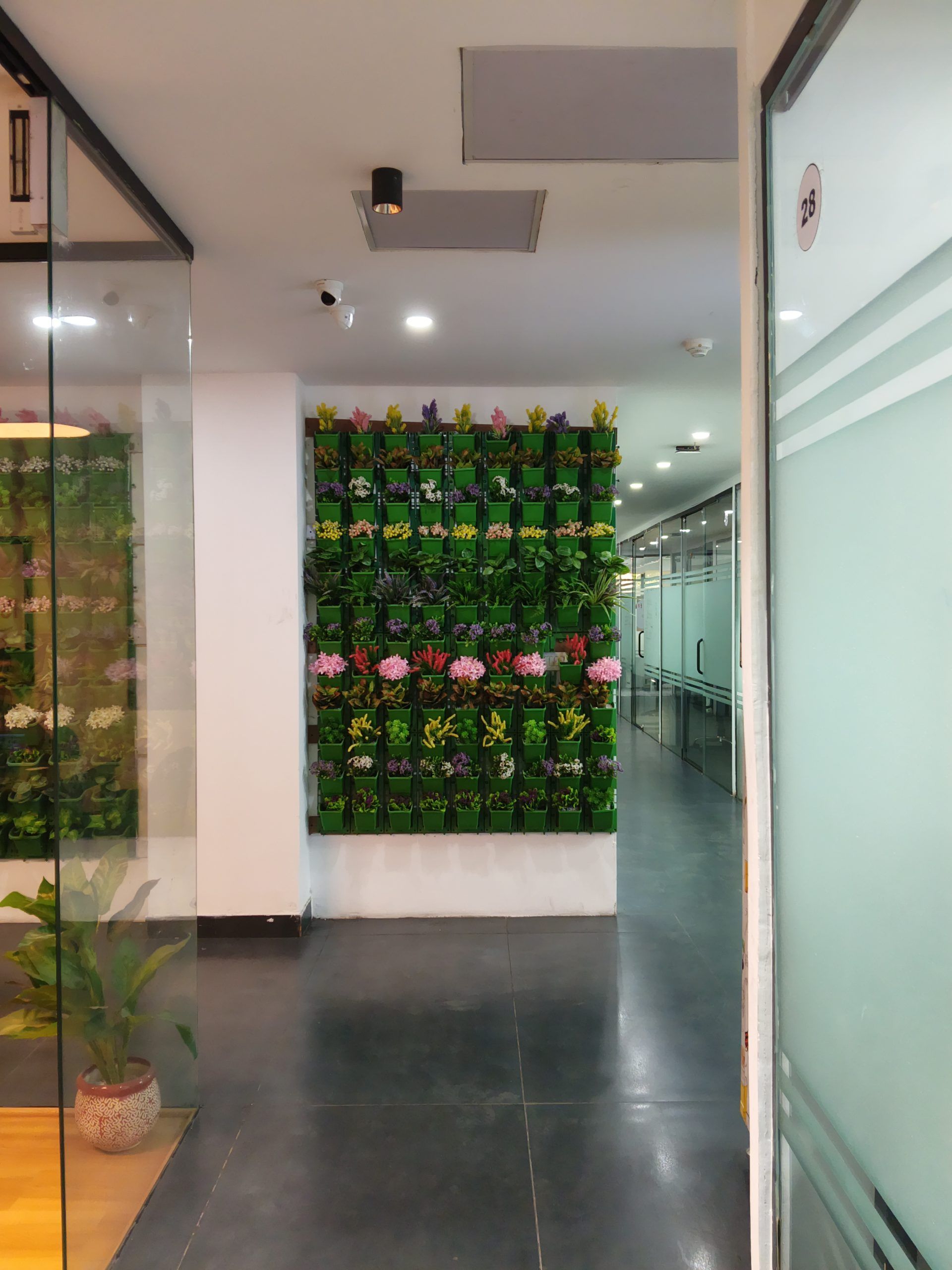
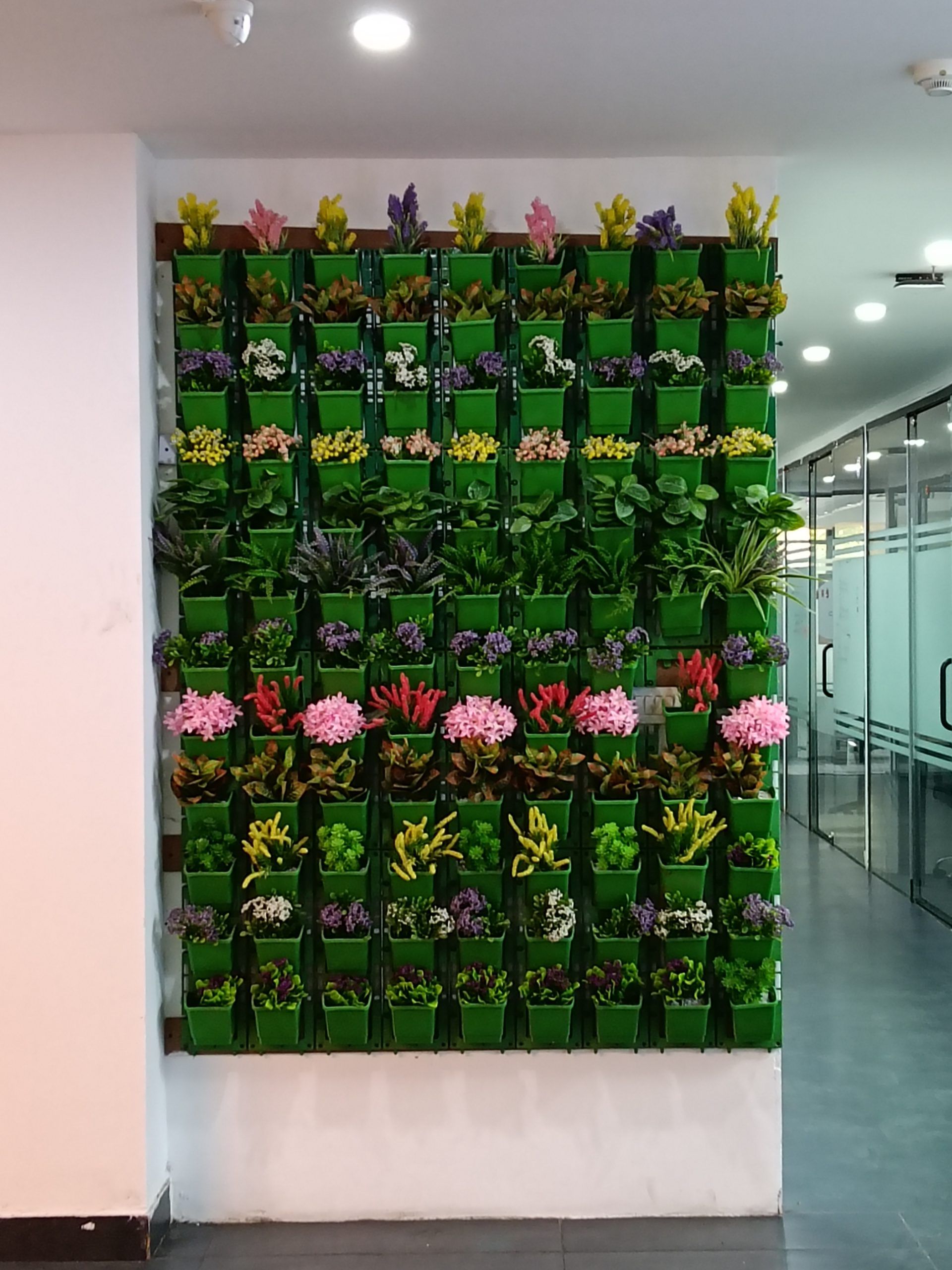
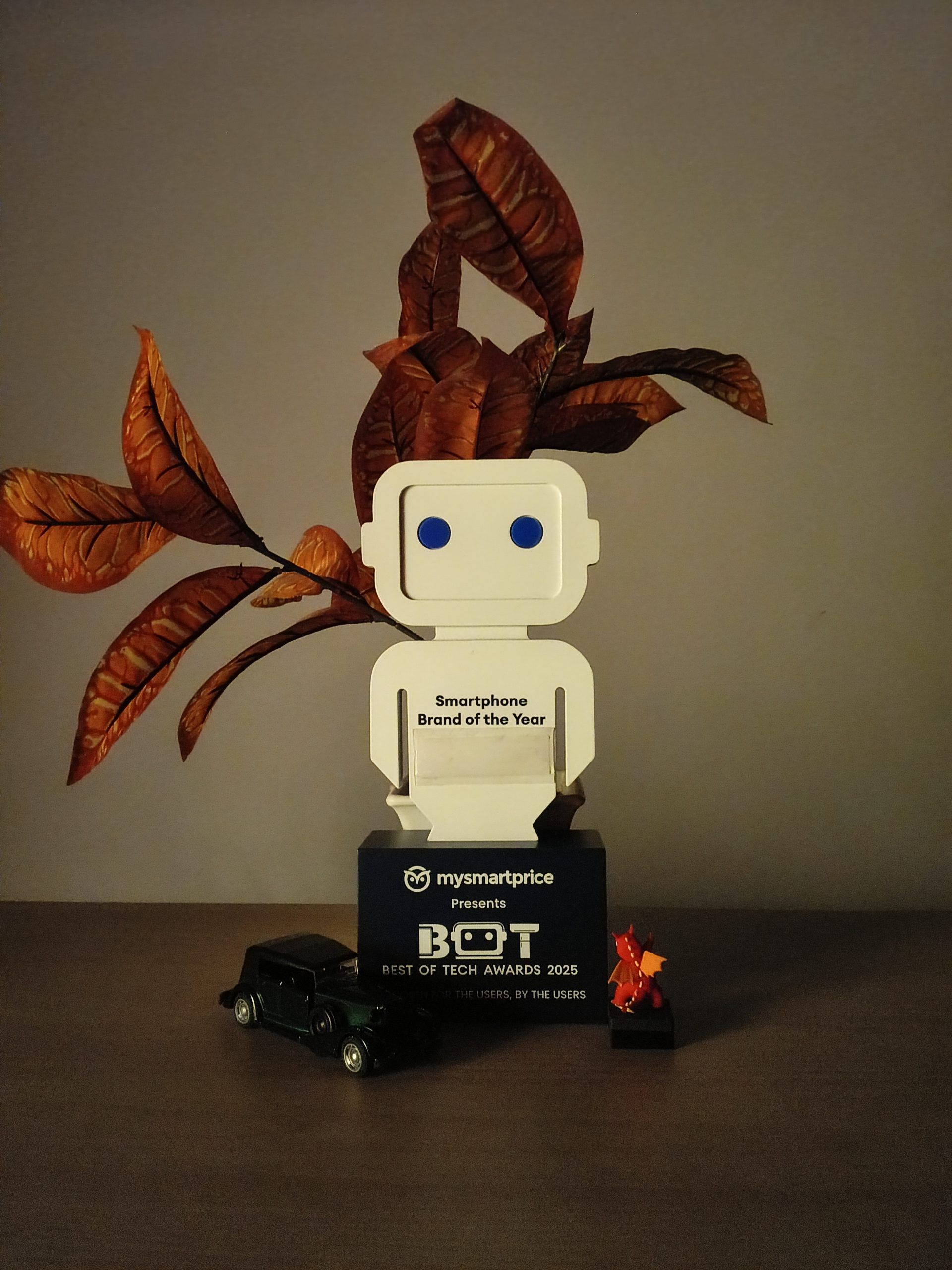

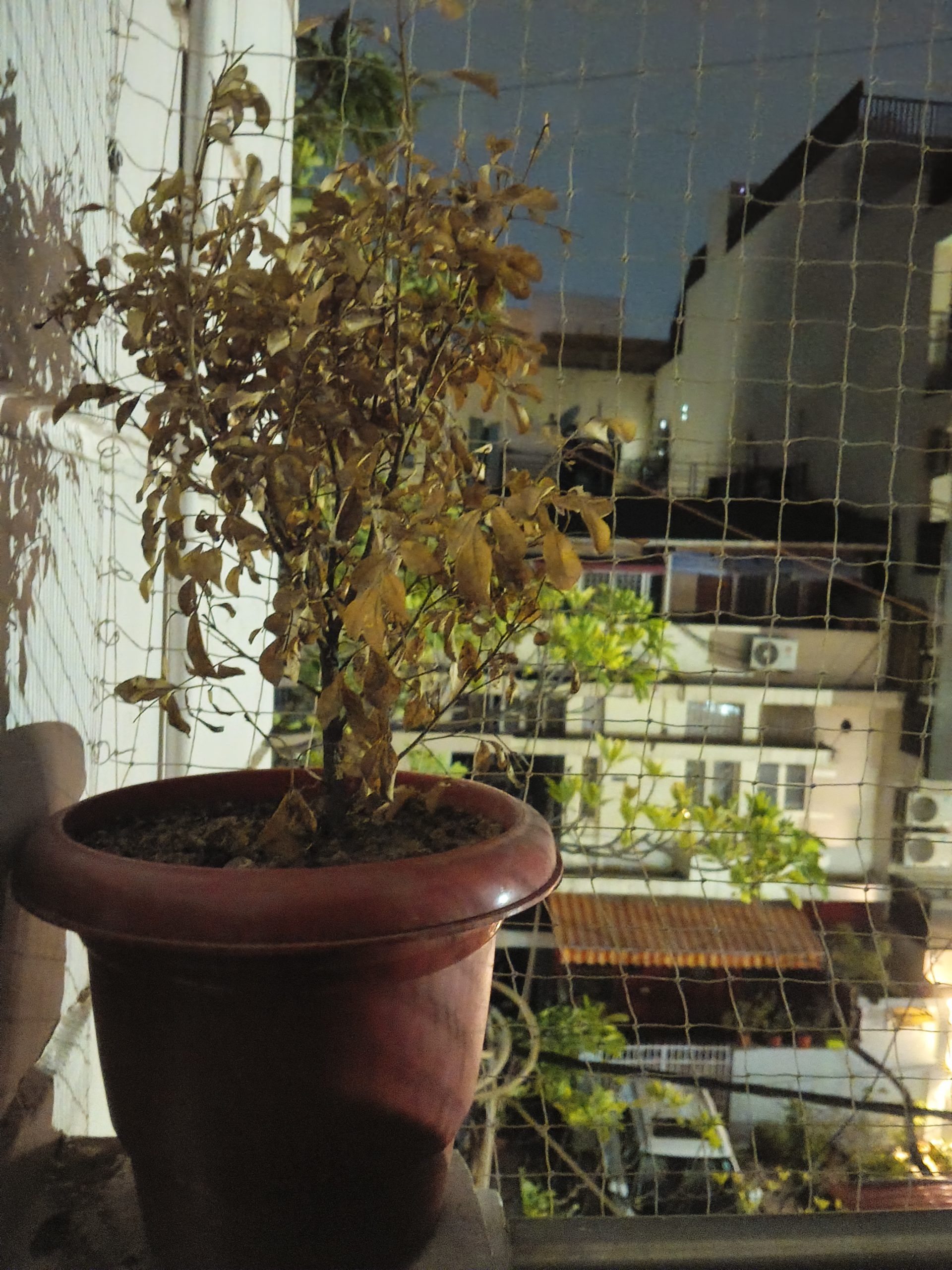

The 2x zoom option is just a digital crop and takes a noticeable hit in quality. Under artificial lighting, images aren’t particularly sharp, and noise becomes visible. In proper low-light conditions, the phone struggles to focus properly, colours lose depth, and the lack of stabilisation becomes very obvious. You need steady hands, even in daylight, to avoid smearing in some scenes.
Selfies are a little better than expected. Skin tones remain fairly realistic, and results are usable in good lighting. But again, the camera experience drops quickly once lighting conditions get worse.
This is where the 16T falls behind more convincing alternatives. The Realme 16 Pro, for a little bit more, offers a far more capable main camera setup. The Motorola Edge 70 gives you a more useful dual-camera system and much better overall polish. Even the Infinix Note Edge feels more fun to shoot with despite its own limitations. The 16T’s camera is fine for casual use, but not a reason to buy the phone.
Software: Realme UI 7 is Smooth, but the Clutter Hurts
The Realme 16T runs Realme UI 7, and if you’ve used recent Realme phones, the experience will feel very familiar. This is still an Oppo-adjacent skin at heart, so you get a lot of the same ColorOS influence in the animations, control centre, customisation options, and overall fluidity.
For the most part, the software experience is smooth and largely bug-free. I didn’t run into any major glitches during my time with the phone. Gesture navigation worked well, animations felt consistent, and the general responsiveness was better than the hardware might suggest. You also get the usual Realme UI customisation tools, from lock screen tweaks and wallpapers to icon styles.
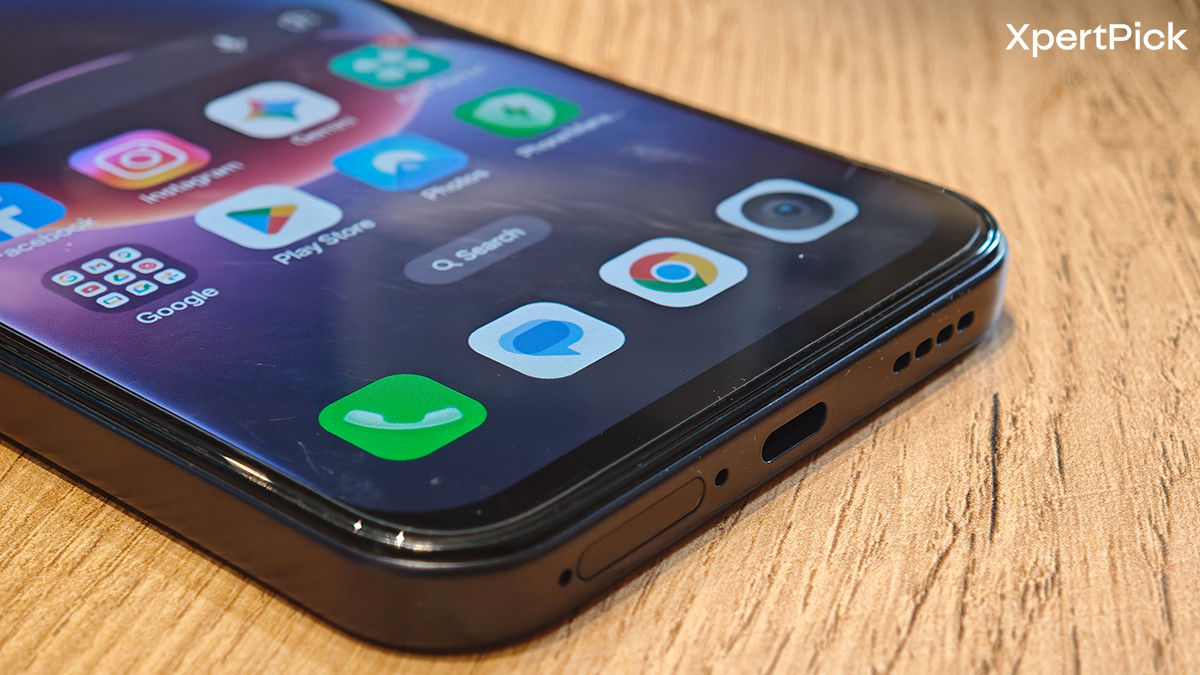
Realme also offers up to 10GB RAM expansion, though this is one of those features that sounds better on paper than it feels in actual use. It can help keep more lightweight apps parked in memory, but it doesn’t magically turn the Dimensity 6300 into a stronger chip.
The Realme 16T also comes with some baggage. It is packed with preloaded apps and games, and while most of them can be uninstalled, the first-boot experience seems cluttered. The UI itself is not bad, but the bloatware and some promotional clutter make the phone feel cheaper than its price tag would suggest.
Verdict
The Realme 16T feels like a phone built around one clear strength, which is battery life. At Rs 29,999, it gives you a huge 8,000mAh cell, solid durability, smooth enough software, and reliable performance. But the pricing makes its positioning difficult. The HD+ LCD panel, bulky body, basic cameras, and older chipset all feel harder to ignore once you cross into this price range.
So, should you buy the Realme 16T? Only if battery life is your top priority and you find it at a strong discount. The Realme P4 Power makes more sense if you want the biggest battery possible. The Infinix Note Edge offers a more stylish design and better display. The Motorola Edge 70 is simply the better phone if you can spend around this amount, with stronger performance, a slimmer and more premium design, dual cameras, and double the storage. The Realme 16T isn’t a bad phone, but at ₹29,999, it feels like a safer buy only after the price drops.
Pros
- Excellent battery life
- Strong durability rating
- Smooth enough everyday performance
- 144Hz refresh rate helps the UI feel fluid
- Case and screen protector included
Cons
- HD+ LCD display feels weak at this price
- Heavy and bulky design
- Cameras lack versatility
- Preloaded apps and games hurt the experience
- Better alternatives exist at around the same price