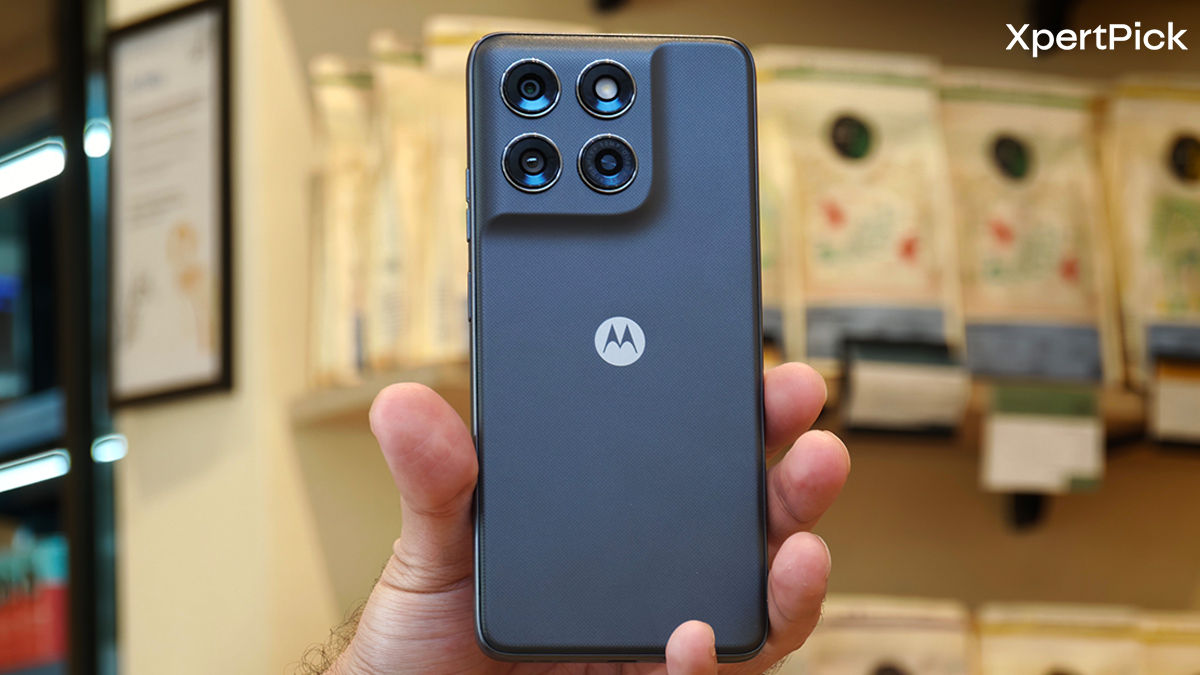
Aside from its flagship Signature, Motorola also unveiled two mid-range models from the Edge 70 lineup in India. Now, the latest device to join the brand’s 2026 portfolio is the Motorola G37 Power, a budget smartphone with a clear focus on endurance.
Despite the ongoing memory crunch, Motorola seems to be trying to offer a rounded experience in an affordable package. However, with several recent budget and lower mid-range phones struggling to strike that balance, I was curious to see if the G37 Power could avoid the same trap. The short answer is yes, mostly. But this is still a budget phone, and the compromises are not hard to spot.
Design: Recognizable Motorola Look with Budget Materials
If you’ve seen the Edge 70 Pro, Motorola Signature, or basically any recent Motorola phone, the G37 Power will look immediately familiar. It follows the same broad design direction, with a boxy body, slightly curved edges and corners, and a raised camera module at the back with a square-like camera layout.
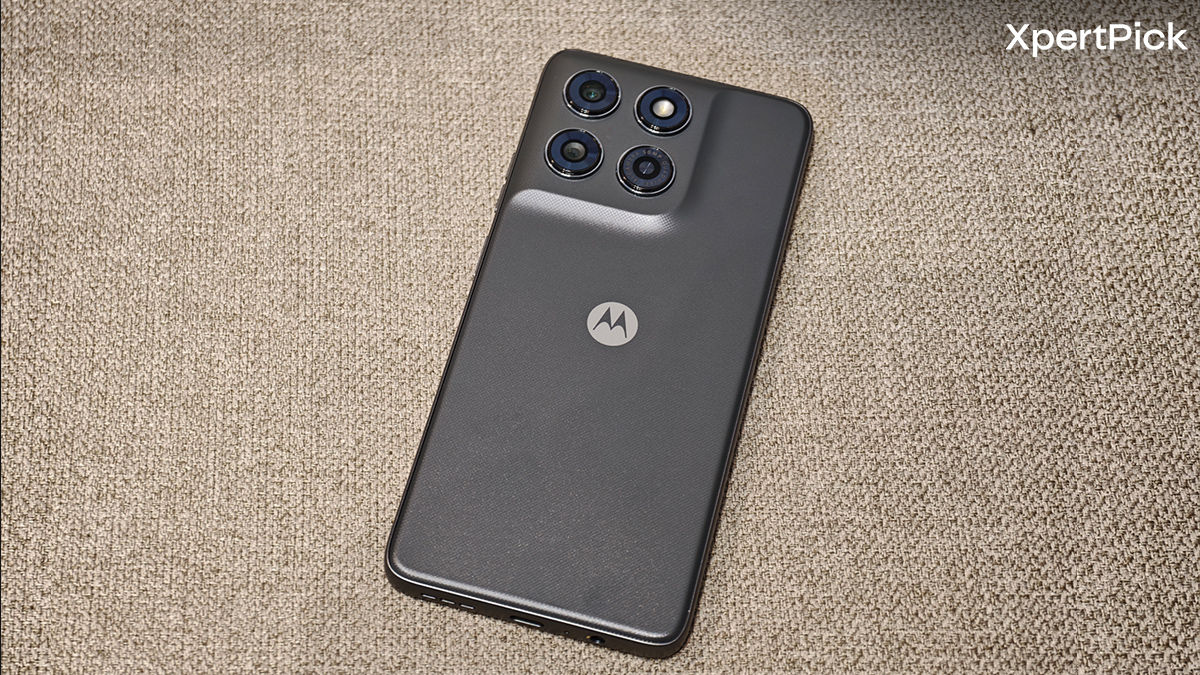
The “M” logo on the back makes the family resemblance even clearer. But while it may resemble Motorola’s more premium devices from a distance, the materials are obviously more budget. You get a plastic rear panel and a plastic frame, which is expected at this price. I don’t mind that too much, since most buyers will likely use the phone with a case anyway. What’s harder to ignore is the weight.
At 8.89mm thick and around 215 grams, the G37 Power feels chunky. For a phone with a plastic chassis, it feels heavier than it should. Long one-handed use can get tiring, and this is not the kind of device you forget is in your pocket.
That said, the durability story is decent. The phone gets an IP64 rating for dust and water resistance, along with MIL-STD-810H certification. I wouldn’t call it rugged, but it should be good enough for everyday spills, dust, and rough handling.
My review unit came in the PANTONE Impenetrable finish, which is basically grey, and it is easily the blandest-looking variant of the lot. I can still see it being the more popular choice because it’s safe, but the light blue and dark blue options are more interesting. Those versions also get a vegan leather rear panel, which should make them feel better than most entry-level smartphones.
Compared to smartphones like the Infinix Note Edge, the G37 Power doesn’t look as modern or stylish. The Infinix phone tries harder with its slim profile and more distinctive design. Motorola’s own Edge 70 is also far ahead in hand feel, thanks to its much slimmer and lighter body. The G37 Power is more functional than fashionable, and that’s fine for the price, but it doesn’t hide its budget roots.
Display: No OLED, and Not Even Full HD
When brands try to bring prices down, the display is usually one of the first areas to take a hit. With rising component costs, OLED panels at this price are now much harder to expect. That part is understandable. What’s more annoying is that Motorola is still using an HD+ resolution here.
The phone has a large display, but the lower resolution makes it feel more basic than it should. Text isn’t as crisp as it could be, and the lack of sharpness becomes obvious if you’re coming from a Full HD or 1.5K phone. The large bottom chin and chunky bezels also make the front look very budget.
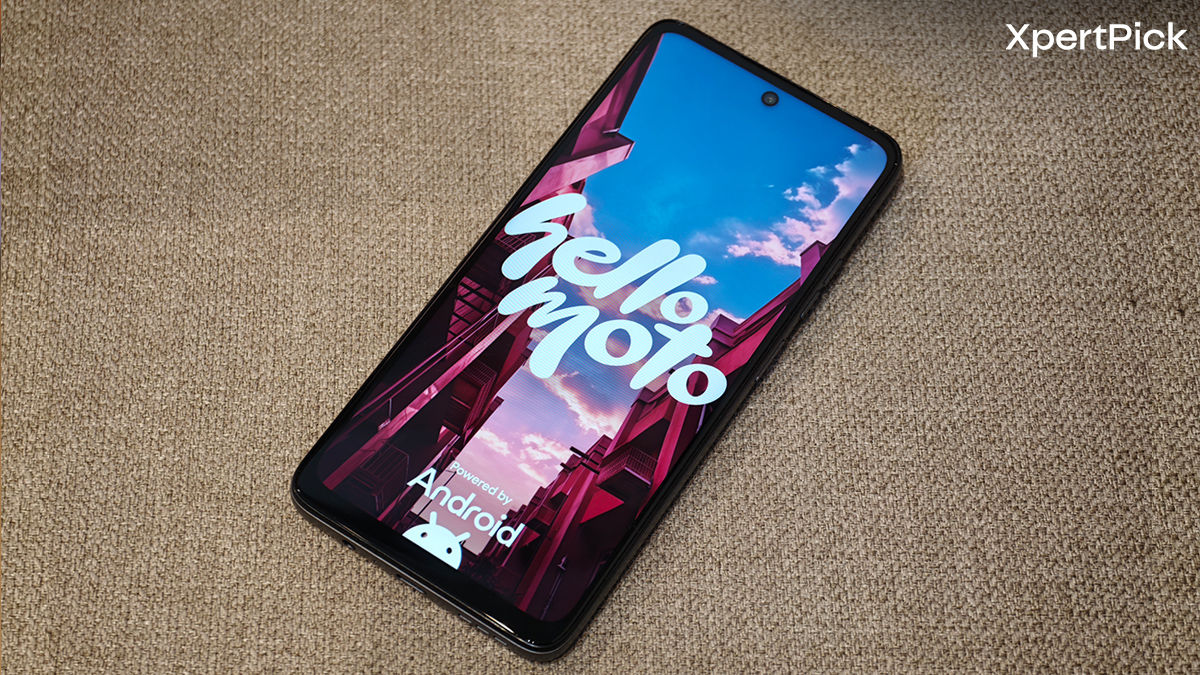
The viewing experience isn’t terrible, though. The 120Hz refresh rate helps interactions feel smooth, and colours are relatively vivid for an LCD panel. Peak brightness is rated at 1050 nits, and it gets bright enough for most indoor and outdoor situations. Direct sunlight still makes legibility a bit challenging, but it isn’t unusable.
For protection, Motorola has used Corning Gorilla Glass 7i, which is nice to see at this price. That’s the same protection you’ll find on several more expensive mid-range phones, so at least the panel isn’t completely barebones.
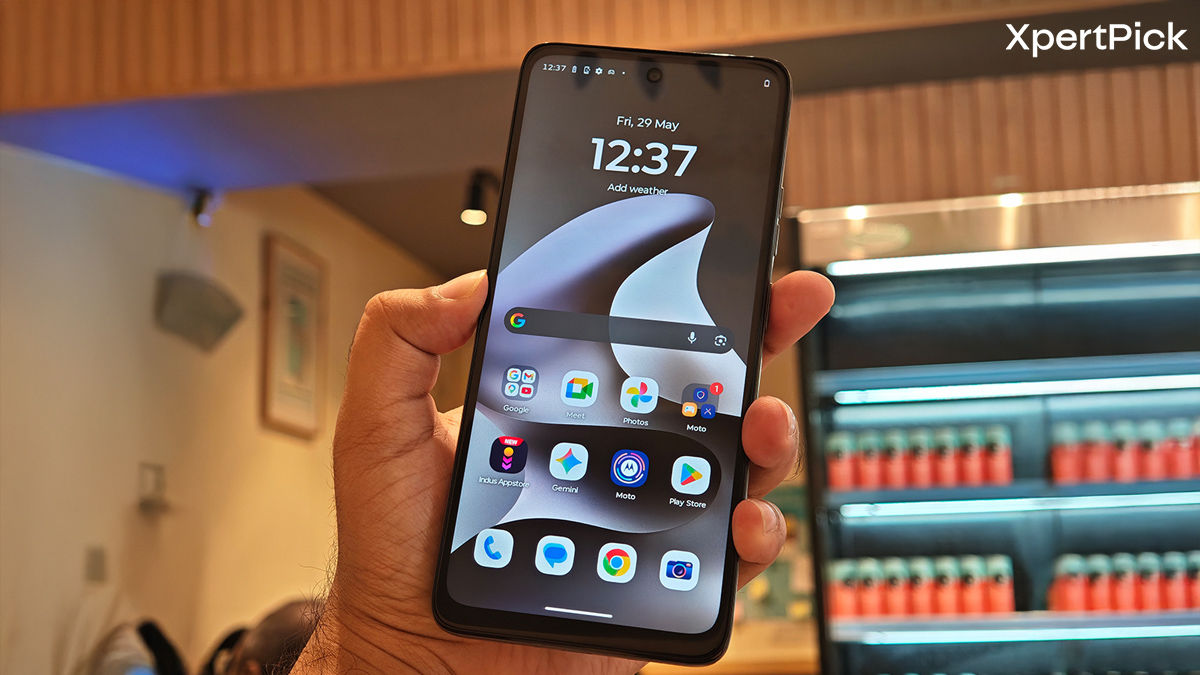
Overall, the display is just fine. It isn’t special, and it certainly doesn’t feel premium, but it gets the job done. Videos, scrolling, and casual browsing are all perfectly manageable. Just don’t expect sharpness, deep blacks, or the kind of punchy contrast you’d get from an OLED panel. This is in line with other models in this category. Considering how models that cost nearly twice as much (Realme 16T) have the same display specs, the G37 Power’s display hurts a little less. For a little more money, devices like the Infinix Note Edge offer a higher resolution and an AMOLED panel now.
Battery life: Massive Cell that Keeps You Powered Up
As the name suggests, the main highlight of the Motorola G37 Power is battery life. A massive 7,000mAh cell powers the phone, which already puts it ahead of some budget rivals like the Infinix Note Edge and Oppo K14x on paper.
However, this isn’t quite the standout endurance champion I was hoping for. In the PCMark battery test, the phone lasted around 16 hours and 12 minutes, which is good, but lower than what I’ve seen from some other phones with similar or even larger batteries.
In day-to-day use, that translates to around 7 hours of screen-on time. This is enough to get through a full day comfortably, even with some gaming, camera use, and social media scrolling. Lighter users should be able to stretch it further, but this doesn’t quite reach the effortless two-day confidence that the battery size might suggest.
It is still reliable, and for a phone starting at Rs 15,999, that matters. But after using phones like the Realme P4 Power and Realme 16T, both of which push the huge battery narrative even harder, the G37 Power’s endurance feels good rather than exceptional.
Performance: Not Awfully Slow and Not Surprisingly Fast Either
You don’t really expect too much from a budget phone when it comes to performance. What matters more is whether it can handle everyday basics without constantly getting in the way. It needs to be smooth enough for messaging, calls, social media, some multitasking, and the occasional game. Motorola understands this, which is why the G37 Power uses the MediaTek Dimensity 6400, paired with 128GB of UFS 2.2 storage and either 4GB or 8GB of LPDDR4X RAM.
Synthetic benchmarks
- AnTuTu – 572,175
- Geekbench – 825 (single) / 1,354 (multi)
- PCMark (10-15 mins) – 12,574
Just like the Realme 16T, these numbers aren’t exactly impressive. But real-world use is more capable than the benchmarks suggest. Daily tasks like messaging, calling, browsing, watching videos, and using social media are handled well. There are occasional lags when opening heavier apps or switching between them quickly, but the phone usually remains smooth enough.
Gaming follows the same pattern. BGMI averaged around 59fps, which is perfectly playable for casual sessions. Asphalt 9 on the highest setting averaged around 52fps, though the frame drops were more noticeable, with the 5% lows dipping into single digits. Genshin Impact had a similar story, averaging around 27.9fps, but with drops as low as 5fps when scenes got busy.
In other words, you can play games on the G37 Power, but it is not designed for gaming. Casual titles and lighter sessions are fine, but heavier games quickly reveal the phone’s limits.
Compared to the Oppo K14x, Infinix Note Edge, and Realme 16T, the overall performance sits in the same general budget category. The G37 Power doesn’t suddenly pull ahead in a dramatic way, but it feels stable enough for the price. The Vivo T5x, however, is clearly faster and offers more horsepower if performance is your priority in this segment. So while Motorola gets the basics right, this is not the phone to buy if you want the most powerful option under Rs 20,000.
Camera: Entry-level Camera Hardware that Does Enough
Similar to the rest of the phone, the camera hardware is also entry-level. Despite what the rear design might suggest, there is only one actual image sensor on the back, and it performs about how you’d expect for the price.
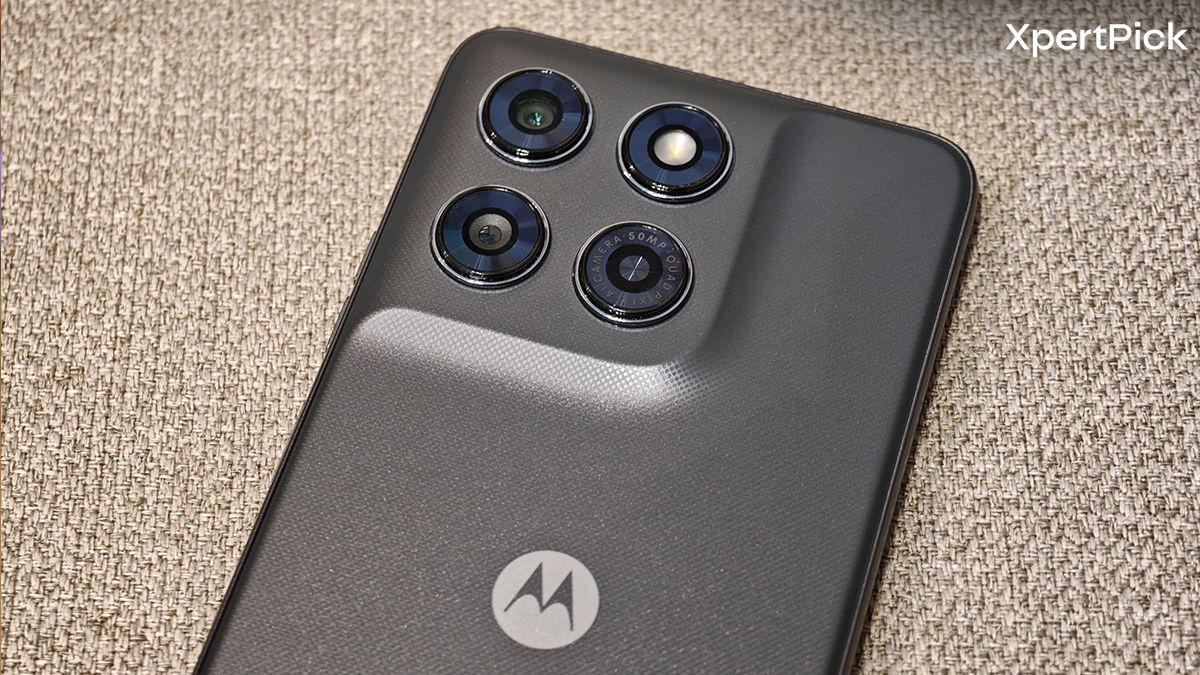
Camera hardware
- 50MP 1/2.88 main camera (f/1.8)
- 8MP selfie camera (f/2.0)
Since there’s only one rear camera, that’s all you really have to rely on. In good lighting, the Motorola G37 Power takes pleasant-looking shots with a vibrant tone. Colours lean warmer, and detail is decent enough for casual use. Skin tones also look surprisingly realistic, which is something Motorola has been fairly consistent with across its recent phones.
Although the limitations are easy to spot. Even in proper daylight, some images show an oil-paint-like texture when you zoom in. The 2x zoom toggle is just a digital crop, and using it makes the softness more obvious.
Portrait shots are decent for a budget phone. Edge detection is respectable, and the background blur doesn’t look too messy most of the time. Since there’s no depth sensor doing anything meaningful here, most of the effect comes from software, but Motorola handles it well enough.



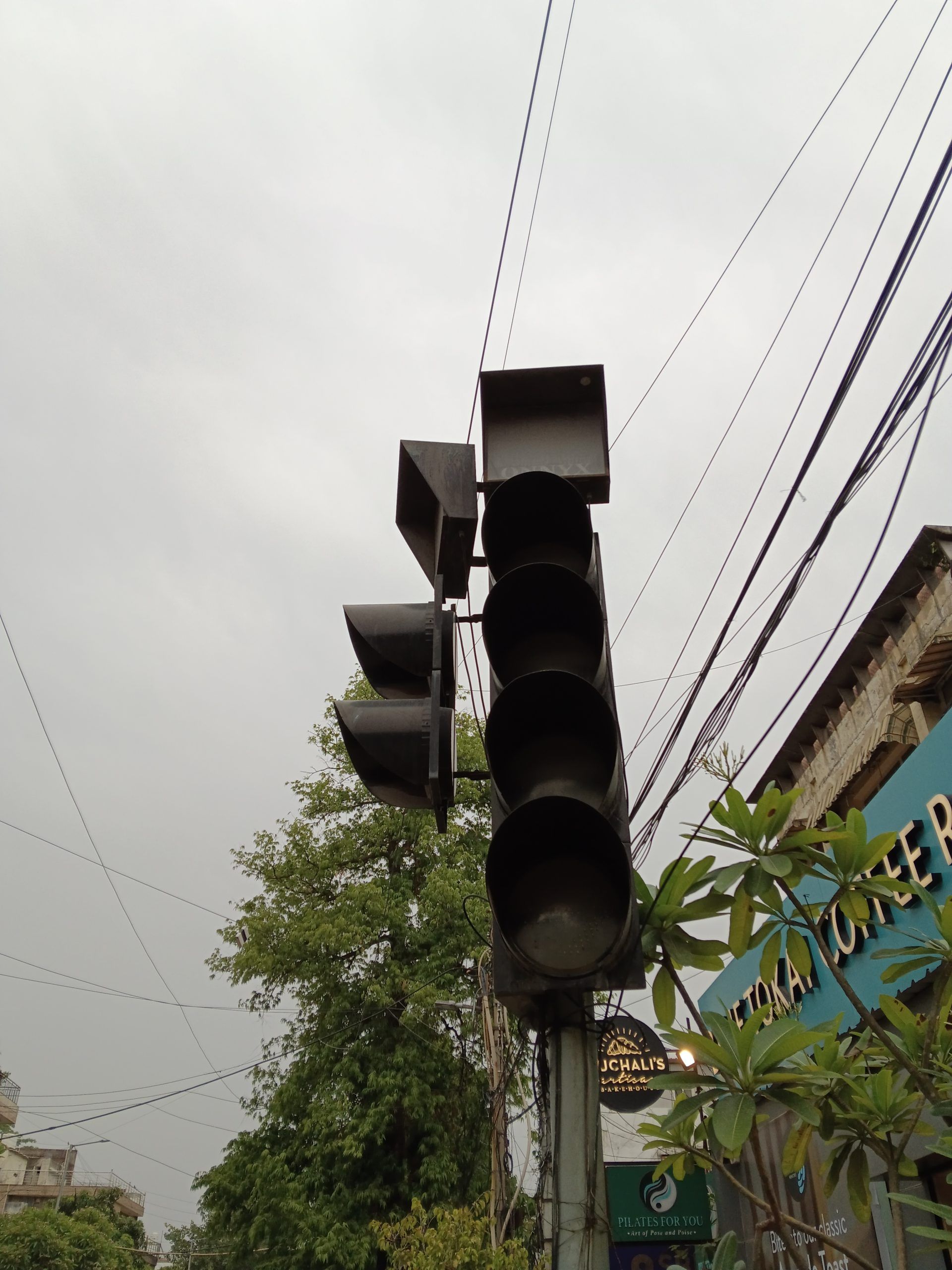
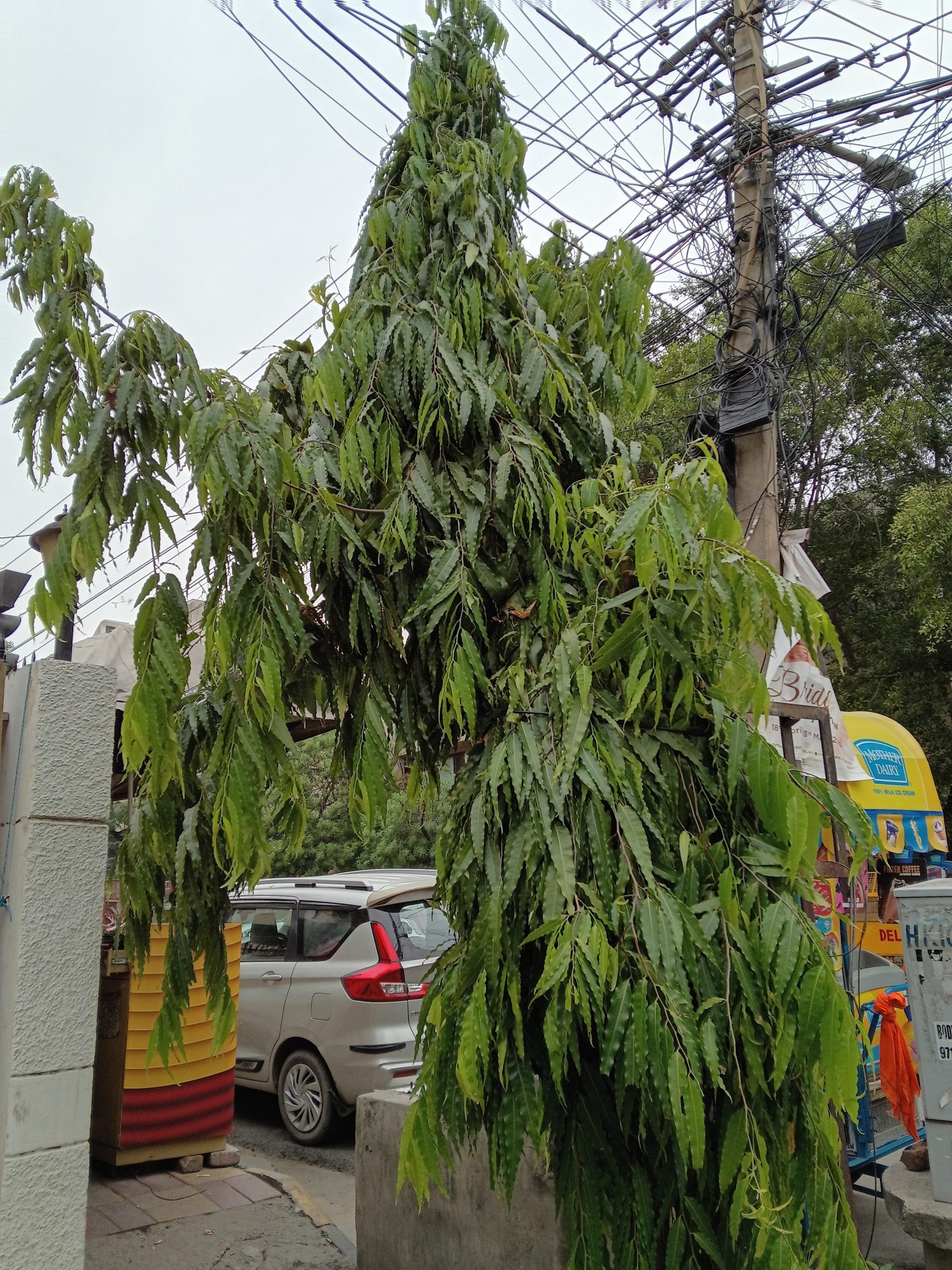



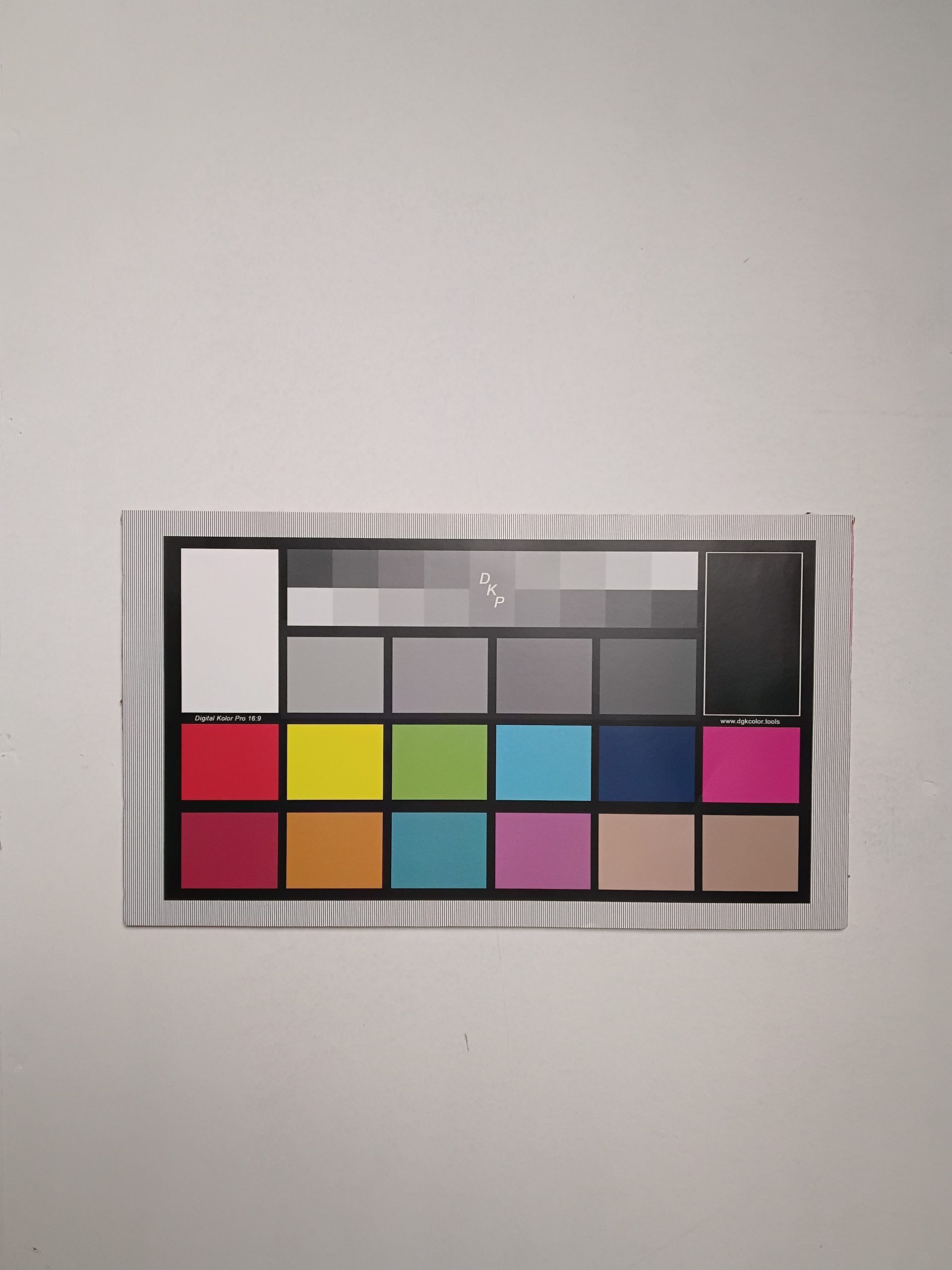
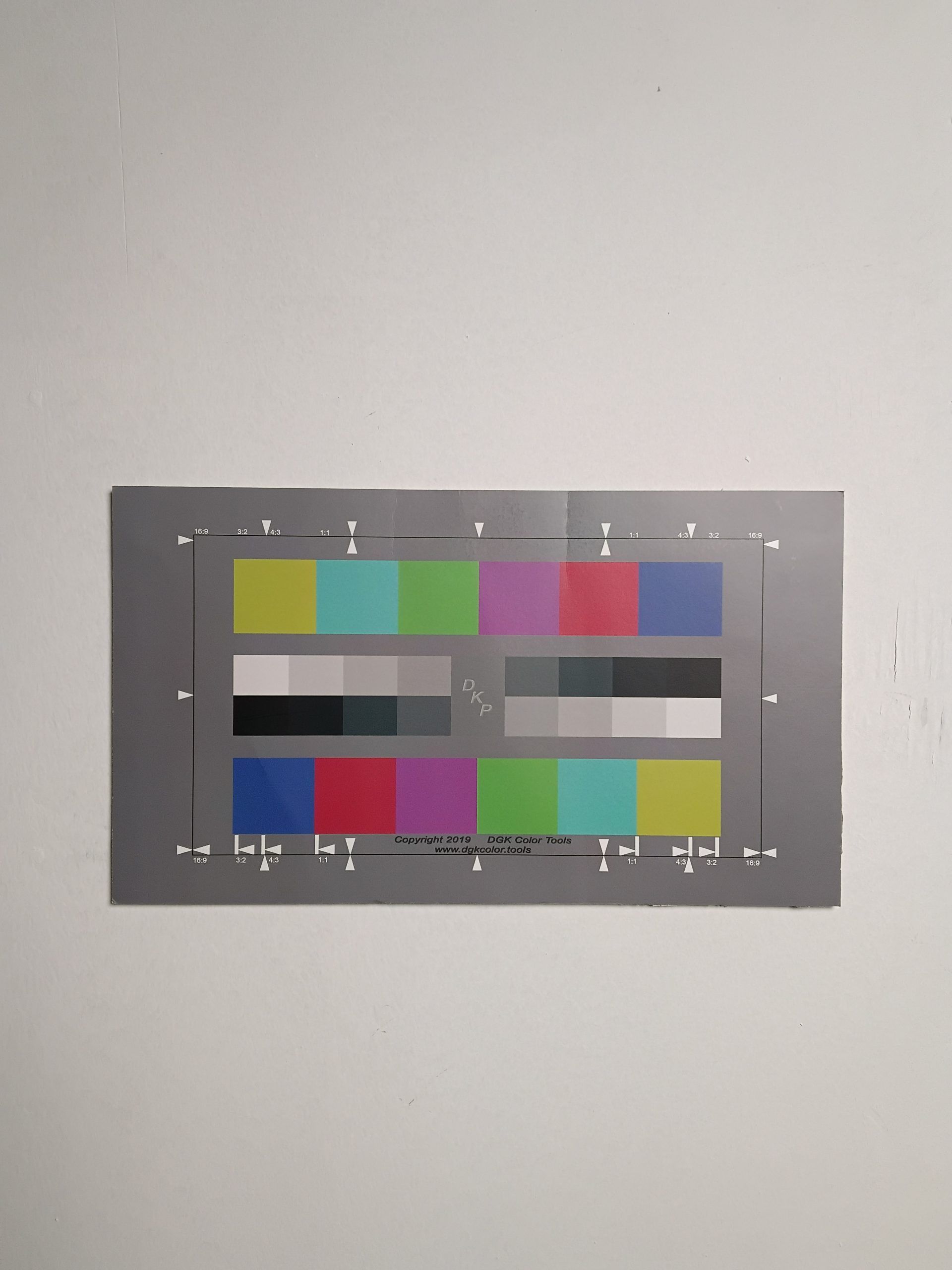
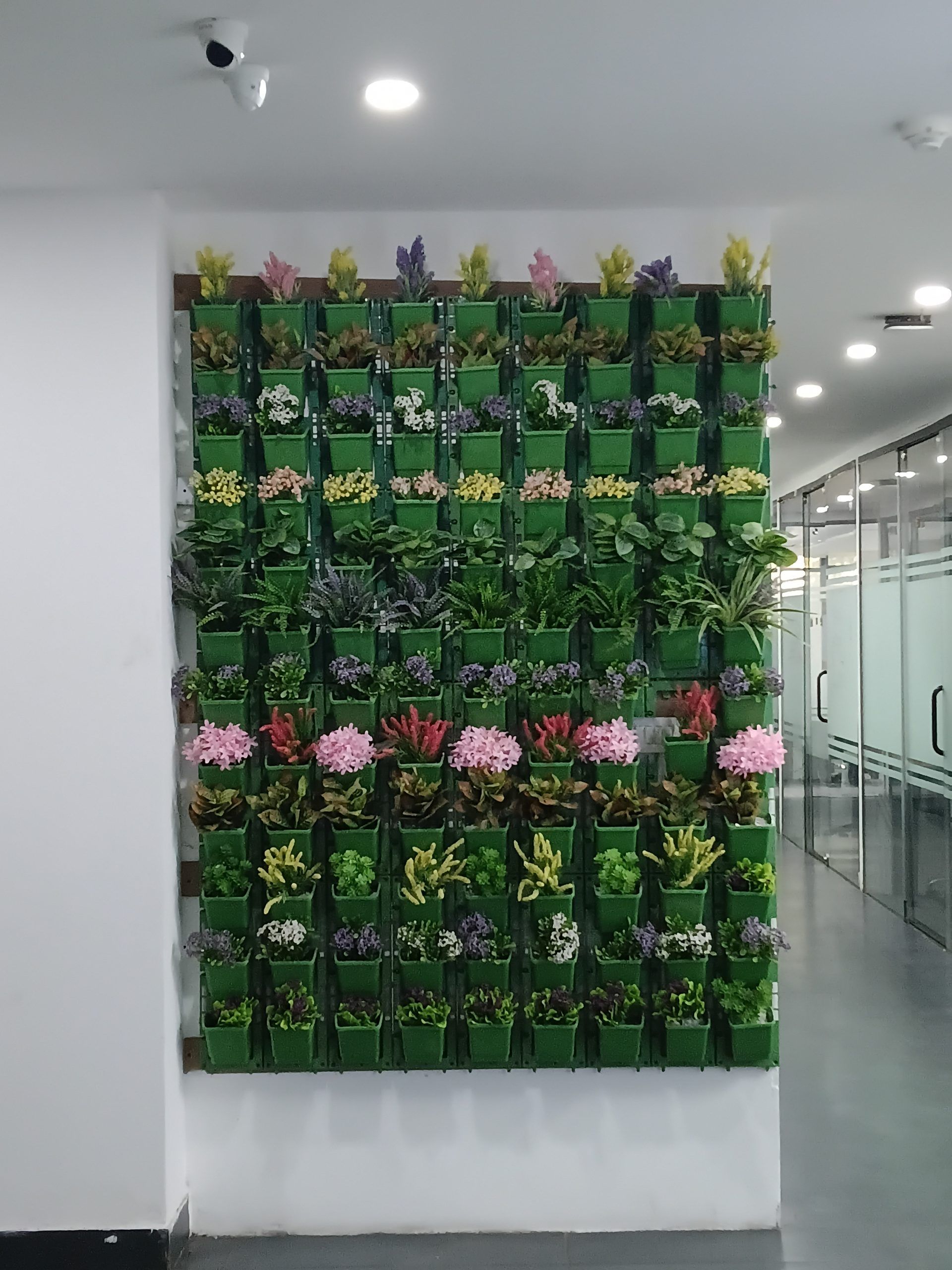
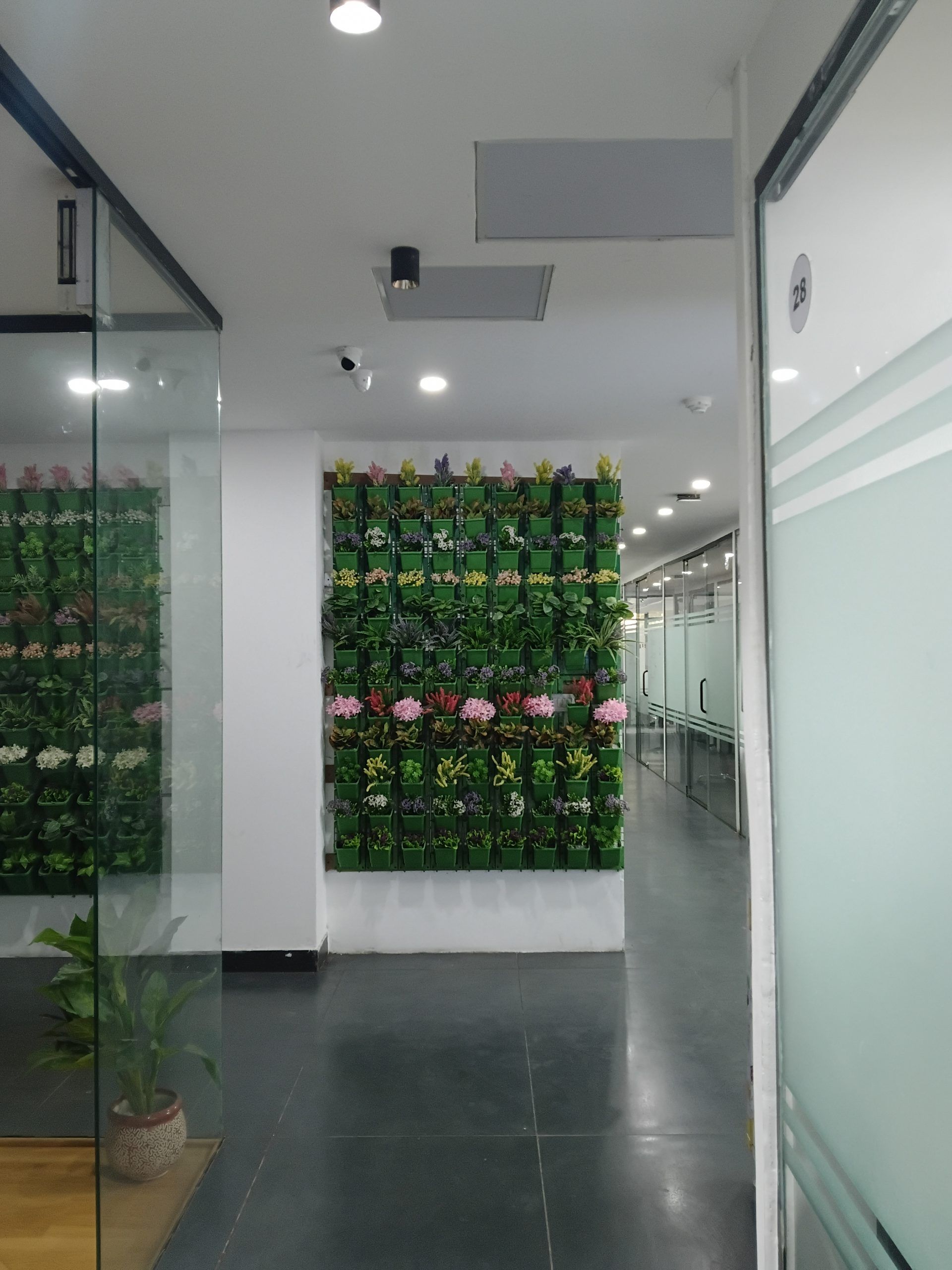


Low light is where the image quality starts slipping. Thankfully, it isn’t a dramatic collapse. Under dim artificial lighting, you can still get usable shots, but noise becomes more visible. Some images look like they have a grain filter over them, and the lack of proper stabilisation means you need steady hands.
The front camera is an 8MP shooter, and it does a decent job in good lighting. Selfies have enough detail for social media, and the warmer colour tone doesn’t push skin tones too far from reality. The video is more basic. The rear camera maxes out at 2K resolution at 30fps, and the output is exactly what you’d expect from a budget phone. It can look shaky, details are soft, and stabilisation is limited.
The overall photography experience is similar to other phones in this category. It doesn’t stand out, but it doesn’t completely fall apart either. The G37 Power gives you a usable main camera, and for this price, that may be enough for many buyers.
Software: Stock Android Makes Sense in the Budget Segment
Motorola’s Hello UI on top of Android 16 is still one of the closest experiences to vanilla Android right now. At first glance, it can feel a little barebones, especially compared to heavier skins like Realme UI, ColorOS, or HyperOS. But on a budget phone, that simplicity actually works in Motorola’s favour.
Budget phones usually don’t have a lot of processing headroom, and heavier custom skins can make them feel slower over time. The G37 Power benefits from Motorola’s lighter approach. The UI feels clean, familiar, and mostly consistent. It doesn’t have the deepest customisation options, but it also doesn’t overwhelm you with too much clutter.
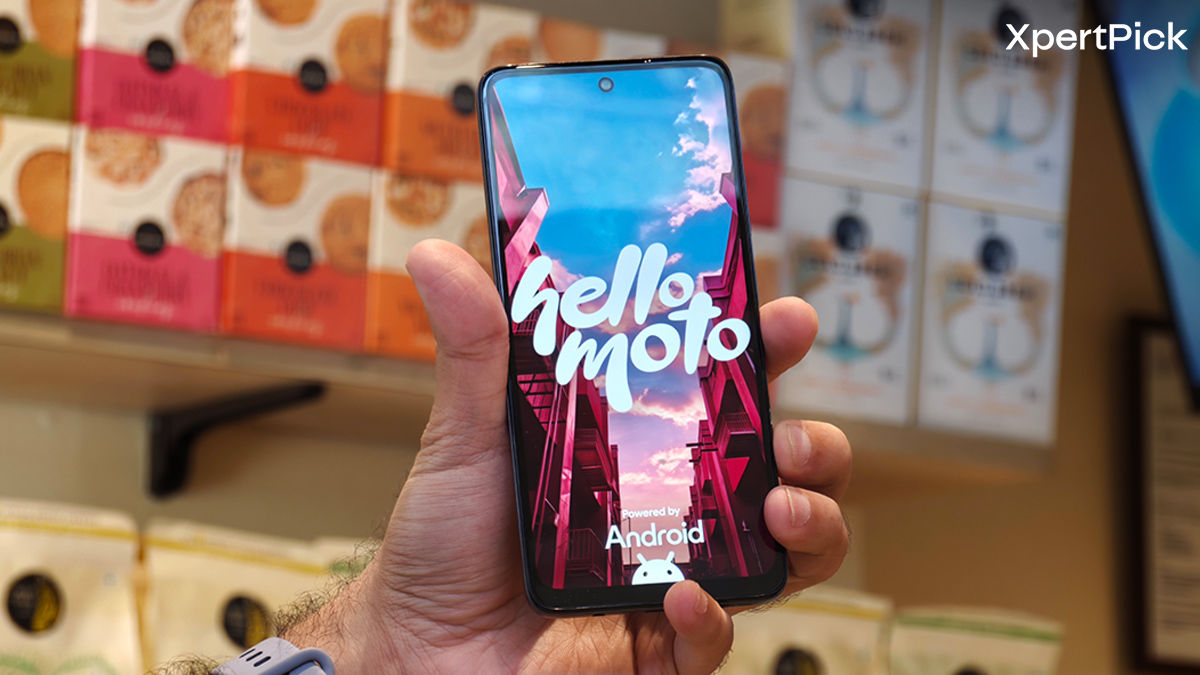
Motorola still adds a few useful extras. Moto Connect is the most interesting one, letting you run apps on a paired PC and move some of your phone workflow to a larger screen. It’s not something every buyer will use daily, but it is genuinely useful if you like working across devices.
There’s no major gap in features or software feel compared to other recent Motorola models. The only exception is Moto AI, but that was always designed to be more subtle and unintrusive, so the G37 Power doesn’t feel like it’s missing out on a major part of the experience.
The bigger advantage is how clean the phone feels out of the box. Compared to Realme and Oppo phones in this price range, Motorola’s software doesn’t feel as crowded with preloaded apps or promotional clutter. That alone makes the experience feel a little more refined, even if the UI itself is simpler.
Verdict
The Motorola G37 Power is a budget phone with a clear focus. At a starting price of Rs 15,999, it gives you a large battery, clean software, decent durability, smooth enough day-to-day performance, and a usable main camera. None of these areas feels truly special, but most of them are handled well enough for the price. The display is the biggest compromise, especially with its HD+ resolution, and the heavy body makes the phone feel less comfortable than it could have been. Battery life is reliable too, though not quite as impressive as the 7,000mAh number suggests.
So, should you buy the Motorola G37 Power? Yes, if you want a simple, dependable budget phone with clean software and strong enough endurance. Alternatives like the Oppo K14x may be more practical. Meanwhile, Infinix Note Edge edges ahead in style and display aspect. The Vivo T5x is the better choice if you want stronger performance, while Realme’s battery-focused phones push endurance even harder. The G37 Power doesn’t dominate the segment, but at Rs 15,999, it gets enough right to be a sensible buy for users who care more about basics than flash. With similarly spec-ed devices like the Realme 16T costing nearly twice as much, the G37 Power makes more sense in the value proposition.
Pros
- Clean and light Android experience
- Reliable battery life
- Decent everyday performance
- 120Hz refresh rate
Cons
- HD+ resolution feels limiting
- Heavy for a plastic phone
- Low-light photos and video are average