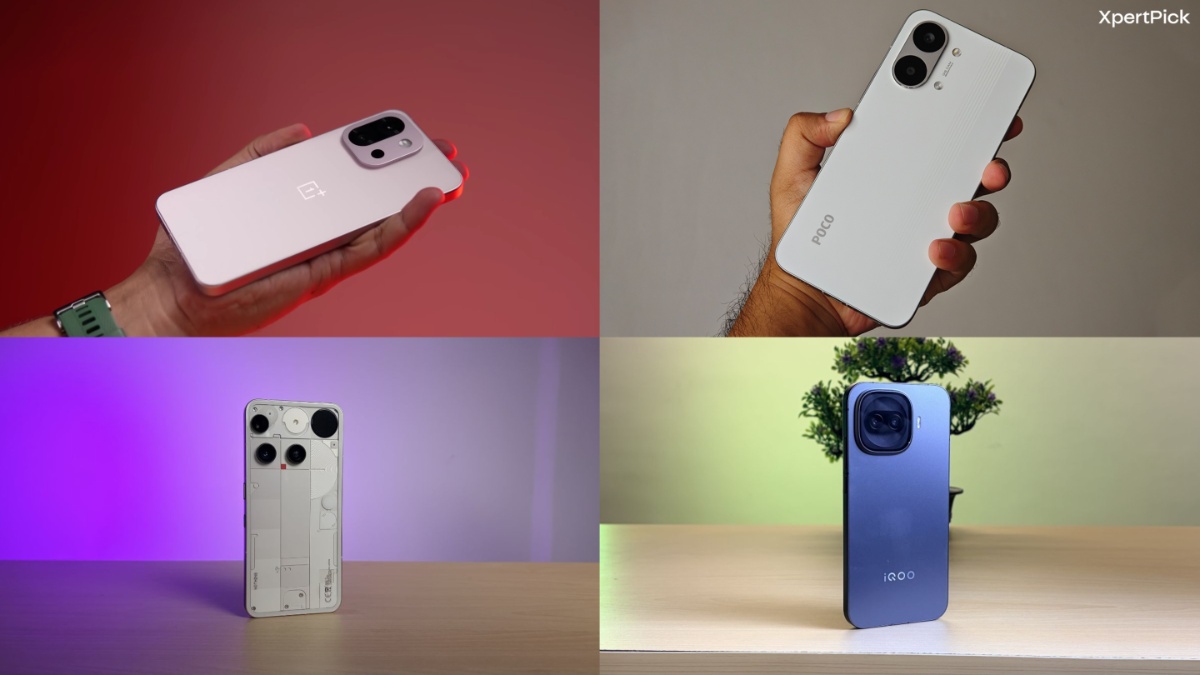
If you are stepping up to the ₹50,000 budget mark, expectations shift. You are no longer just looking for a “capable” phone; you are paying for flagship-tier processing, uncompromised frame rates, and the raw computational power needed to handle the heaviest workloads on the Play Store. We put the most popular devices in this premium segment to the test, evaluating AnTuTu benchmarks, thermal throttling logic, and actual real-world gameplay.
At this price point, phones are armed with elite silicon. However, benchmark numbers don’t always translate perfectly to smooth gameplay. Some phones are tuned to absolutely crush synthetic tests like Geekbench, only to suffer from severe frame-rate caps or aggressive thermal throttling when you actually boot up a heavy game. Buyers at this level deserve sustained, reliable performance that matches the hefty price tag.
In our lab comparison, the POCO X8 Pro Max proved to be an absolute monster, shattering records with a 2.8 million AnTuTu score and delivering the highest peak frame rates in BGMI. For buyers seeking unthrottled endurance, the Nothing Phone 3 emerged as a massive surprise, offering the best sustained CPU performance and matching the POCO in high-refresh e-sports fluidity.
If raw computational and multitasking power is your priority, the OnePlus 13s dominated our Geekbench charts, making it the top choice for heavy CPU-bound tasks, despite its software limiting gaming frame rates. Finally, the iQOO 15R carved out its spot as the ultimate thermal champion, boasting the highest graphical stability for long, uninterrupted gaming sessions.
Phones That Stood Out in Our Testing
-
POCO X8 Pro Max (₹44,999) – Best Overall Performance and Peak E-Sports Frames
-
OnePlus 13s (₹51,365) – Best for Synthetic Geekbench Scores and Heavy CPU Workloads
-
Nothing Phone 3 (₹42,999) – Best Value for Money and Sustained CPU Performance
-
iQOO 15R (₹46,999) – Best 3DMark Thermal Stability
Key Specs and Hardware Overview
| Key Specifications | POCO X8 Pro Max | OnePlus 13s | Nothing Phone 3 | iQOO 15R |
| Price | ₹44,999 | ₹51,365 | ₹42,999 | ₹46,999 |
| Best For | Peak E-Sports Gaming & Raw GPU Power | High-End CPU Workloads | Best Value for Money and Sustained CPU Performance | Graphical Thermal Stability |
| Battery Capacity | 8,500mAh | 5,850mAh | 5,150mAh | 7,600mAh |
| Charging Speed | 100W | 80W | 65W | 100W |
| Processor | MediaTek Dimensity 9500s | Snapdragon 8 Elite | Snapdragon 8s Gen 4 | Snapdragon 8 Gen 5 |
| RAM | 12GB | 12GB | 12GB / 16GB | 8GB / 12GB |
| Storage | 256GB / 512GB | 256GB / 512GB | 256GB / 512GB | 256GB / 512GB |
| Display | AMOLED, 120Hz | AMOLED, 120Hz | AMOLED, 120Hz | AMOLED, 144Hz |
POCO X8 Pro Max – Best Overall Performance and Peak E-Sports Frames
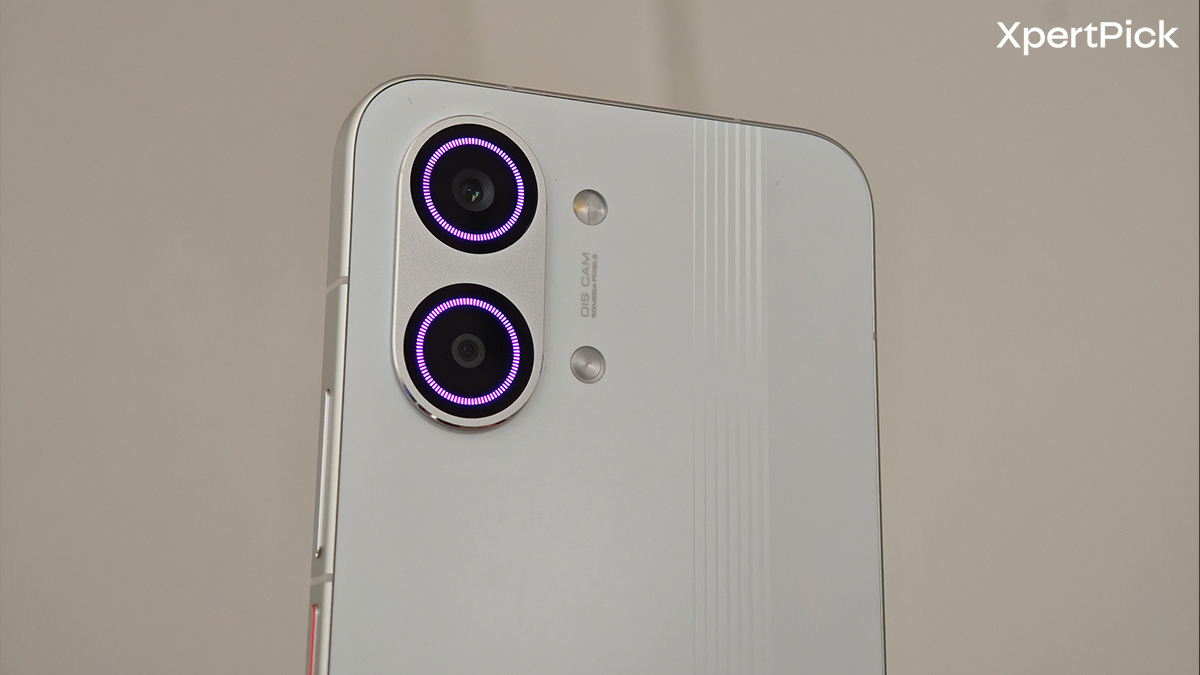
The POCO X8 Pro Max is the undisputed king of raw horsepower in this lineup. It generated a staggering 2,801,896 AnTuTu overall score, completely blowing past its competitors. Its Geekbench GPU score of 19,544 proves it has the graphical muscles to handle absolutely anything you throw at it.
Where this phone truly shines is in its real-world gaming translation. It clocked an absurd 118.6 Average FPS in BGMI on the lowest graphics. More importantly, its 5% Low FPS never dipped below 112.9 FPS, making it the smoothest, most responsive device for competitive shooters on this list. The only downside is its thermal management; under the grueling 3DMark Extreme stress test, it dropped to a 60% stability rating, meaning it uses a “brute force” logic to power through heat rather than efficiently cooling down.
POCO X8 Pro Max XP Lab Data
- AnTuTu Overall Score: 2,801,896
- Geekbench 6: 2,650 (Single-Core) / 8,458 (Multi-Core)
- Geekbench GPU Score: 19,544
- 3DMark Wild Life Extreme Score: 6,168
- CPU Throttling Test Stability: 77%
- 3DMark Stress Test Stability: 60%
- BGMI Performance (Lowest Graphics): 118.6 Average FPS / 112.9 5% Low FPS
- Minecraft Performance (Highest Graphics): 59.8 Average FPS / 52.5 5% Low FPS
POCO X8 Pro Max Pros & Cons
-
Pros: Unrivaled raw processing power with a 2.8M AnTuTu score. Delivers near-perfect 120 FPS gaming in BGMI with incredibly high 5% lows, eliminating micro-stutters.
-
Cons: Struggles with long-term thermal efficiency, dropping to 60% graphical stability under sustained 3DMark stress testing.
OnePlus 13s – Best for Synthetic Geekbench Scores and Heavy CPU Workloads
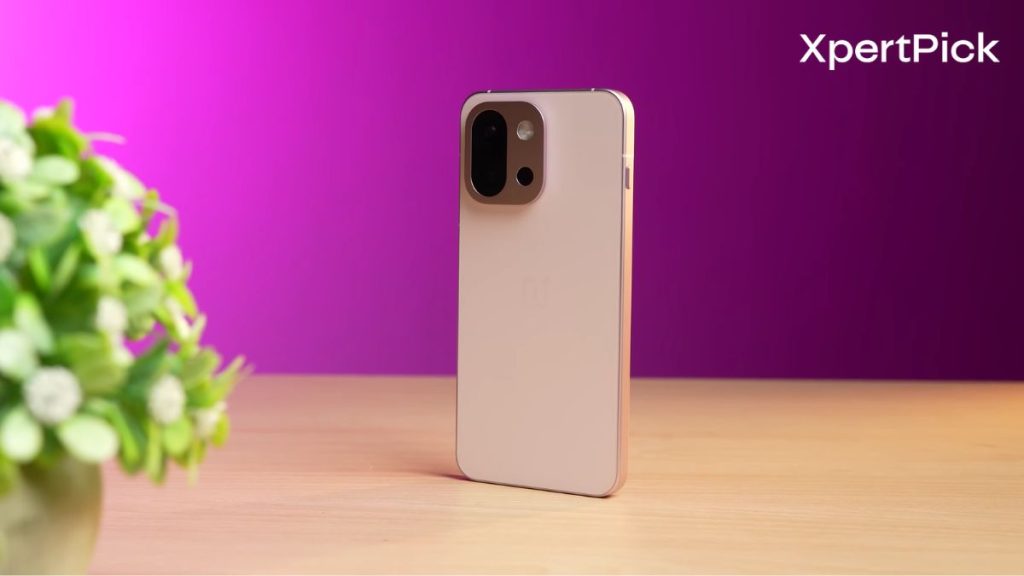
Priced slightly above the ₹50,000 mark at ₹51,365, the OnePlus 13s leans heavily into its premium Snapdragon 8 Elite silicon. It dominated our CPU benchmarks, achieving the highest Geekbench Multi-core score of 8,665 and a Single-core score of 2,900. If you are a power user who constantly multitasks, edits photos, or runs heavy productivity apps, this processor is lightning-fast.
However, its gaming narrative is heavily bottlenecked by software optimisation. Despite possessing flagship hardware, it capped out at just 58.3 Average FPS in BGMI and suffered terrible 5% Lows that tanked to 30.6 FPS. Furthermore, it recorded aggressive CPU throttling under stress to manage its internal temperatures, which peaked at 43.3°C. It’s a stellar productivity phone, but an unoptimised choice for e-sports.
OnePlus 13s XP Lab Data
- AnTuTu Overall Score: 2,470,359
- Geekbench 6: 2,900 (Single-Core) / 8,665 (Multi-Core)
- Geekbench GPU Score: 17,789
- 3DMark Wild Life Extreme Score: 6,066
- 3DMark Stress Test Stability: 68.1%
- CPU Throttling Test Stability: 56%
- BGMI Performance (Lowest Graphics): 58.3 Average FPS / 30.6 5% Low FPS
- Minecraft Performance (Highest Graphics): 59.2 Average FPS / 54.4 5% Low FPS
OnePlus 13s Pros & Cons
-
Pros: Houses an incredibly powerful CPU, delivering the highest Geekbench Multi-core and Single-core scores in the group for productivity and multitasking.
-
Cons: Software heavily restricts gaming performance, capping BGMI under 60 FPS and suffering from massive frame drops (30.6 FPS 5% Lows).
Nothing Phone 3 – Best Value for Money and Sustained CPU Performance
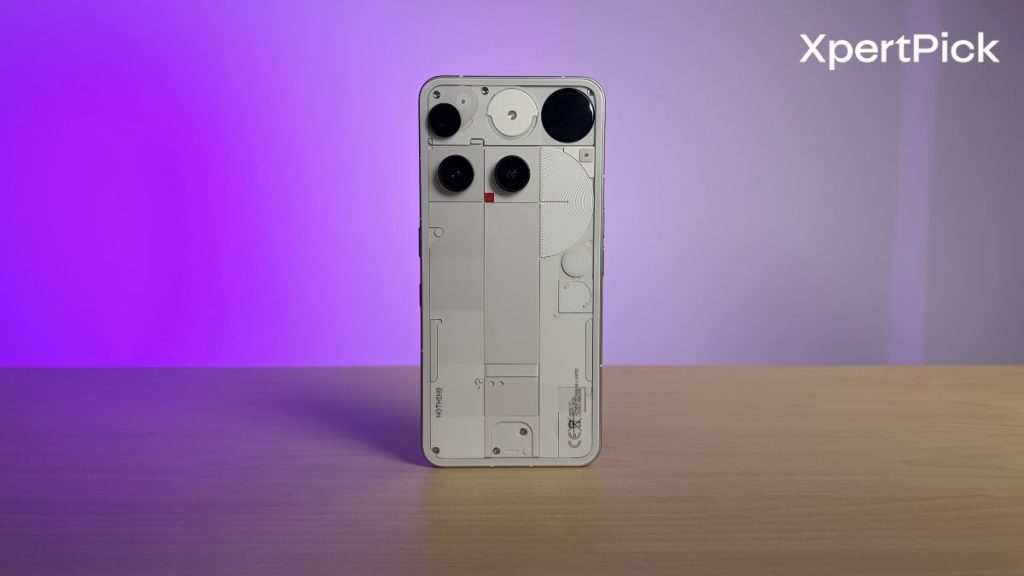
The Nothing Phone 3 is the sleeper hit of this budget segment. While its AnTuTu score of 2,372,487 places it near the bottom of this specific heavy-hitting group, its real-world performance tuning is phenomenal. It dominated the CPU Throttling test, retaining a massive 84% of its peak performance under sustained load.
Because it doesn’t aggressively choke its processor to handle heat, it translates beautifully into e-sports titles. It practically matched the POCO, delivering an exceptional 117.5 Average FPS in BGMI with highly reliable 109.6 FPS 5% Lows. If you want a phone that marries unique aesthetics with heavily sustained, unthrottled gaming fluidity, the Nothing Phone 3 punches well above the competition here.
Nothing Phone 3 XP Lab Data
- AnTuTu Overall Score: 2,372,487
- Geekbench 6: 2,090 (Single-Core) / 6,769 (Multi-Core)
- Geekbench GPU Score: 13,584
- 3DMark Wild Life Extreme Score: 4,469
- 3DMark Stress Test Stability: 65.7%
- CPU Throttling Test Stability: 84%
- BGMI Performance (Lowest Graphics): 117.5 Average FPS / 109.6 5% Low FPS
- Minecraft Performance (Highest Graphics): 42.7 Average FPS / 28.7 5% Low FPS
Nothing Phone 3 Pros & Cons
-
Pros: Best-in-class CPU sustained performance of 84% prevents mid-game throttling. Outputs a highly consistent, e-sports-ready 117.5 FPS in BGMI.
-
Cons: Weaker raw GPU performance causes it to struggle with heavier, unoptimized graphical workloads, dropping to 28.7 FPS 5% Lows in maximum-setting Minecraft.
iQOO 15R – Best 3DMark Thermal Stability
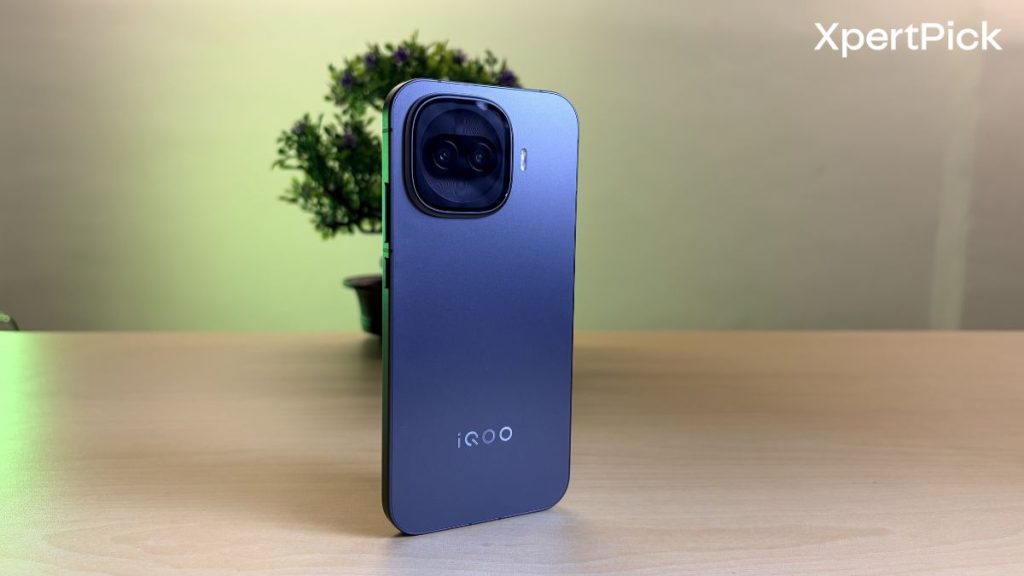
The iQOO 15R strikes a perfect balance between high-end processing and top-tier thermal management. It outputted a highly respectable Geekbench Multi-core score of 8,943 and an impressive GPU rating of 17,279.
But where the iQOO 15R earns its specific title is in the 3DMark Extreme stress test. It achieved a fantastic 85.5% stability score, making it the most thermally consistent device on this list when pushing heavy graphics over a long period. In BGMI, it locks in a rock-solid 89.7 Average FPS alongside an 81.8 FPS 5% Low. It doesn’t quite reach the 120 FPS heights of the POCO or Nothing Phone, but it provides the most stable, reliably cool 90 FPS gaming experience without breaking a sweat.
iQOO 15R XP Lab Data
- AnTuTu Overall Score: 2,355,785
- Geekbench 6: 2,803 (Single-Core) / 8,943 (Multi-Core)
- Geekbench GPU Score: 17,279
- 3DMark Wild Life Extreme Score: 3,369
- 3DMark Stress Test Stability: 85.5%
- CPU Throttling Test Stability: 64%
- BGMI Performance (Lowest Graphics): 89.7 Average FPS / 81.8 5% Low FPS
- Minecraft Performance (Highest Graphics): 58.9 Average FPS / 53.3 5% Low FPS
iQOO 15R Pros & Cons
-
Pros: Unmatched thermal consistency with an 85.5% 3DMark stability rating. Delivers an incredibly reliable, stutter-free 90 FPS experience in heavy shooters like BGMI.
-
Cons: Does not unlock the 120 FPS performance tier for BGMI, keeping its ceiling lower than the POCO and Nothing Phone.
Frequently Asked Questions (FAQs)
Which is the best gaming phone under ₹50,000 in India for BGMI 120 FPS?
The POCO X8 Pro Max is the top choice, delivering an incredibly stable 118.6 Average FPS with 112.9 5% Lows in BGMI. For a budget alternative, the Nothing Phone 3 at ₹42,999 is exceptional, pushing a near-identical 117.5 FPS.
Does the OnePlus 13s overheat during heavy gaming?
Yes. Despite its powerful Snapdragon 8 Elite chip, it aggressively throttles to manage heat in Indian climates. It capped BGMI at under 60 FPS and suffered severe frame drops (down to 30.6 FPS 5% Lows) during our thermal stress tests.
Which smartphone under ₹50,000 has the best thermal cooling for long gaming sessions?
The iQOO 15R is the top choice for sustained gaming performance. It boasts an unmatched 85.5% 3DMark stability score, backed by a highly effective cooling system that delivers a rock-solid 89.7 Average FPS with 81.8 5% Lows in BGMI during extended gaming sessions.
Is the Nothing Phone 3 worth buying for gaming under ₹45,000?
Absolutely. It’s the best value-for-money gaming phone under ₹45,000 in India. It retains a massive 84% of its CPU power under heavy throttling tests and runs BGMI at a flawless 117.5 FPS without aggressive overheating.
POCO X8 Pro Max vs OnePlus 13s: Which is better for heavy workloads?
It depends on the task. For graphics and heavy gaming such as BGMI and Genshin Impact, the POCO X8 Pro Max wins easily with its massive GPU capabilities. For CPU-bound tasks such as multitasking and video rendering, the OnePlus 13s dominates thanks to its elite Snapdragon 8 Elite processor.